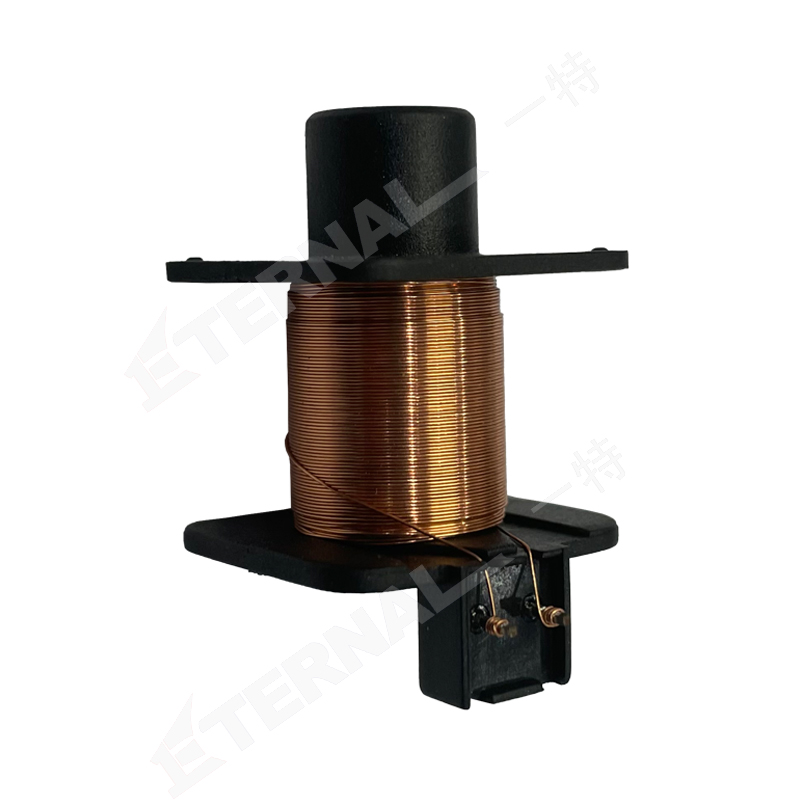
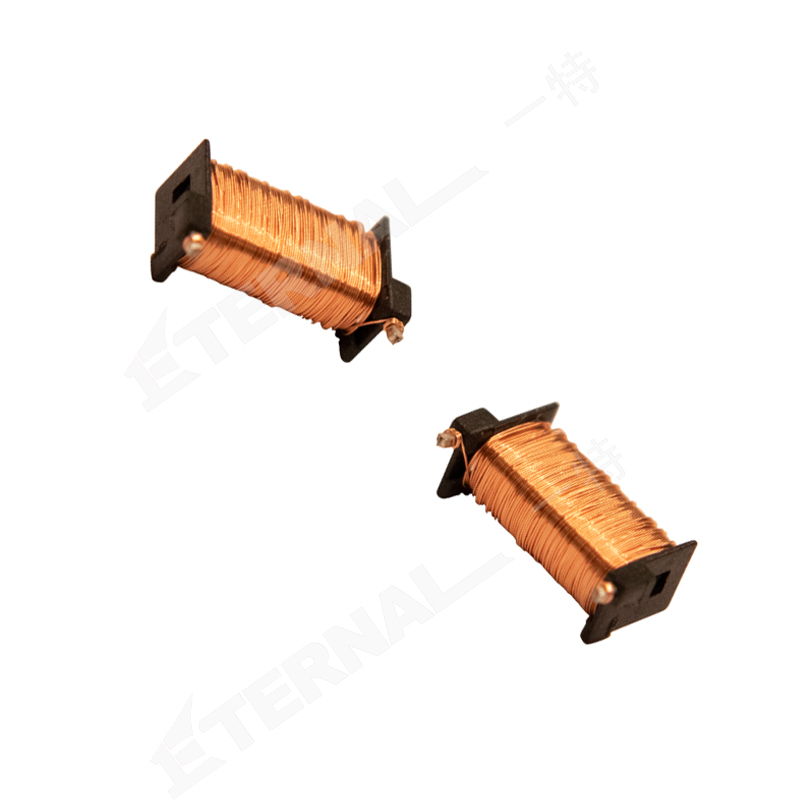
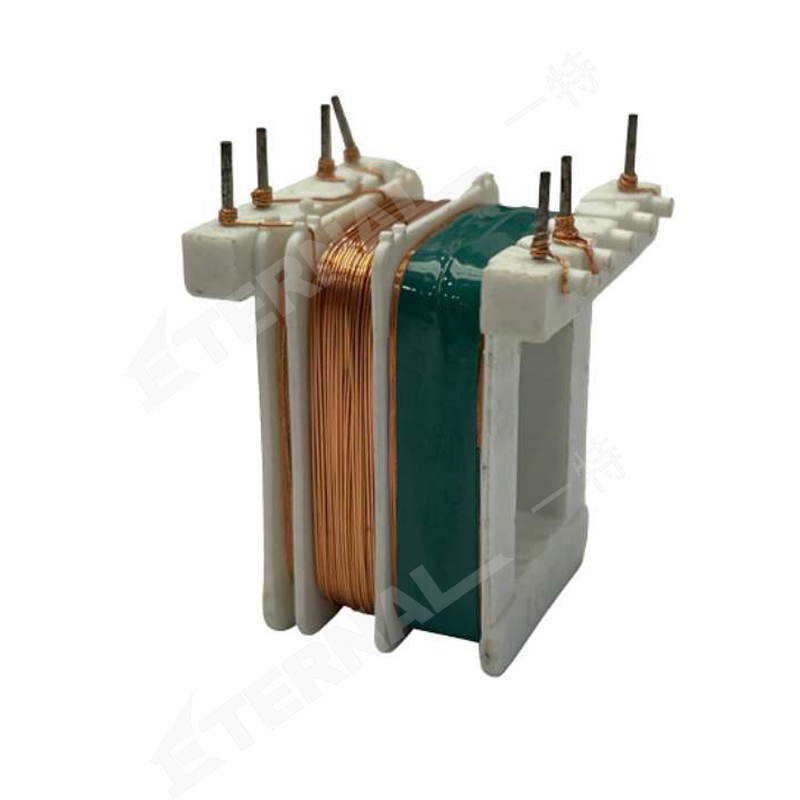
Drone Motor Coil (UAV Motor Coil)
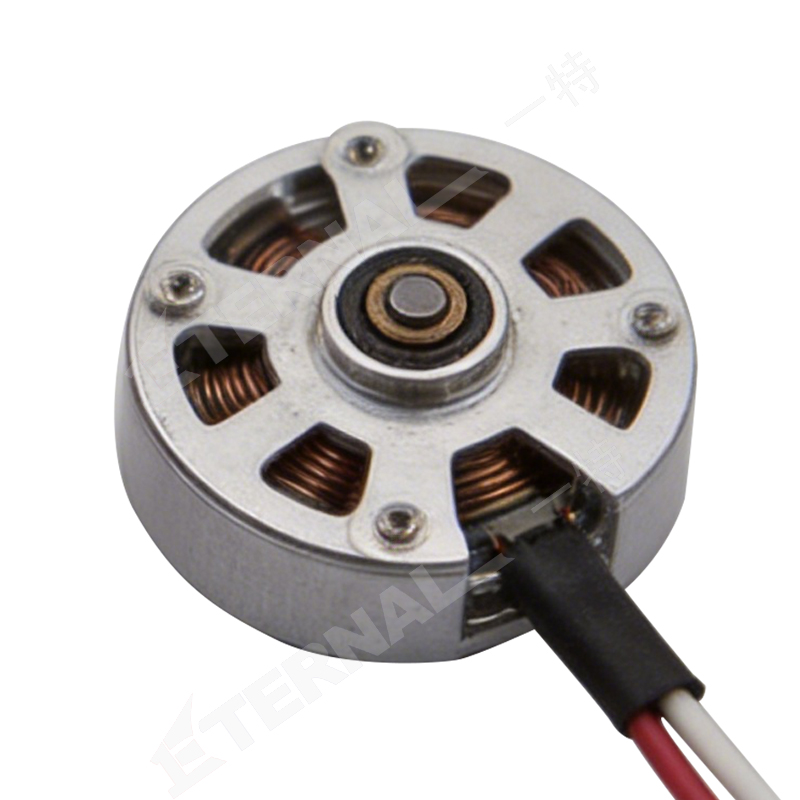
As the stator winding of drone brushless motors, it generates a rotating magnetic field via three-phase AC to drive the rotor at high speed, providing lift and attitude control force for the aircraft. Consumer-grade drones set extremely high requirements for motor coils: compact size, light weight, high efficiency and fast response.
The coils usually adopt multi-strand parallel winding (Litz wire) or single-strand enameled wire, wound in stator slots with various slot-pole combinations. The winding process demands high slot fill rate (to boost power density), reliable inter-turn insulation (to prevent high-voltage breakdown) and balanced three-phase resistance (to ensure zero jitter). The coils must withstand high current and high-frequency PWM driving, while maintaining excellent heat dissipation performance.
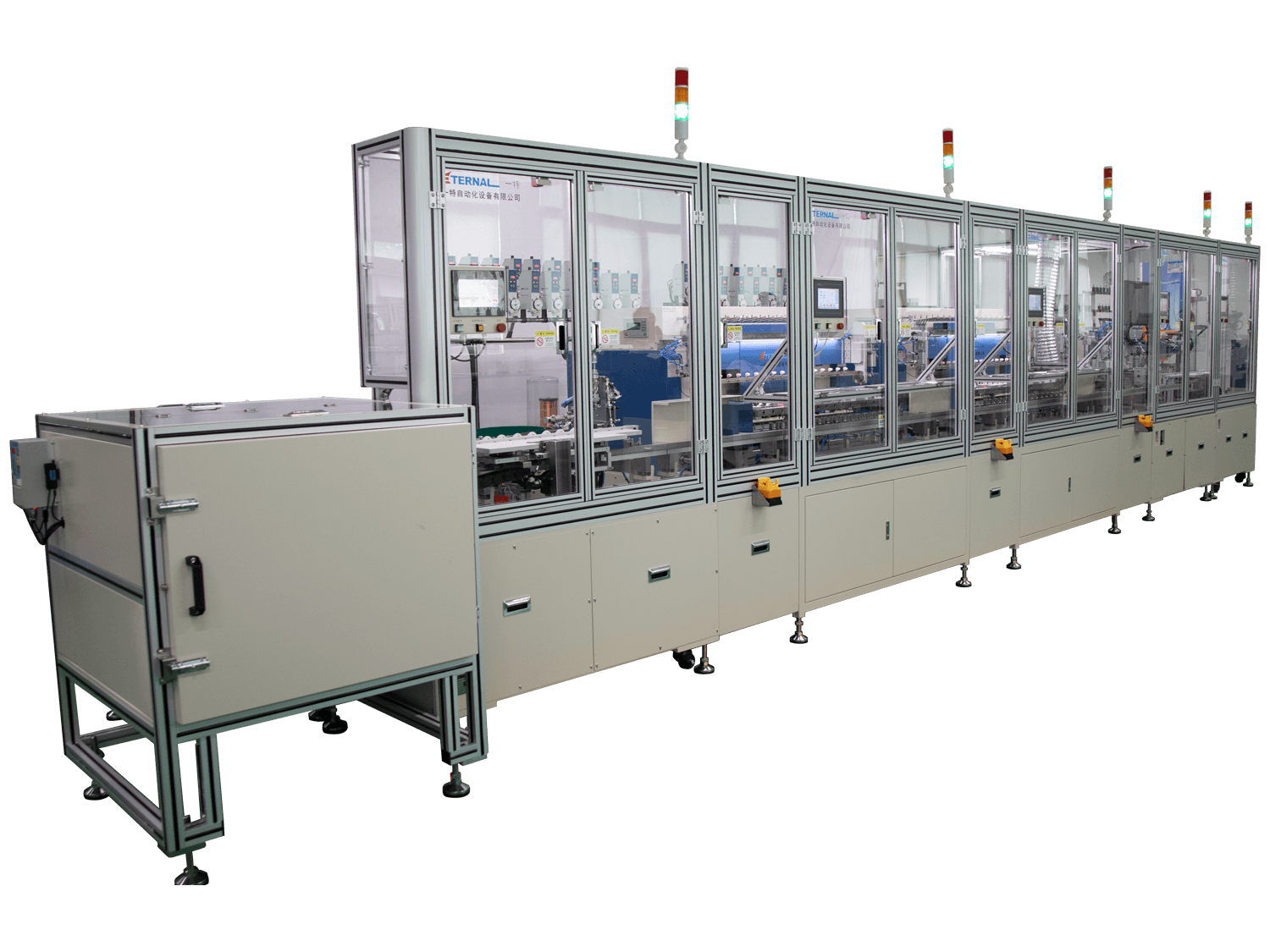
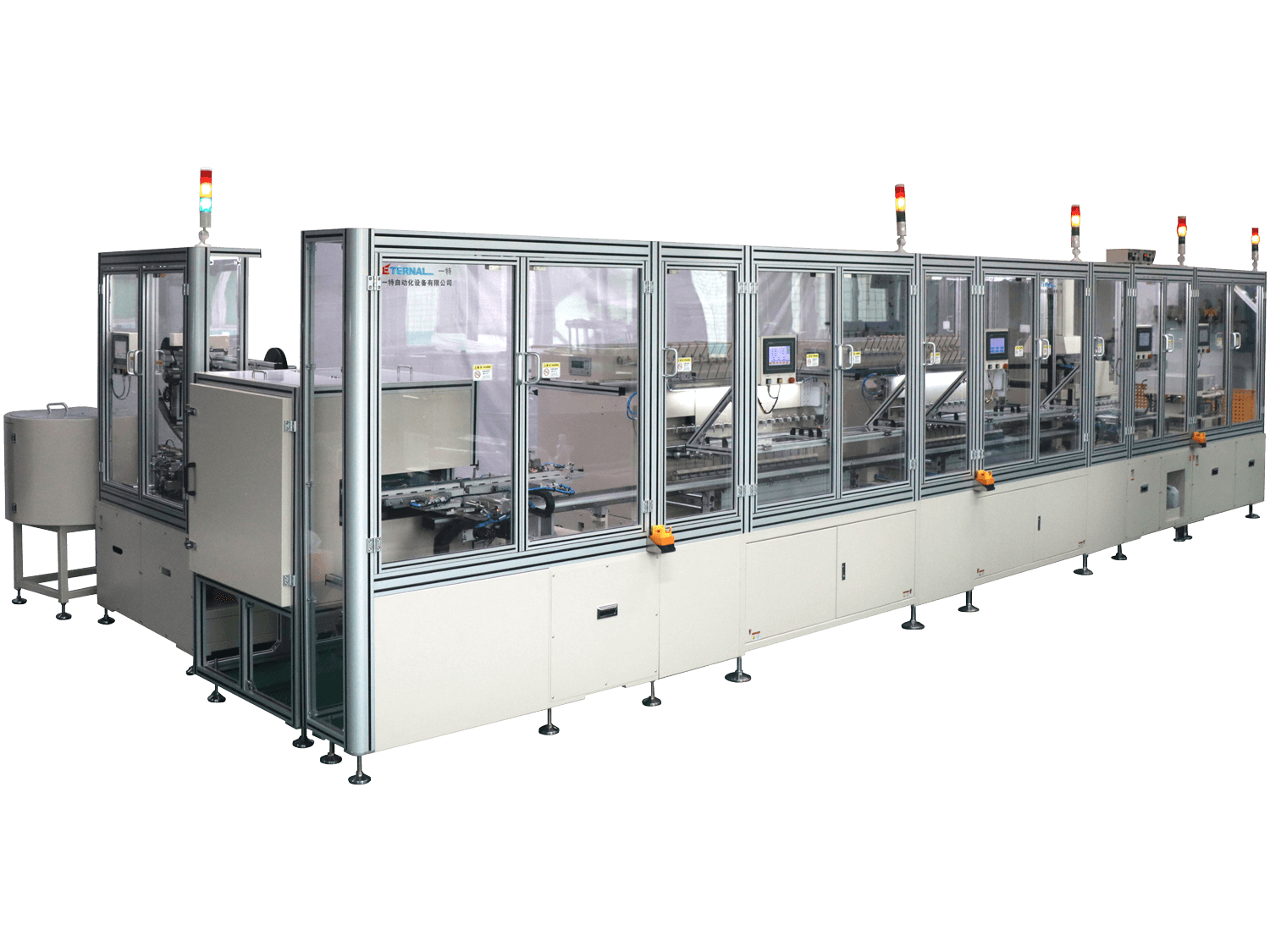
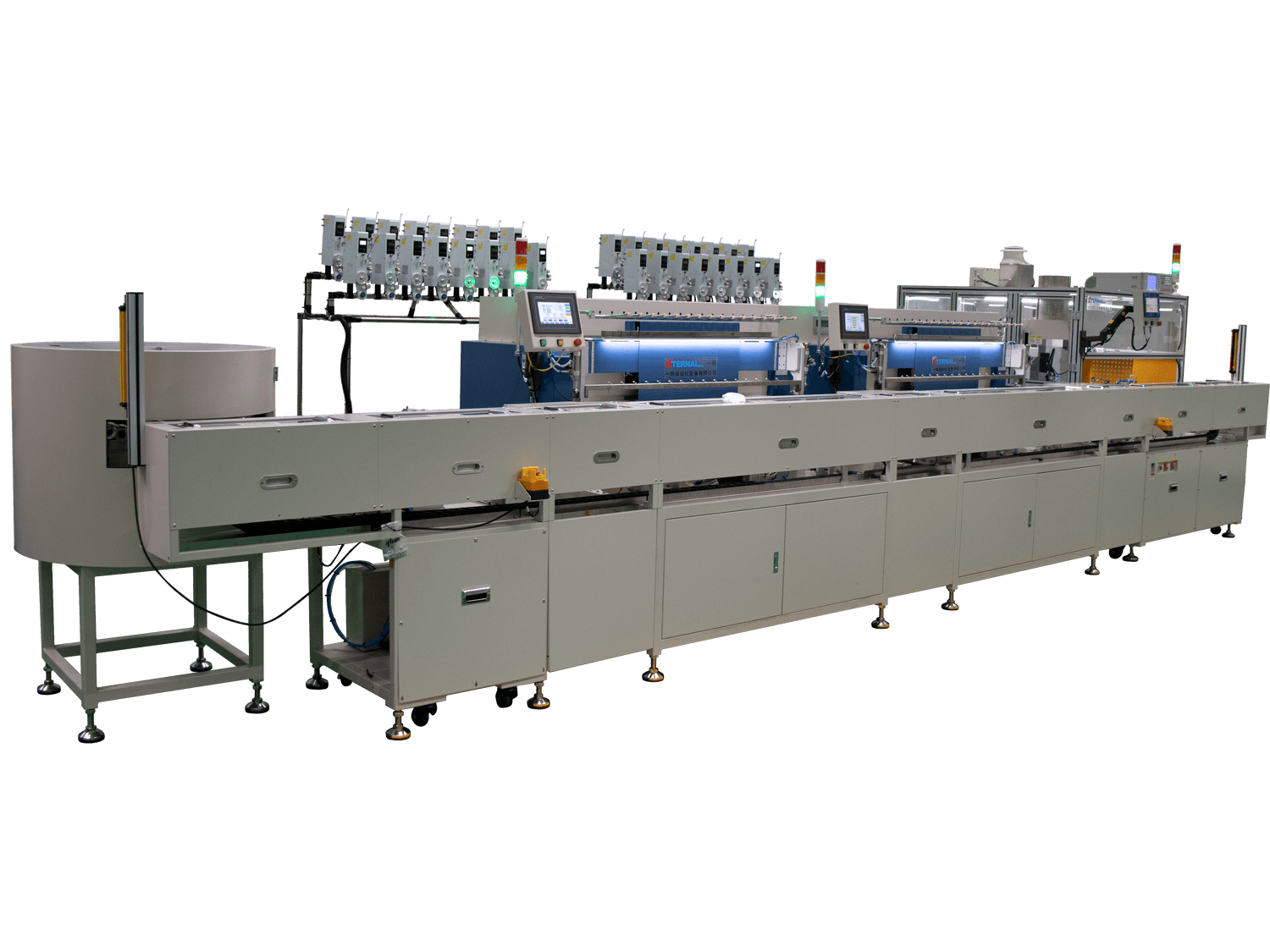
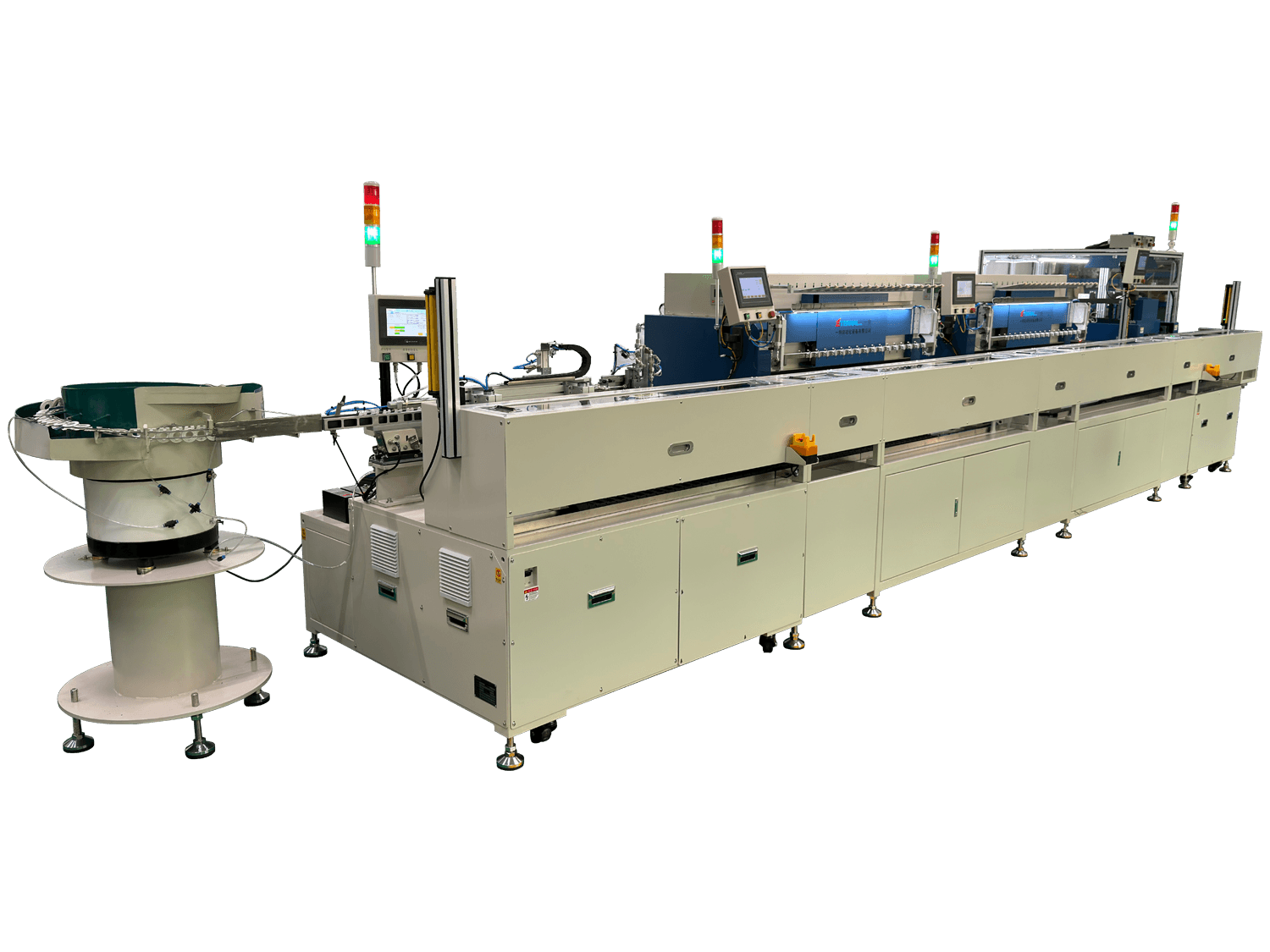
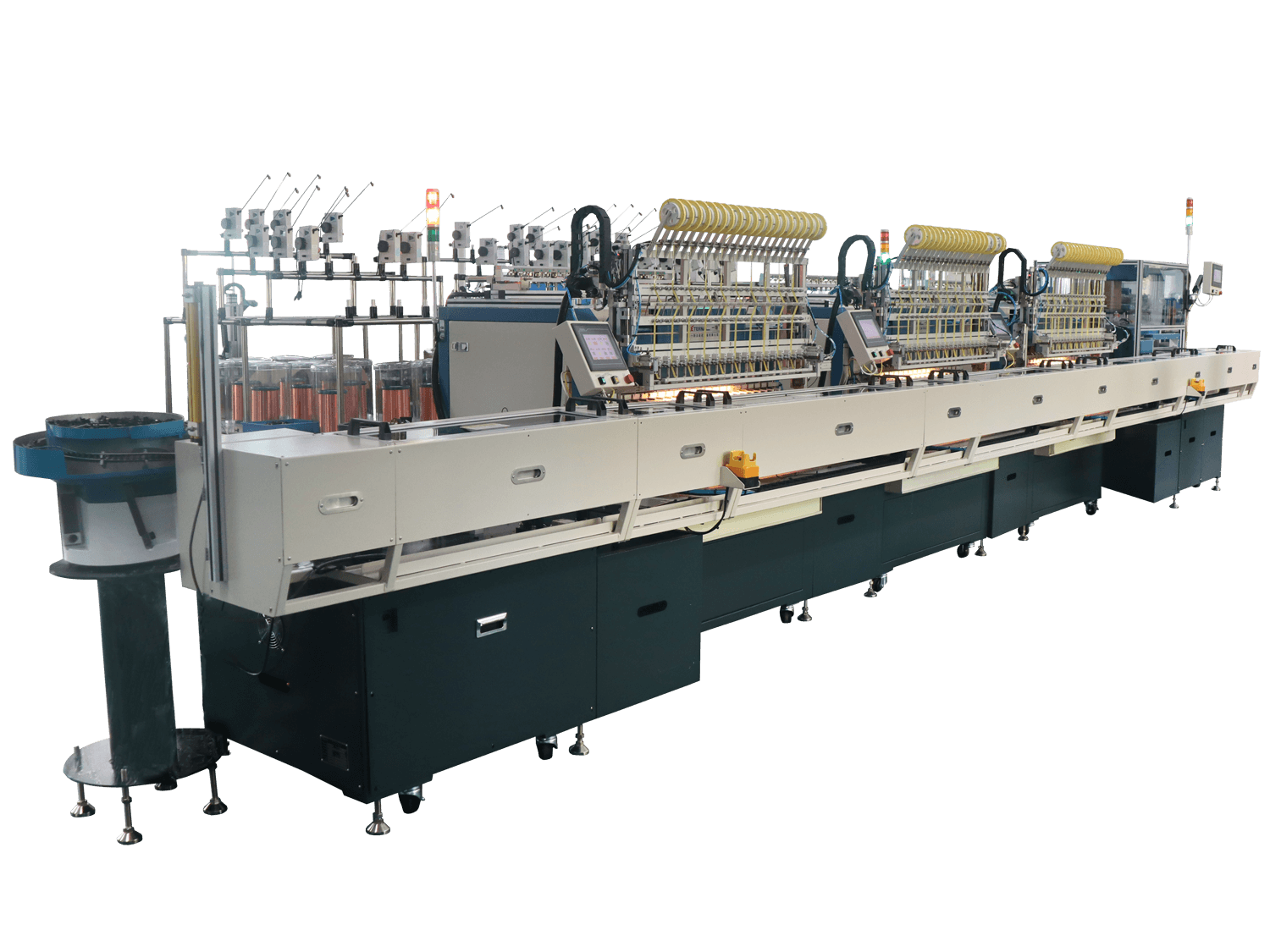
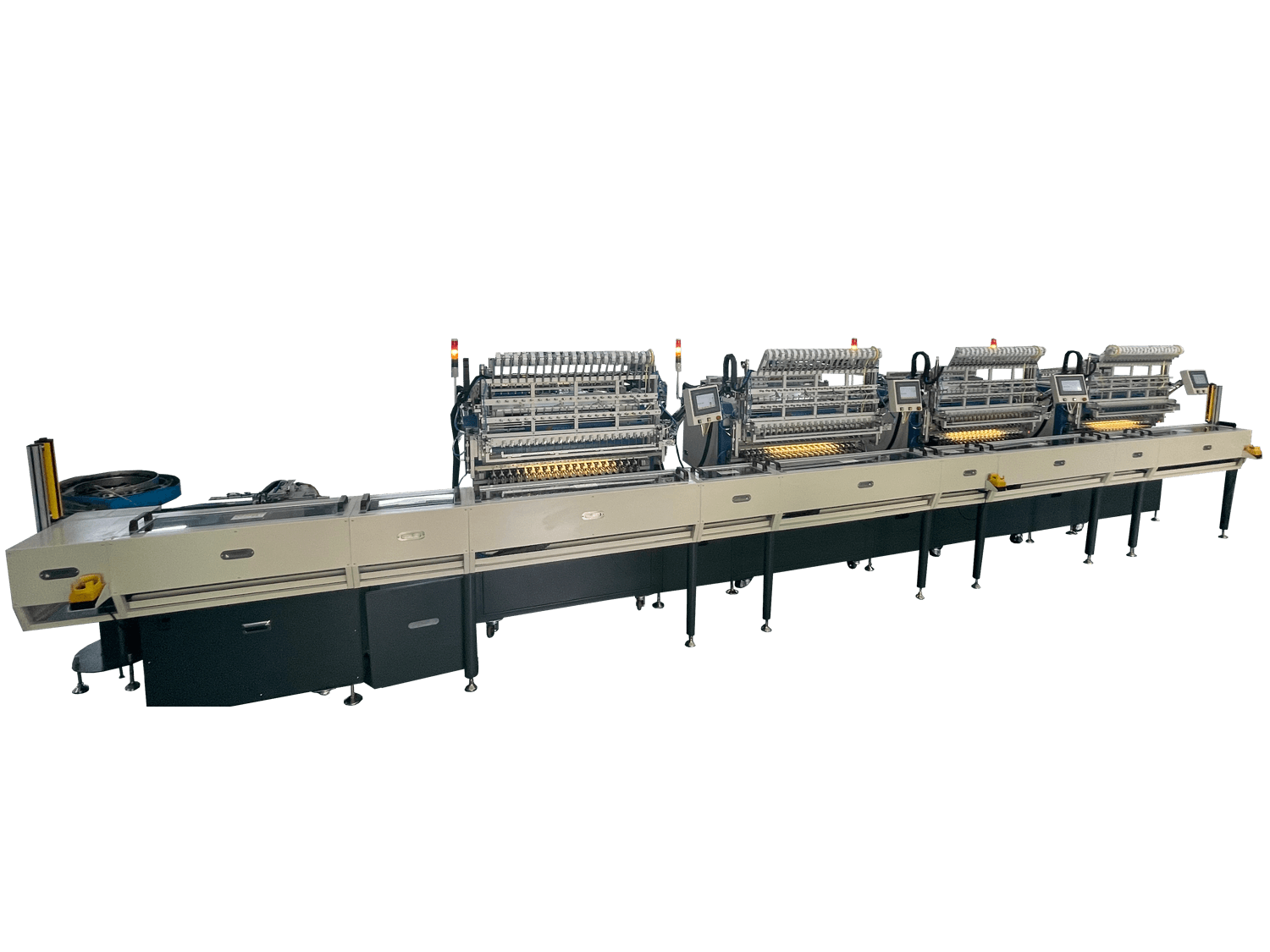
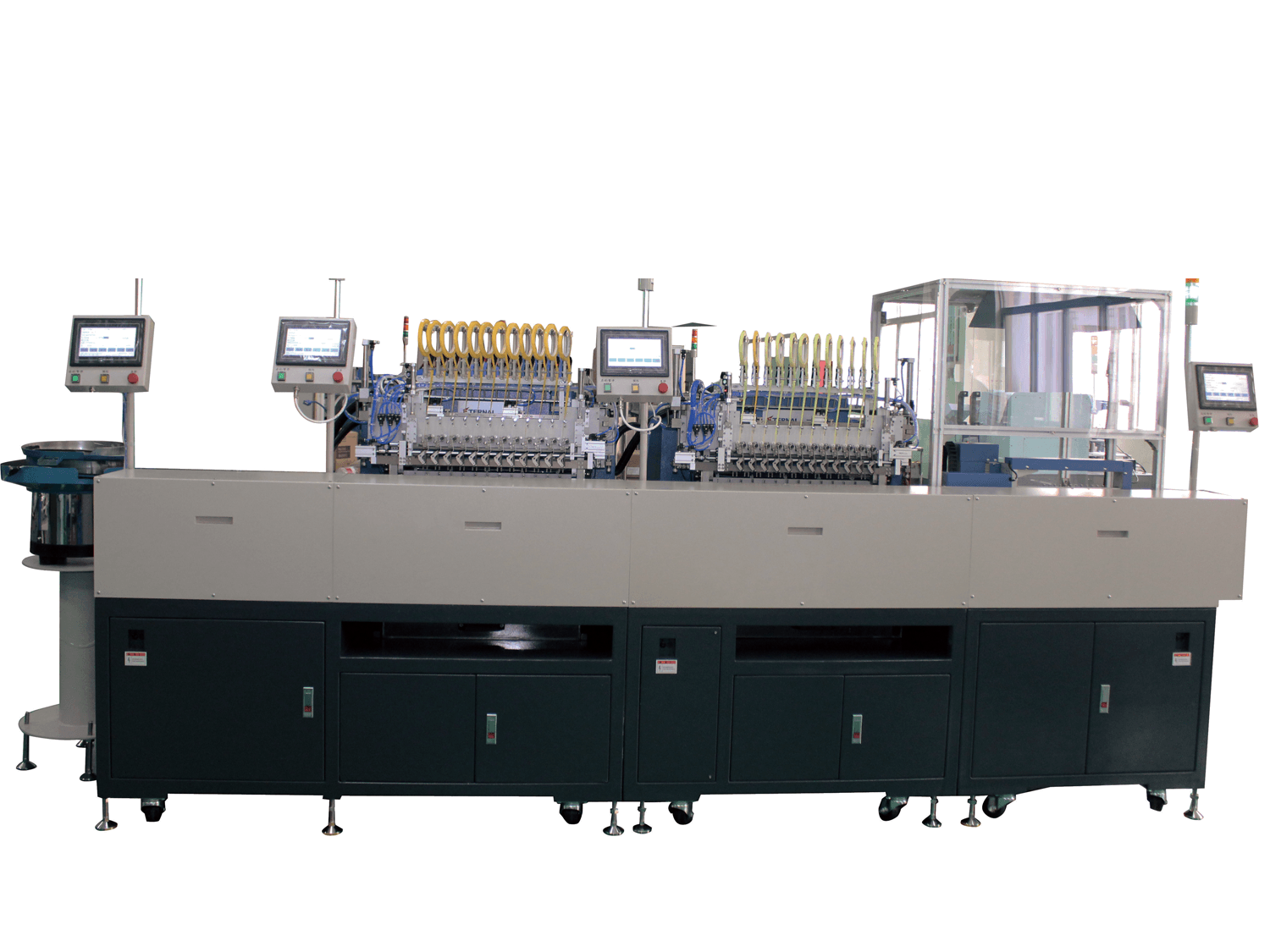
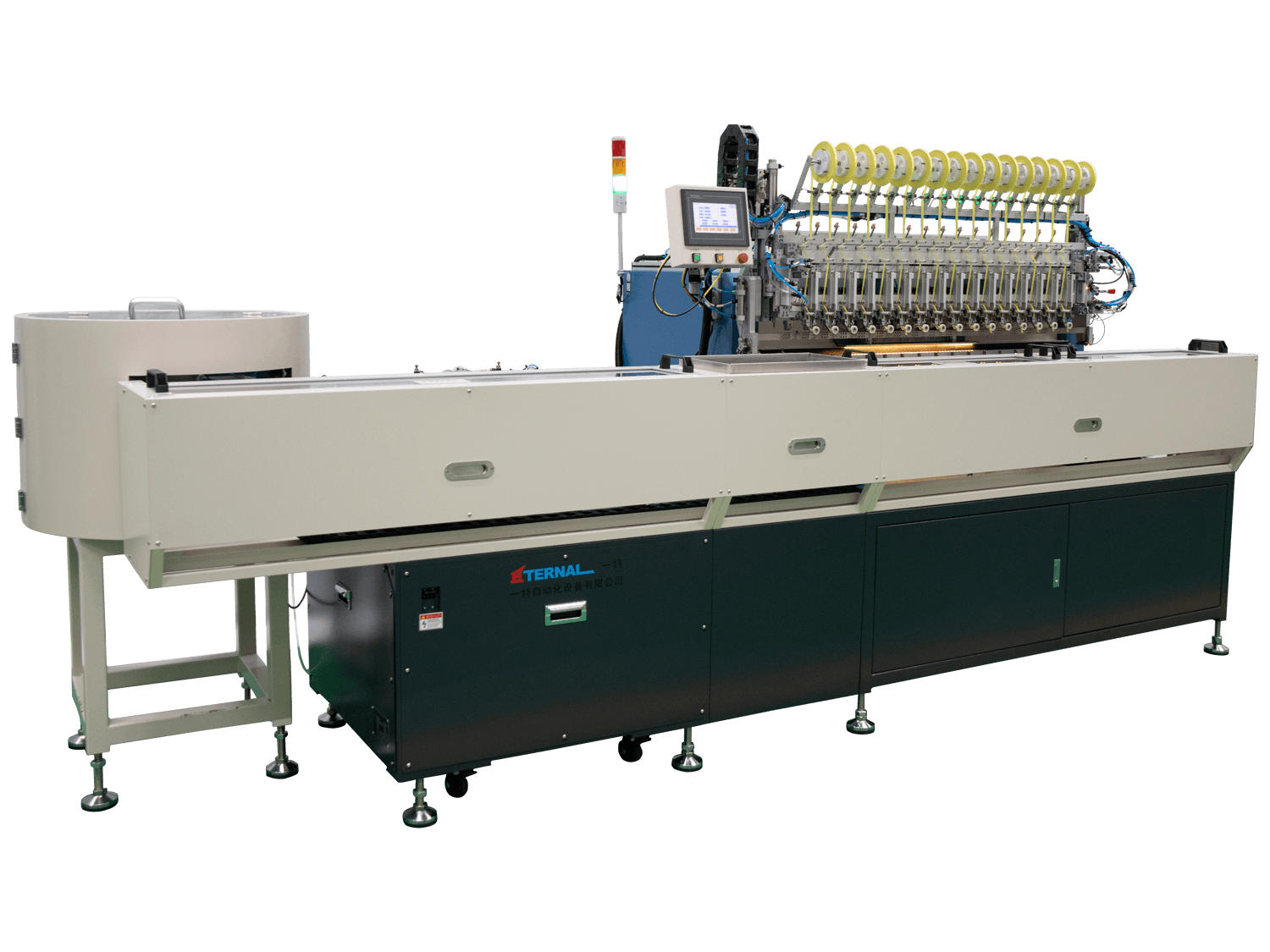
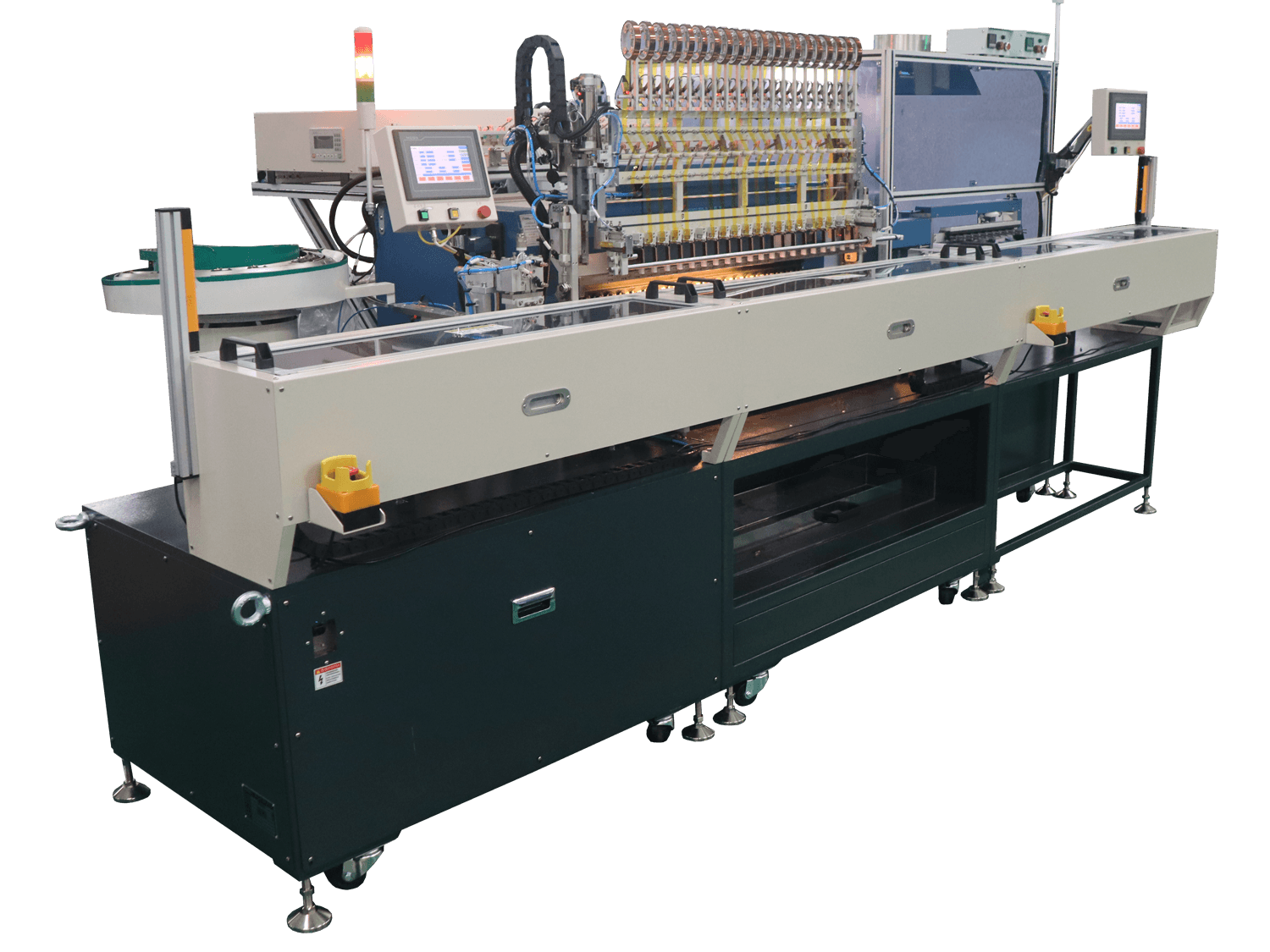
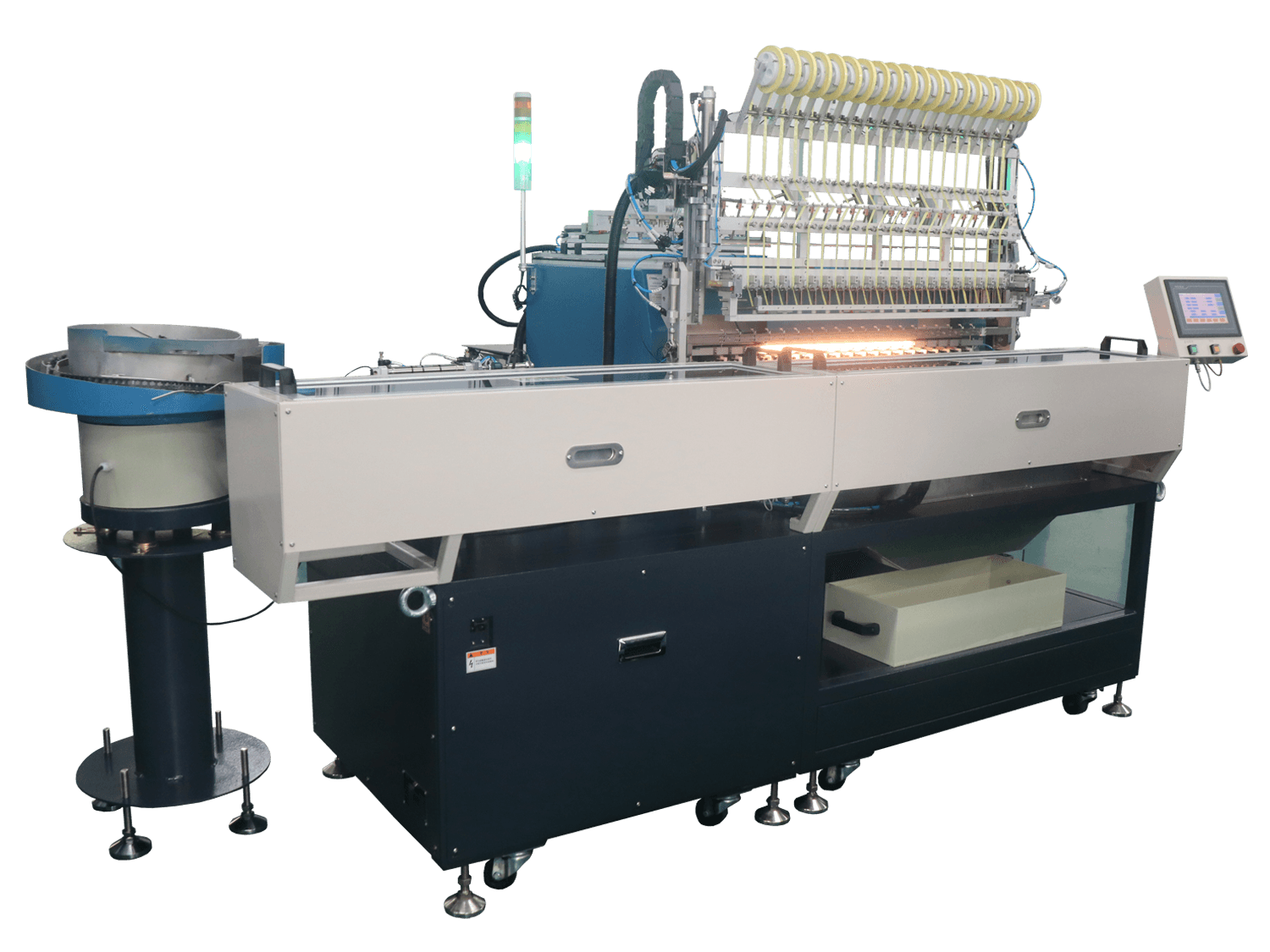
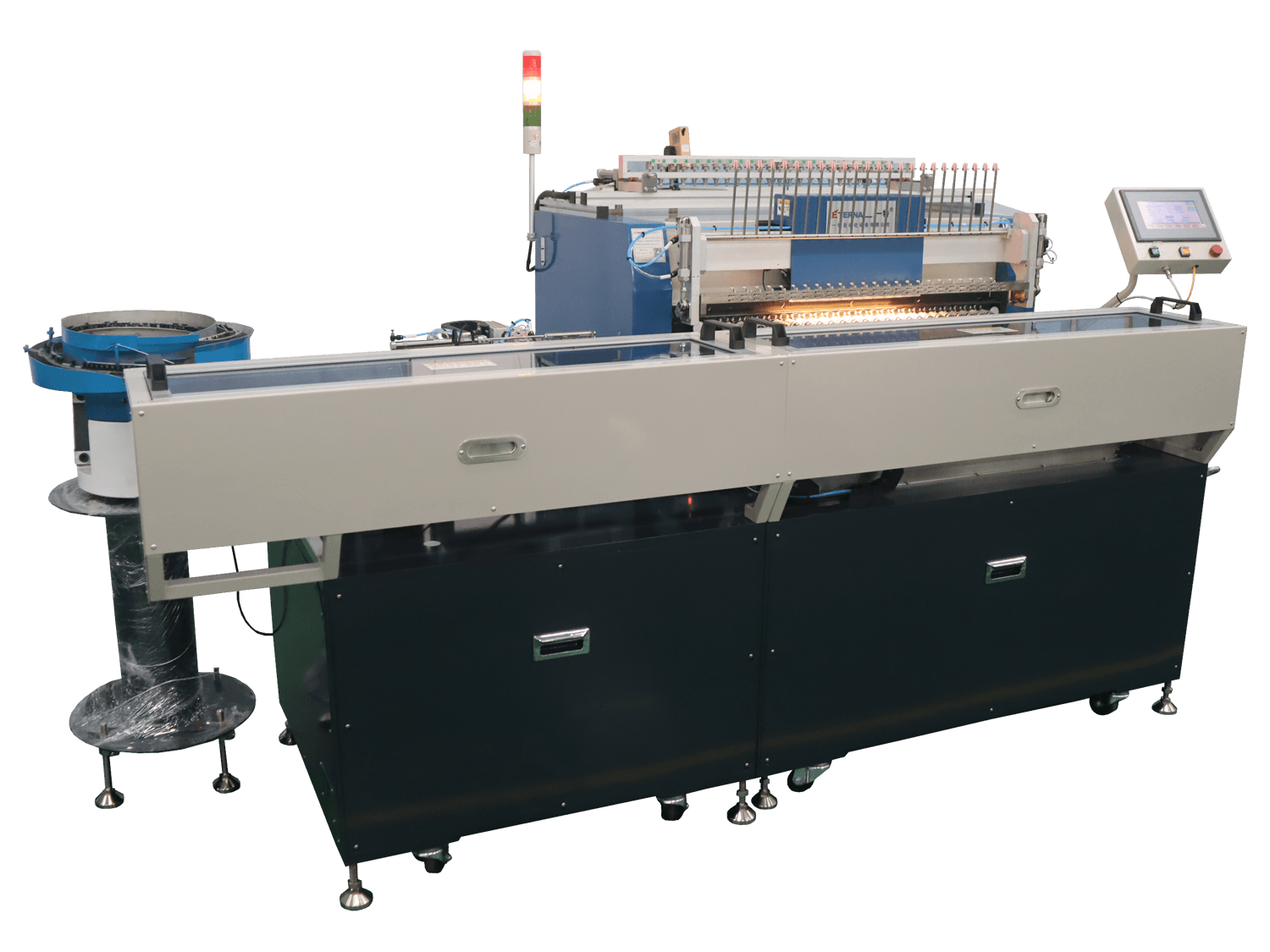
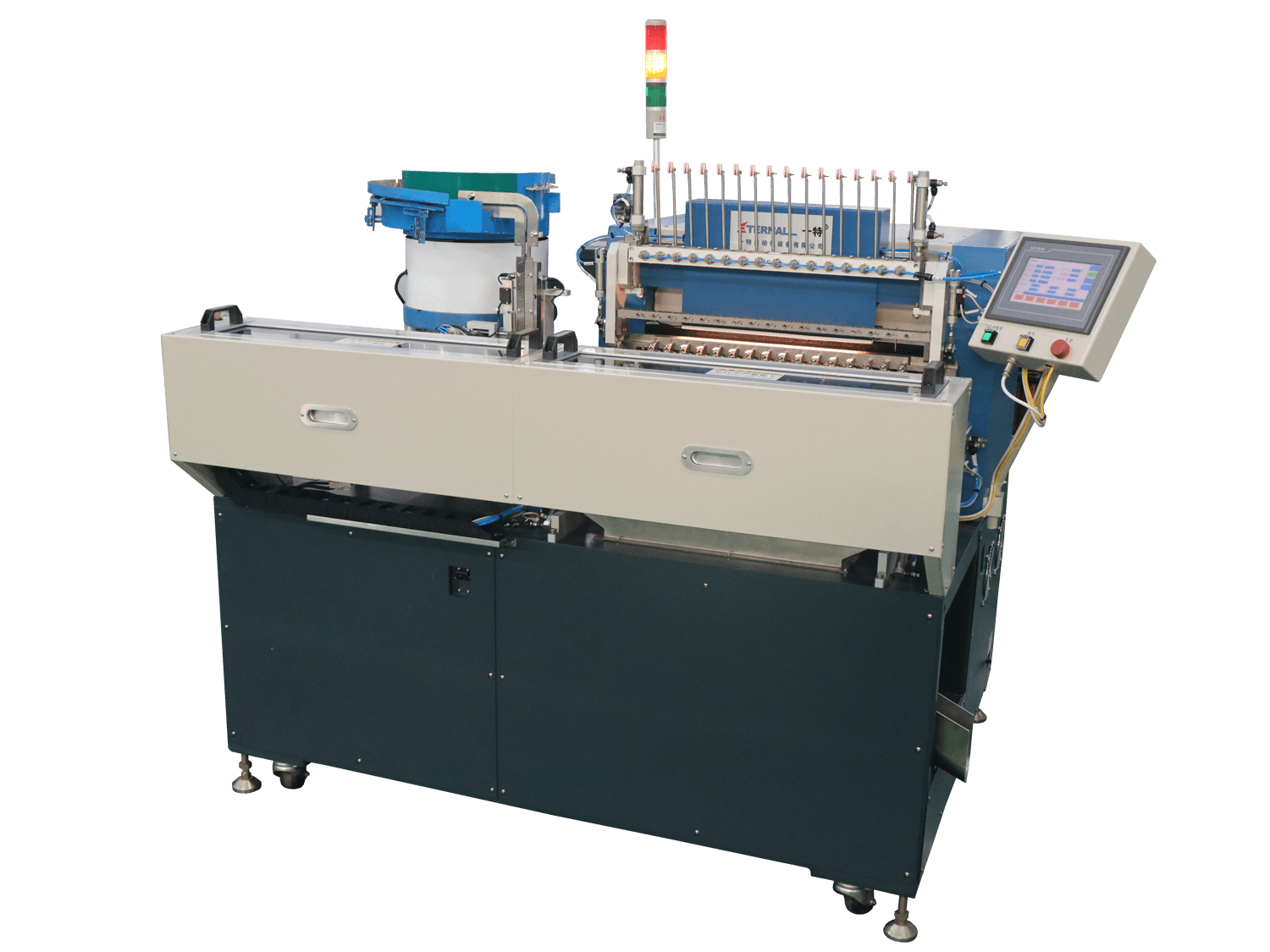
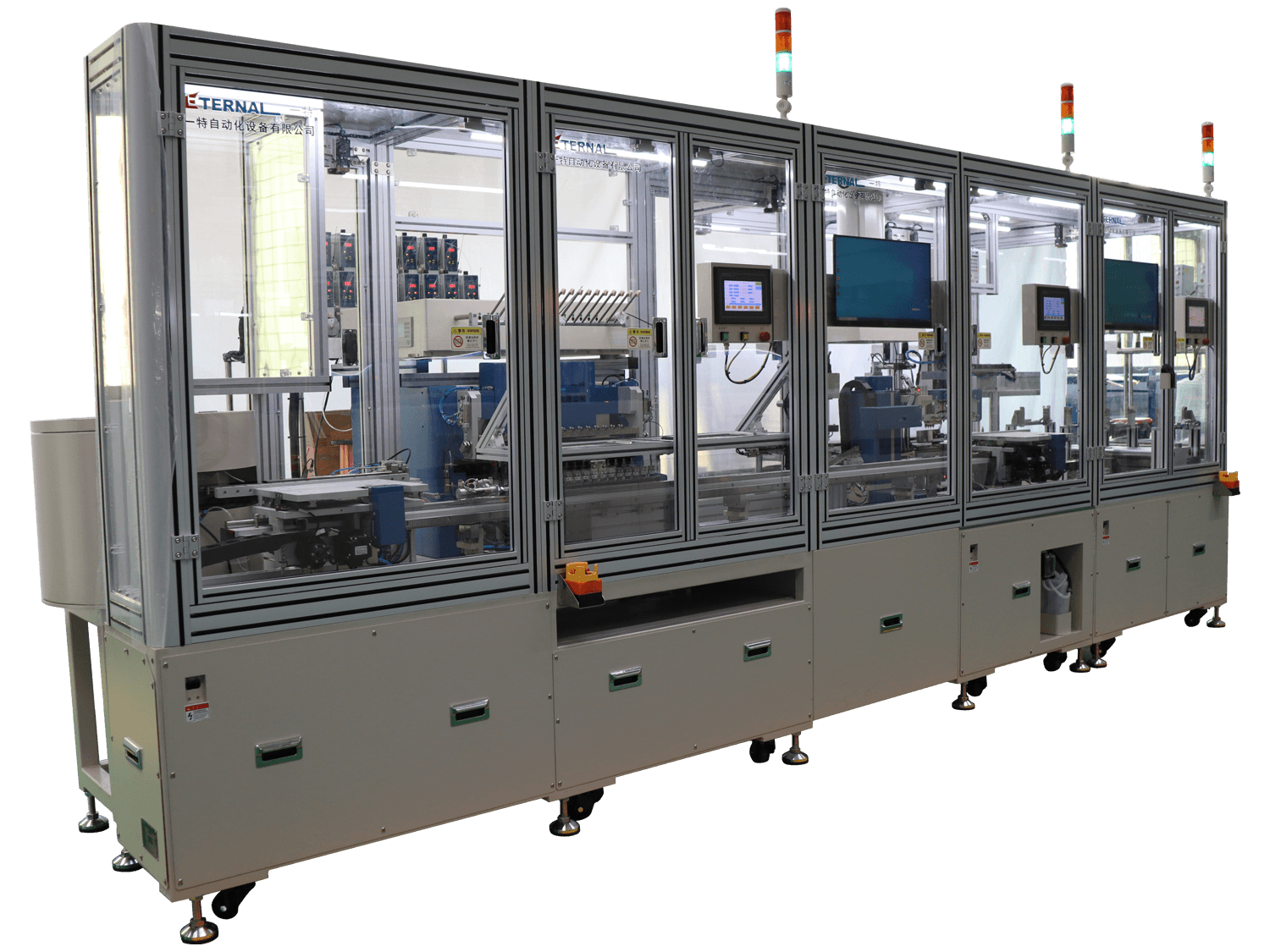
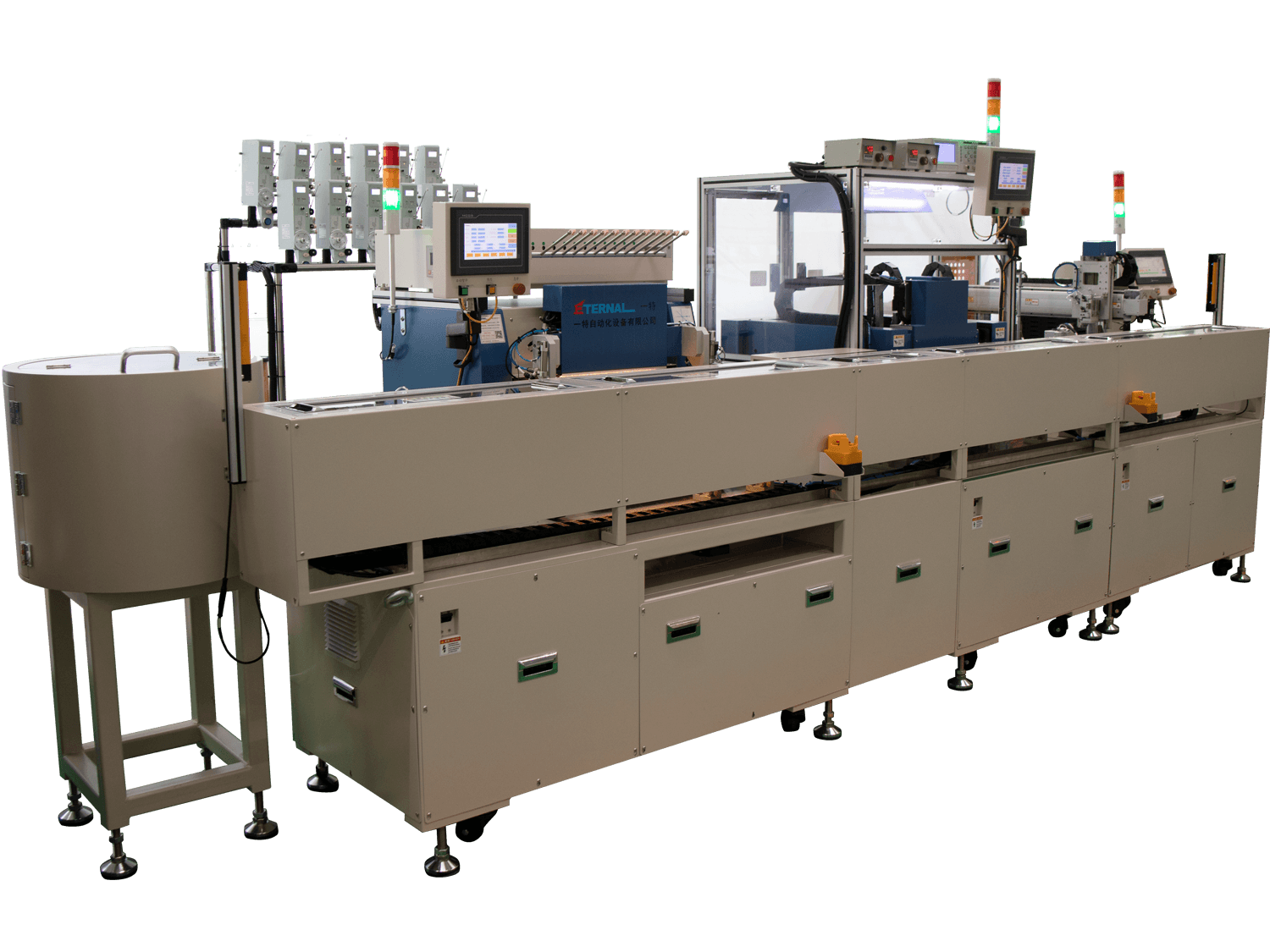
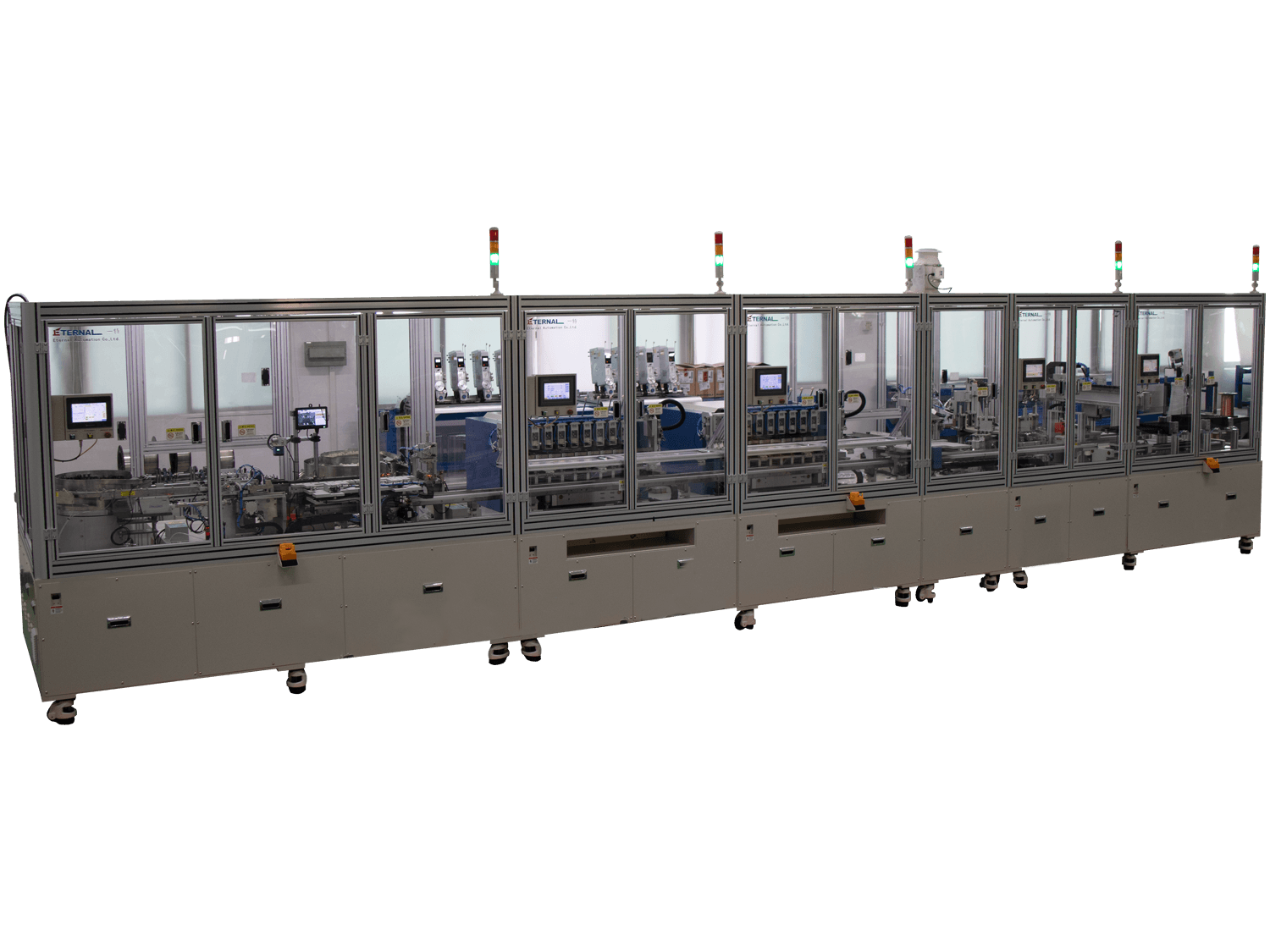
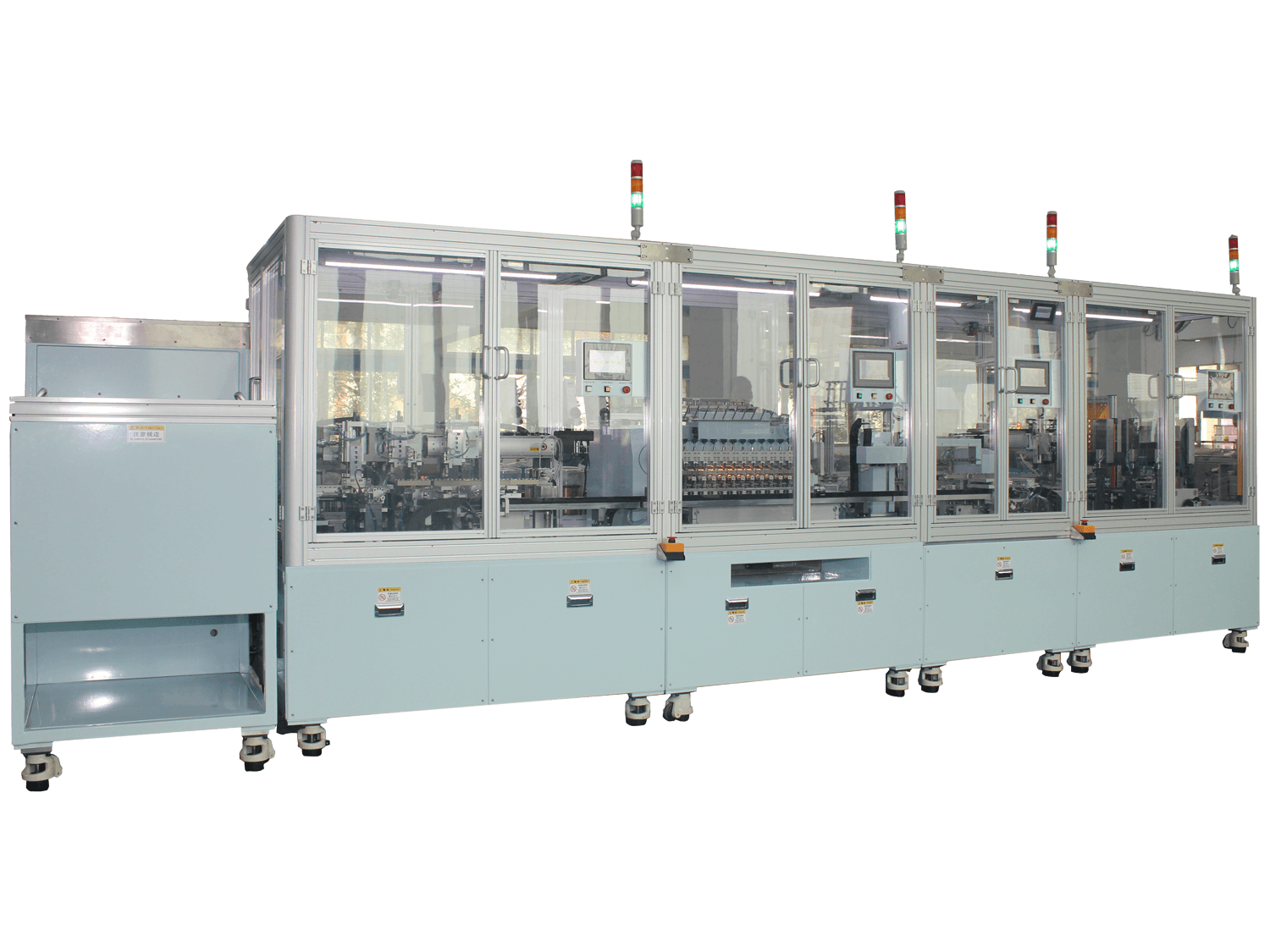
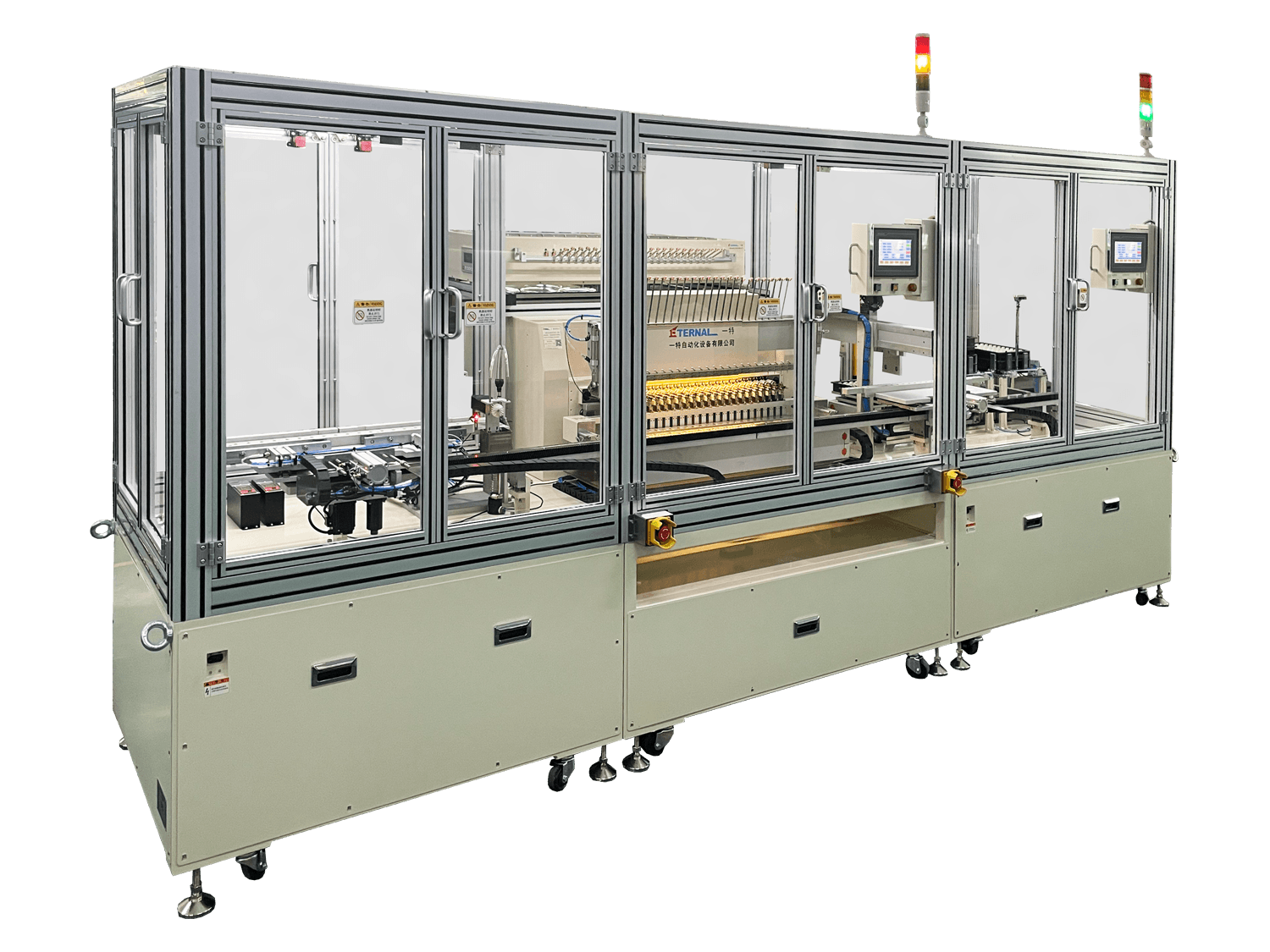
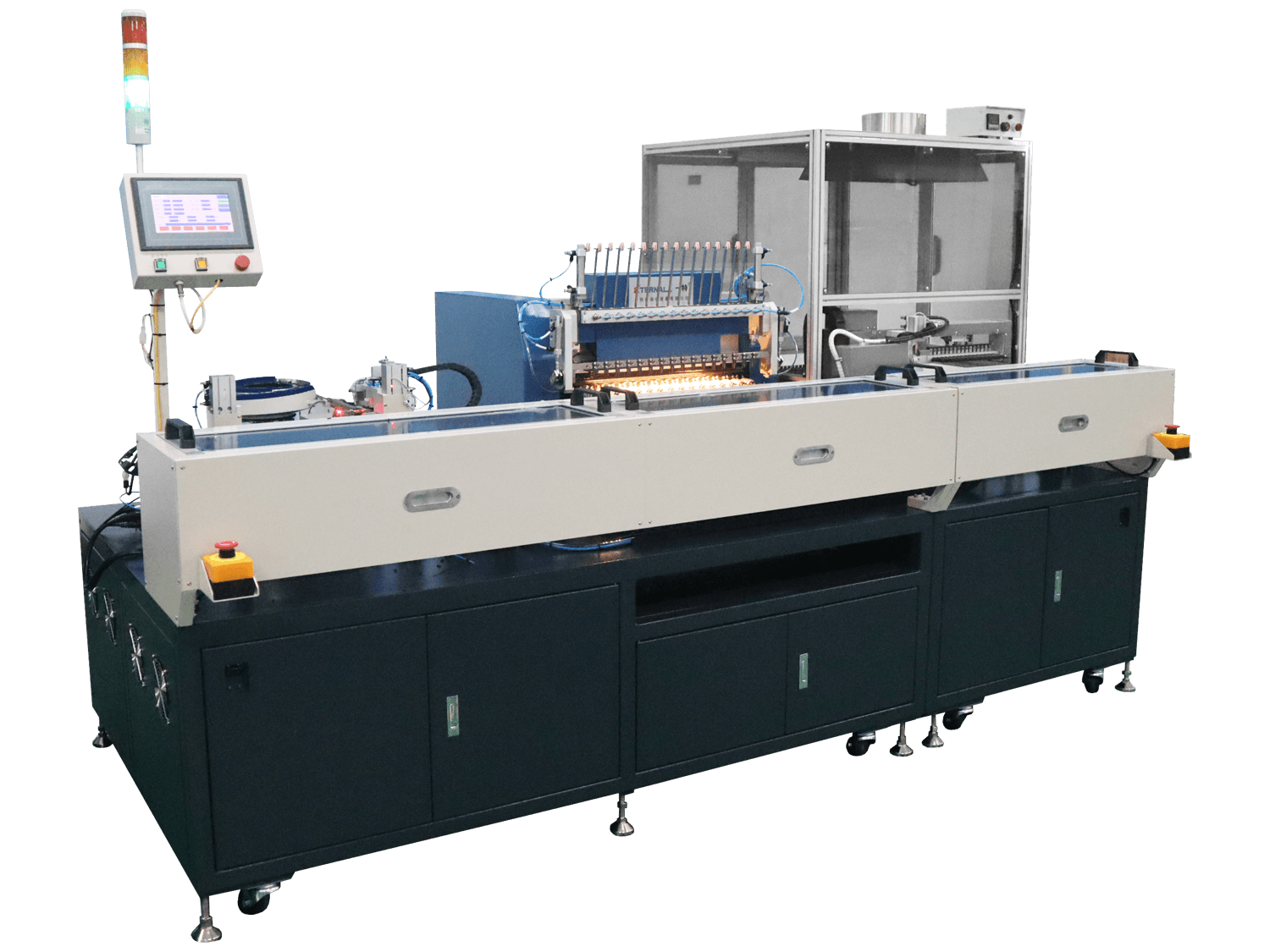
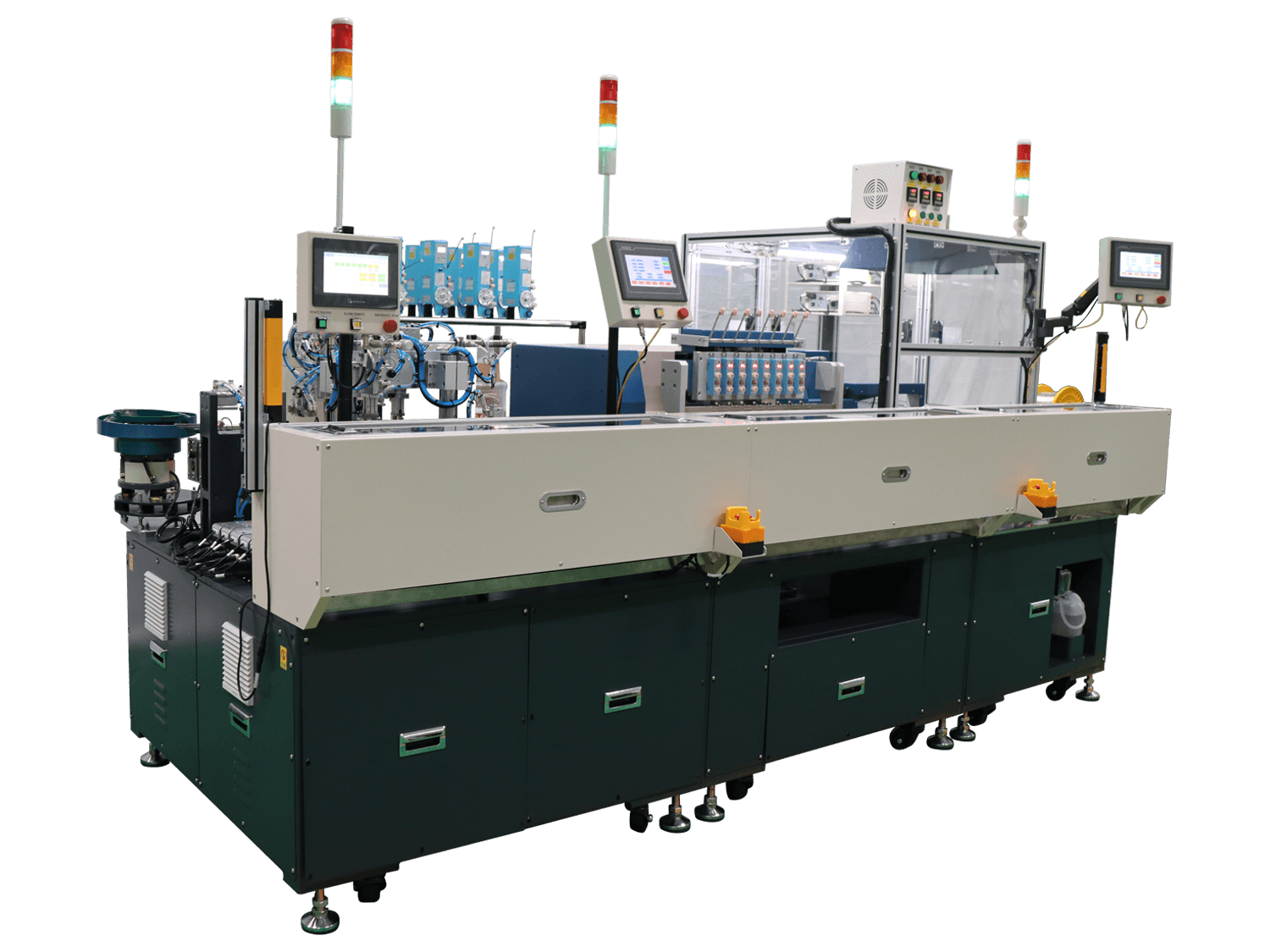
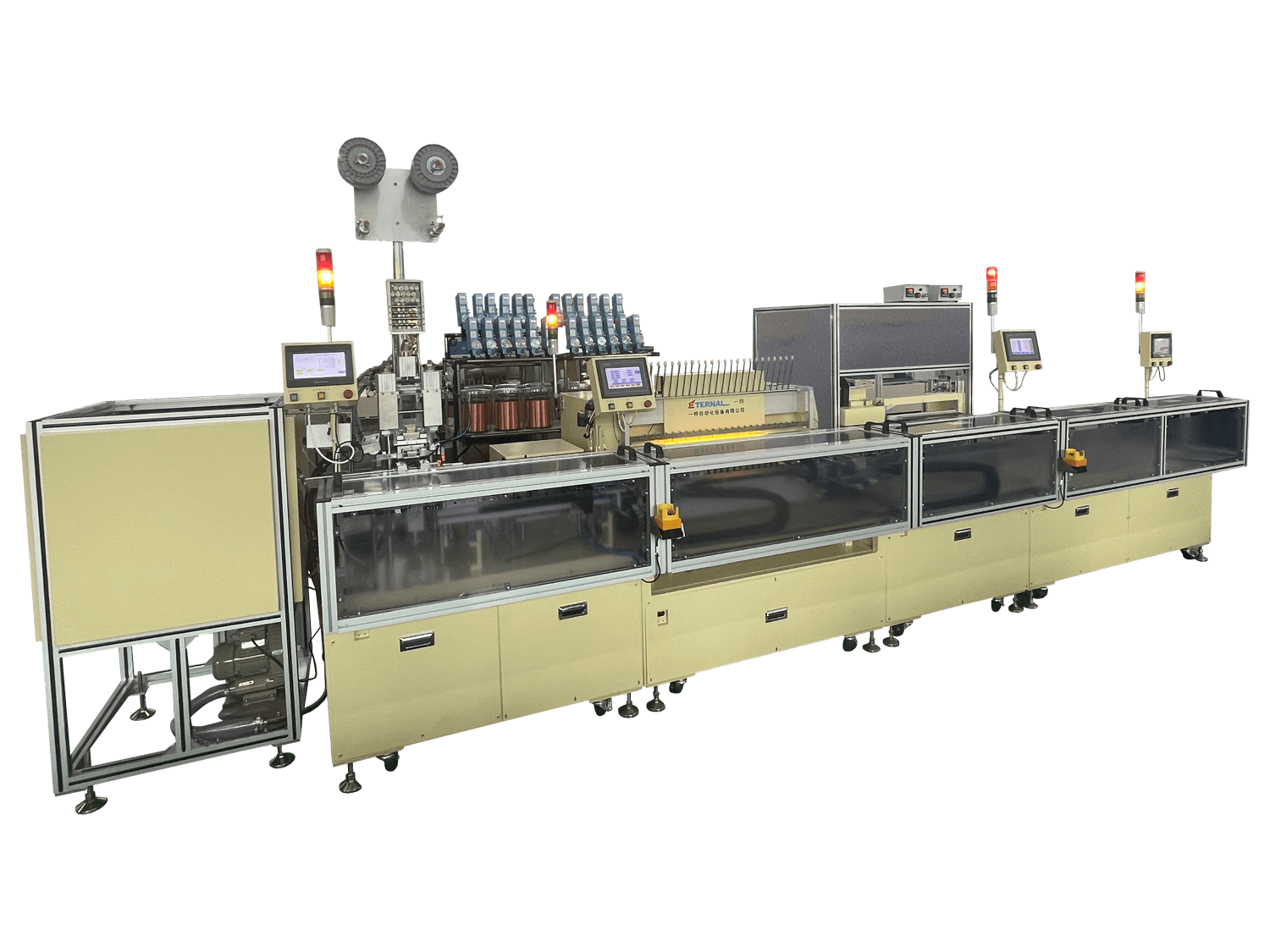
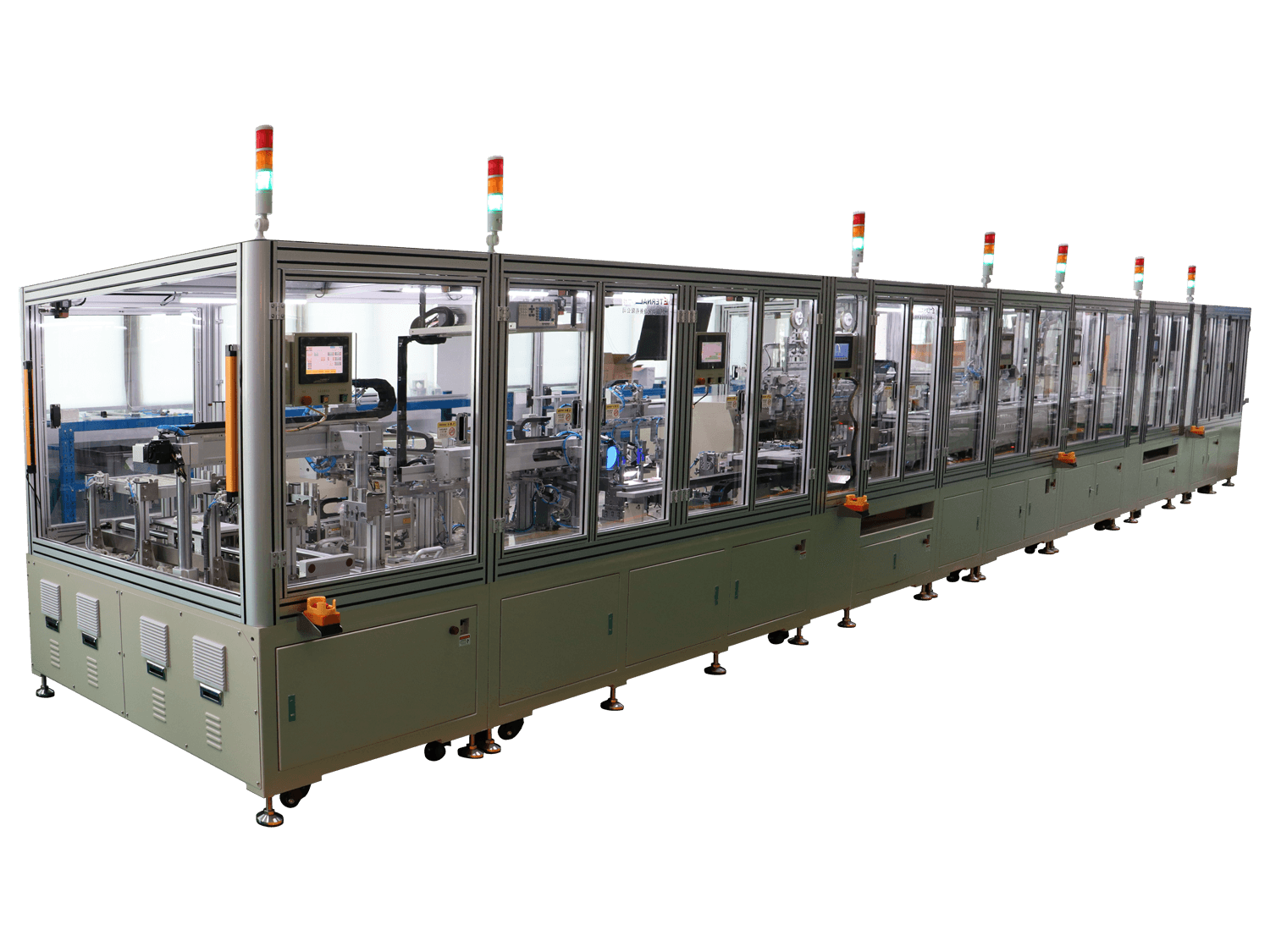
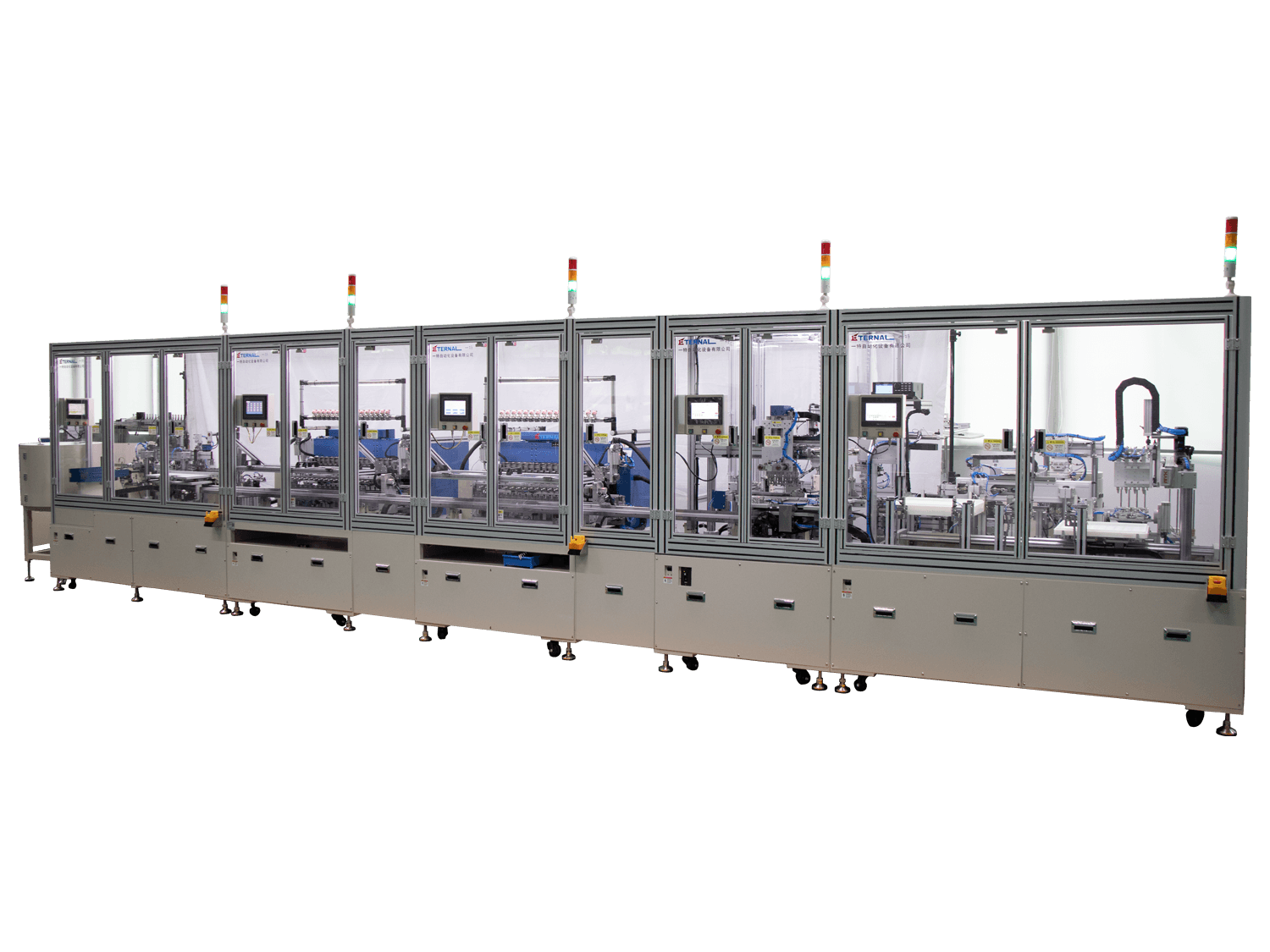
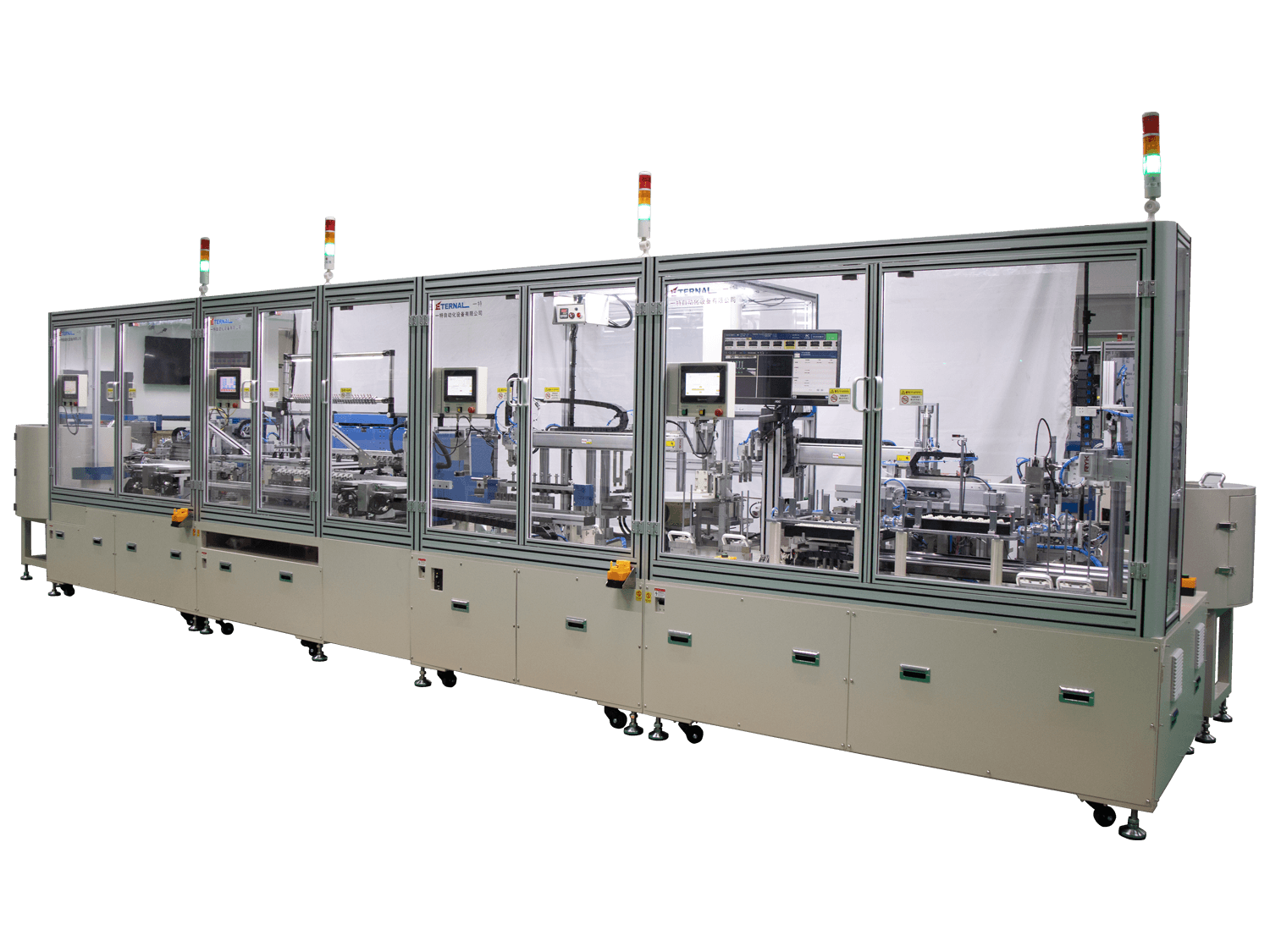
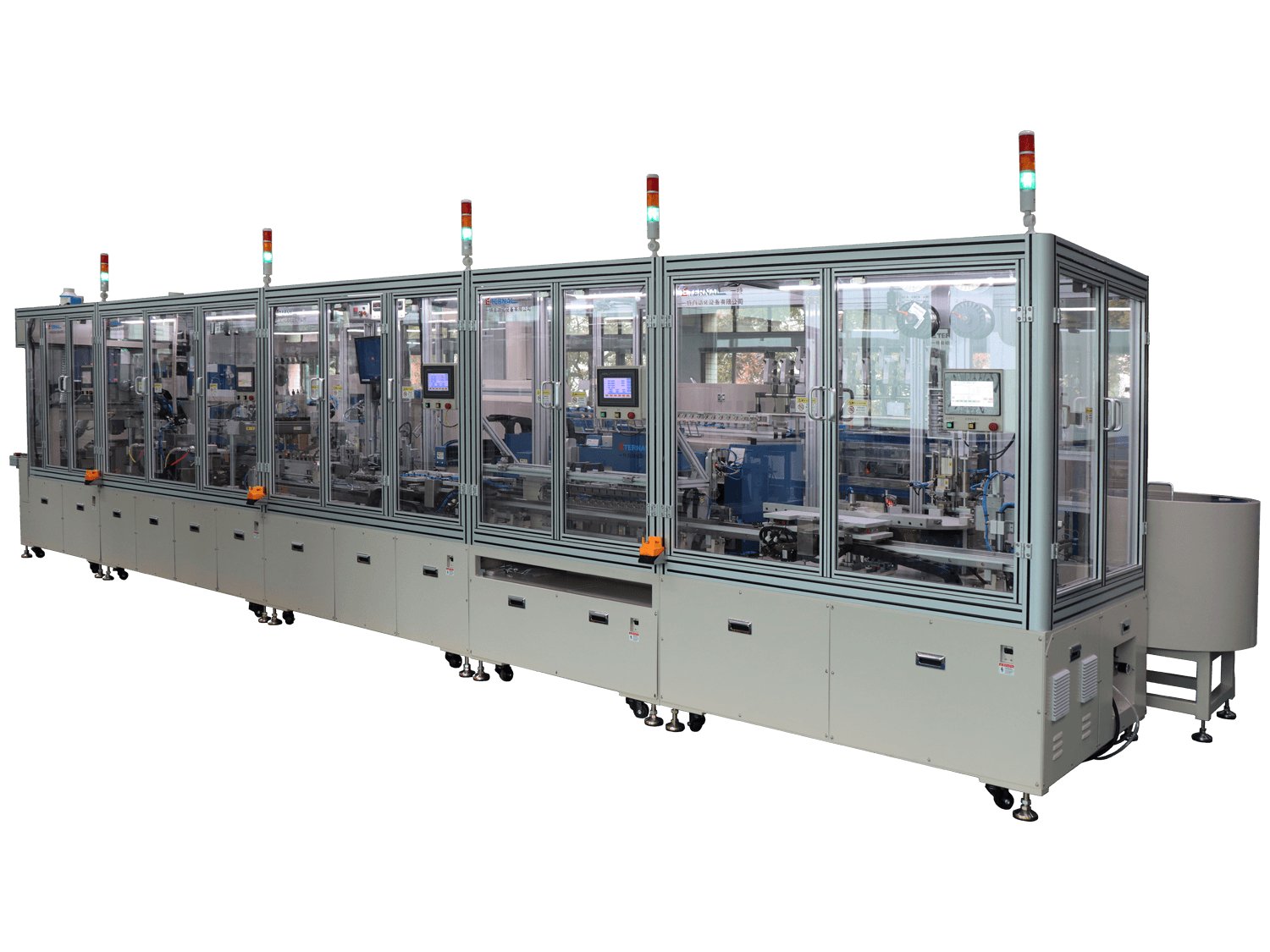
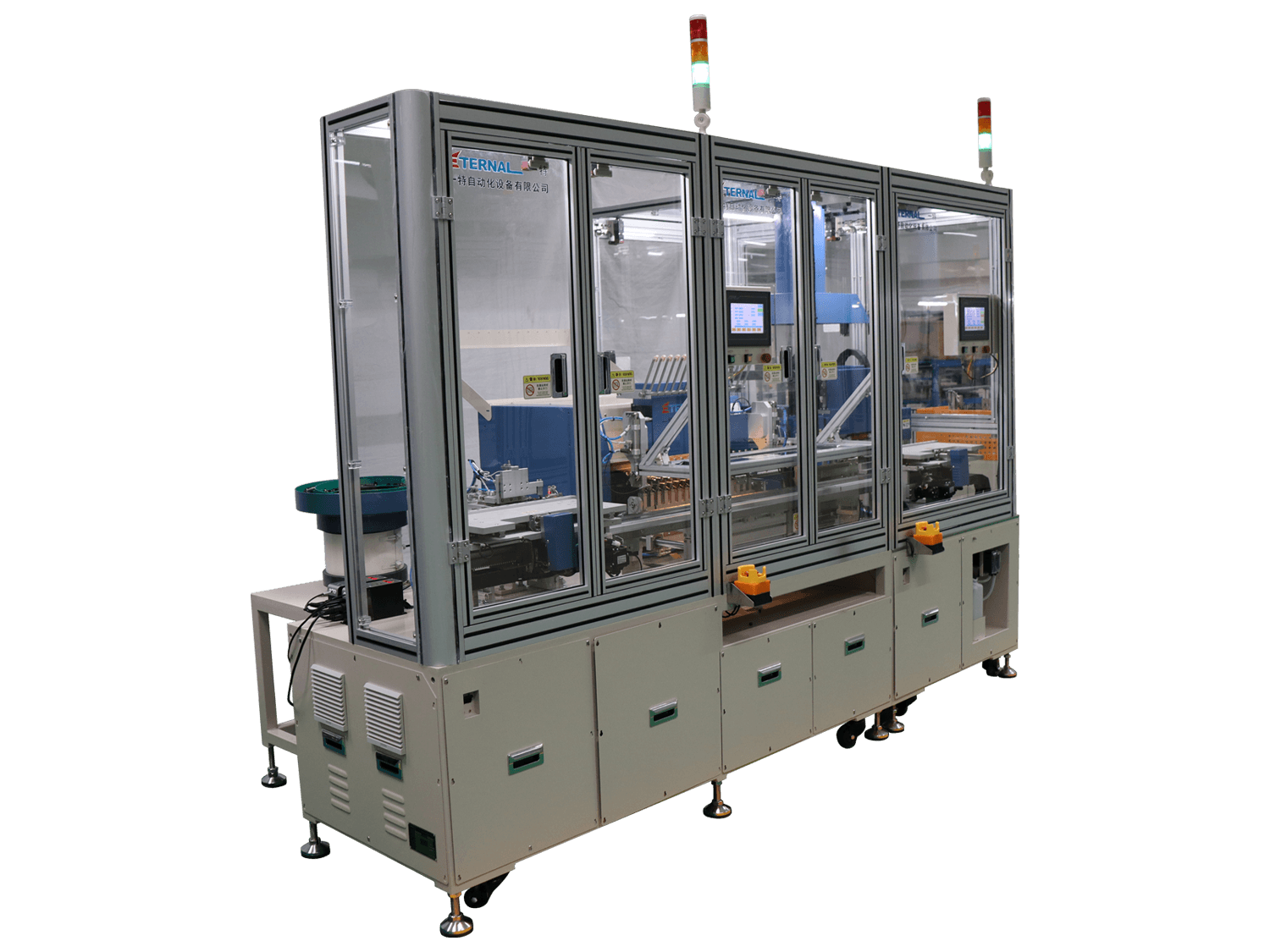
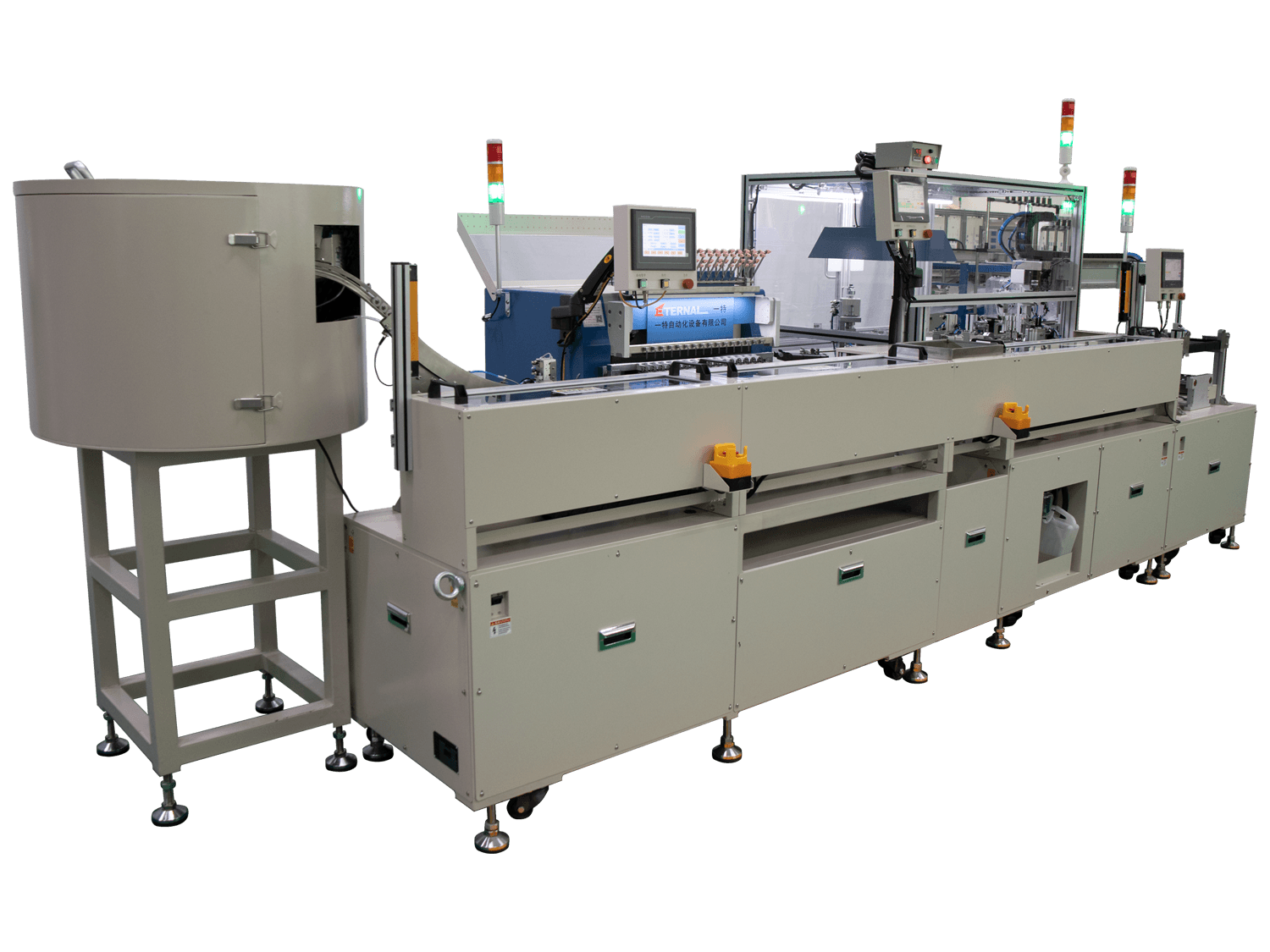
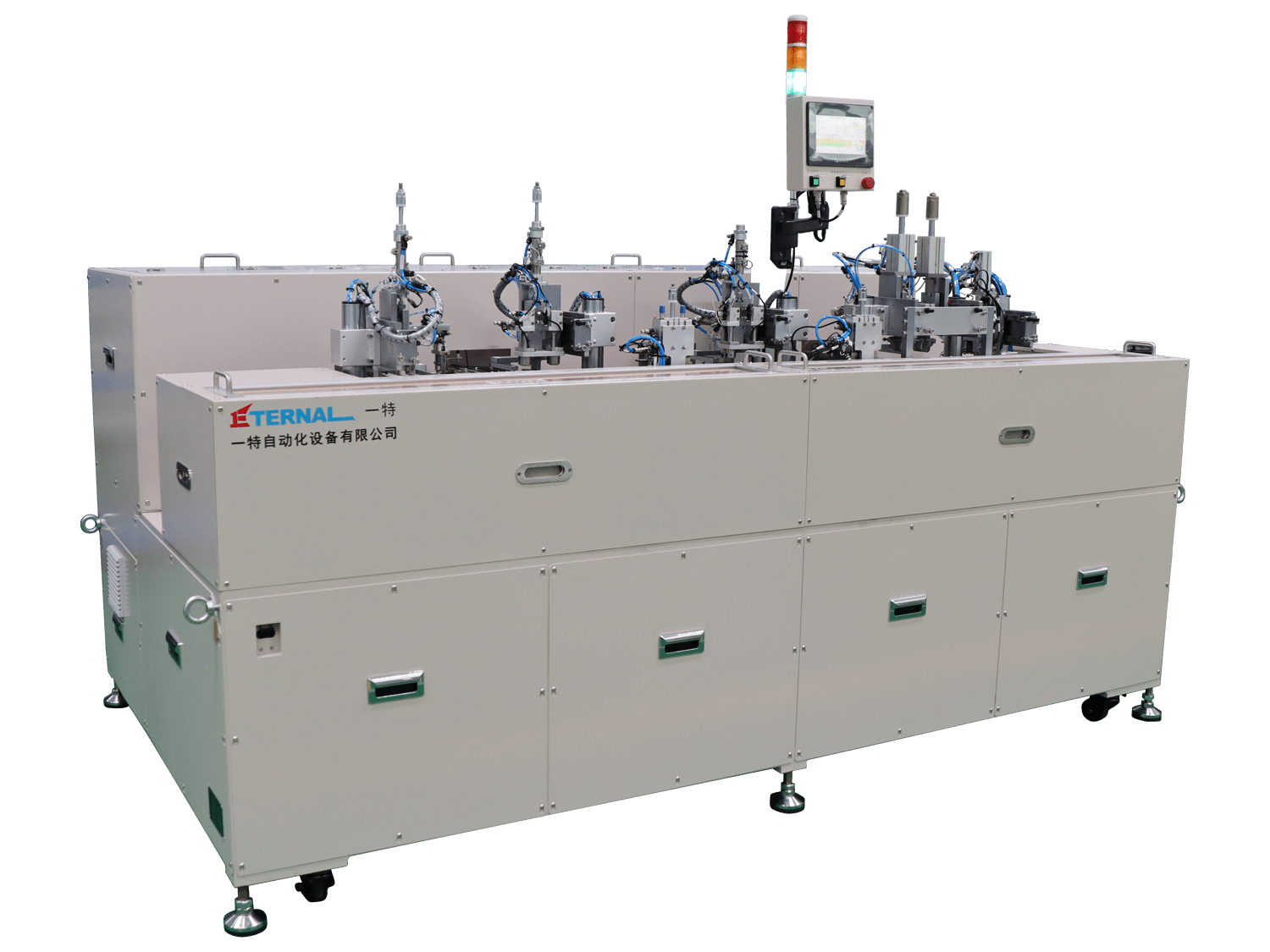
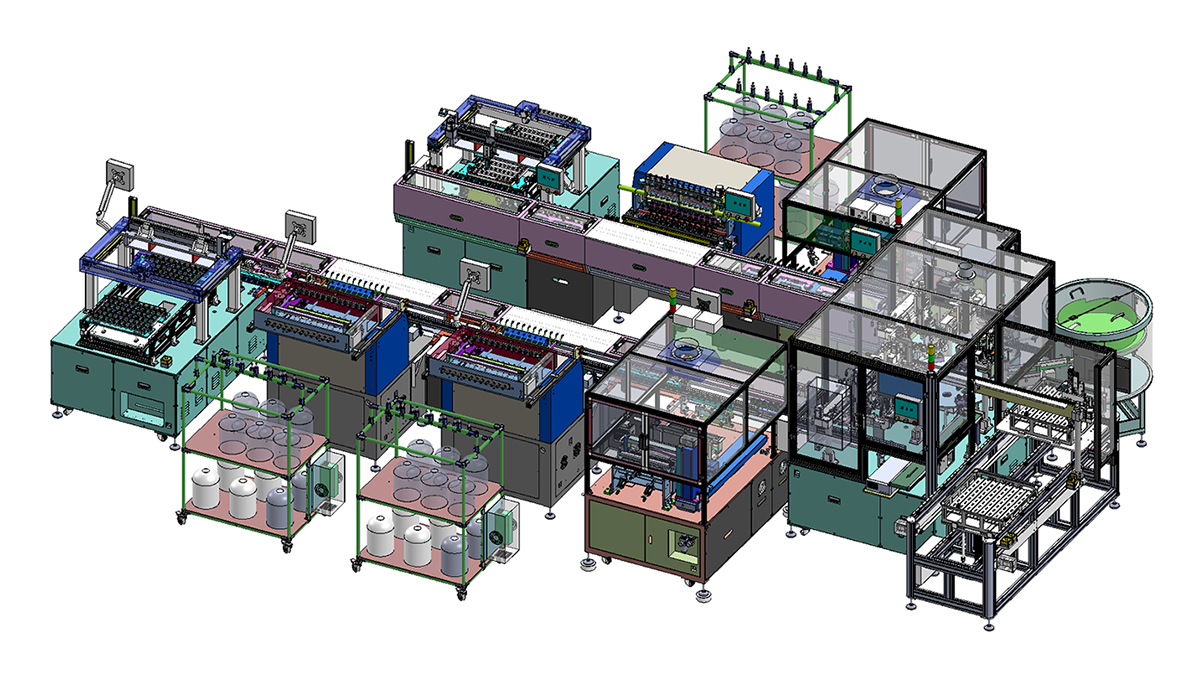
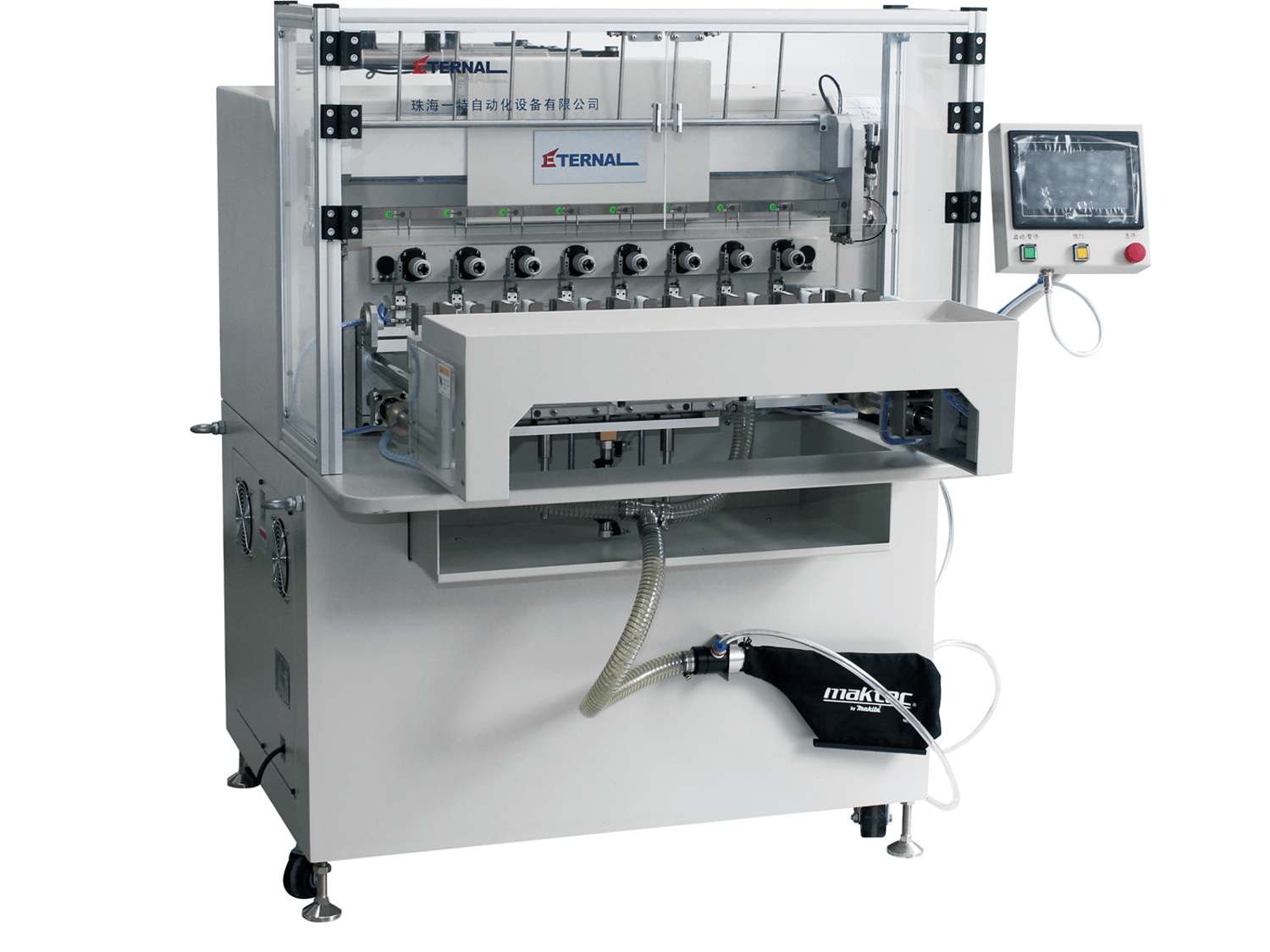
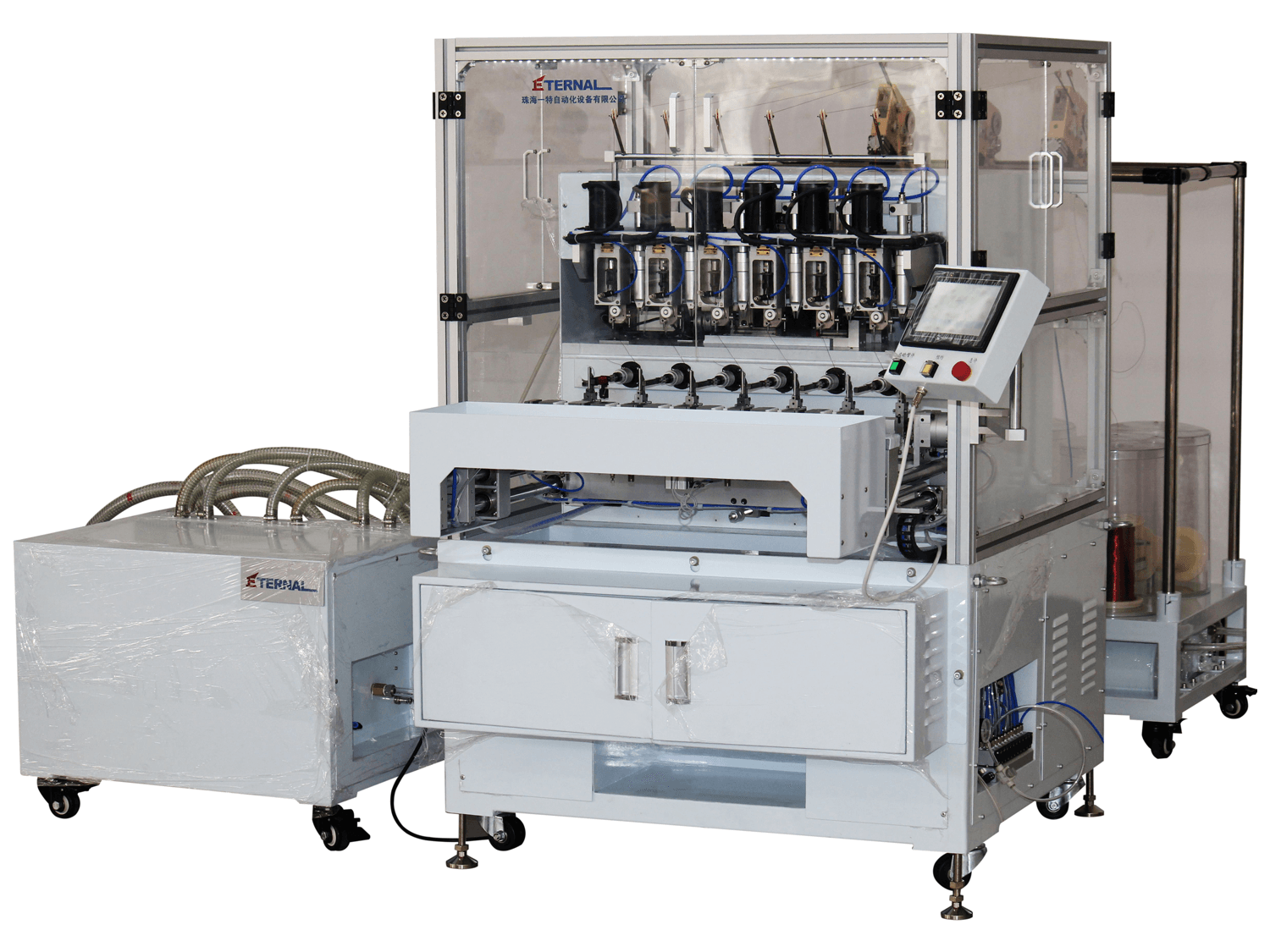
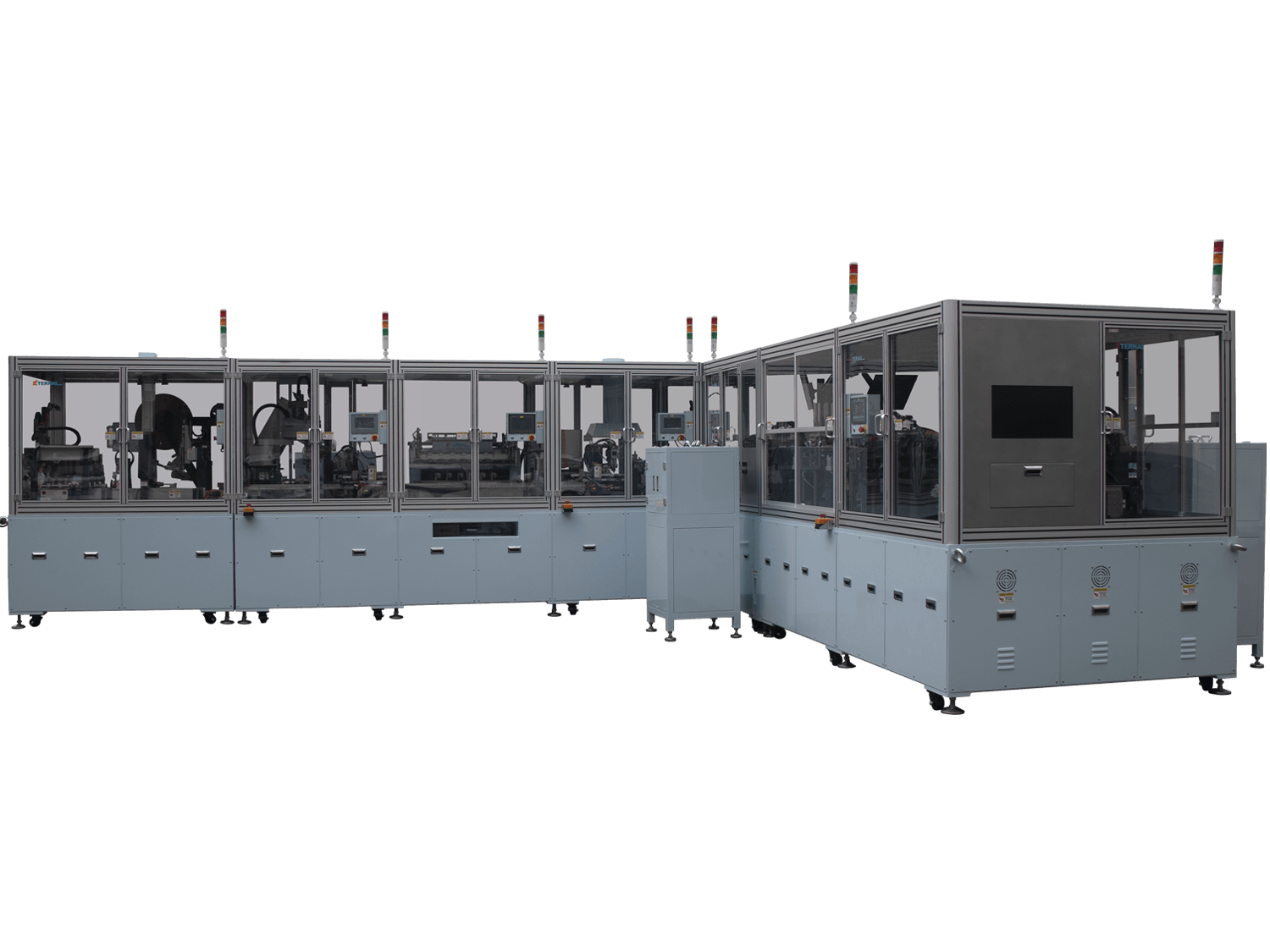
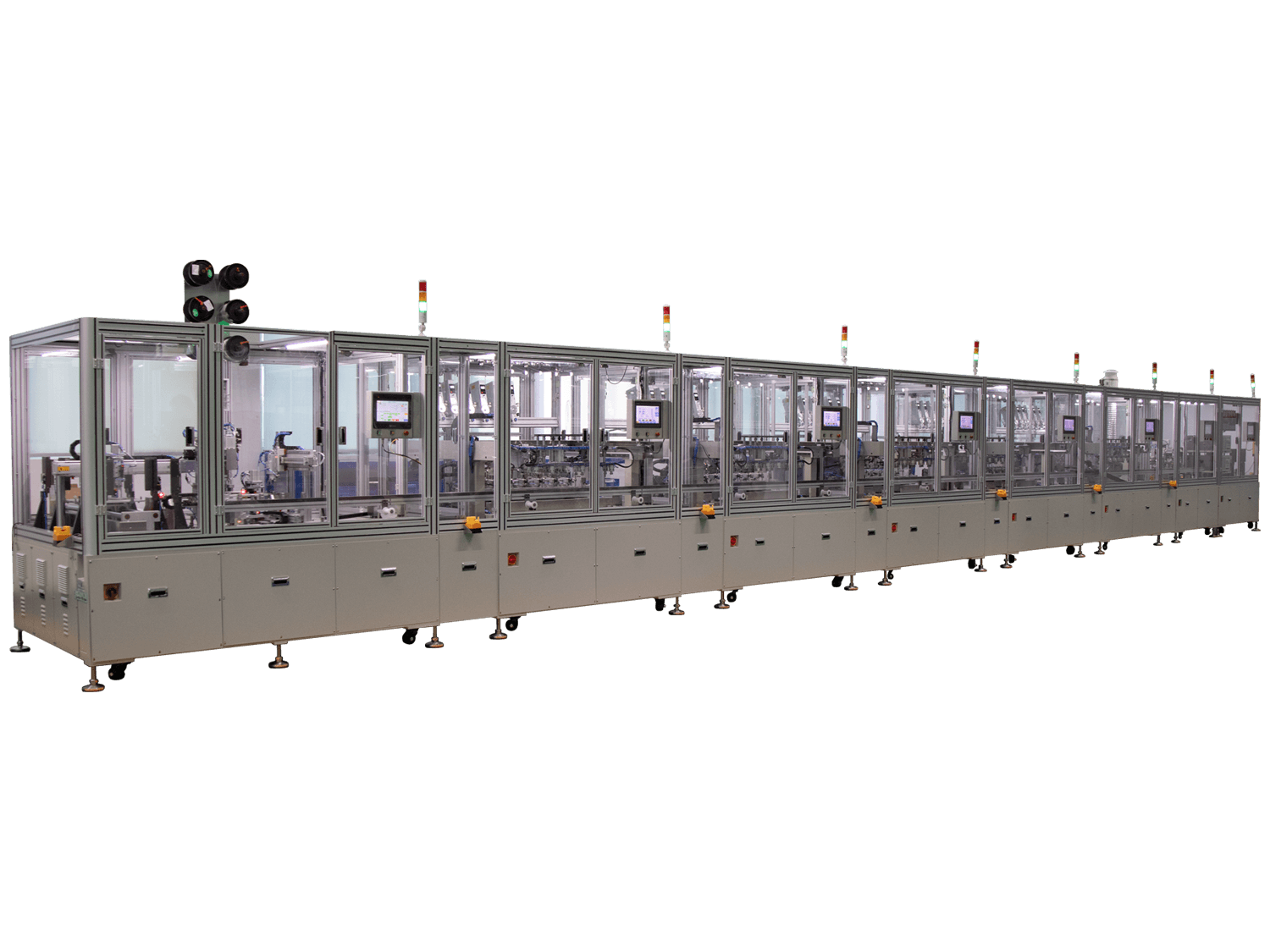
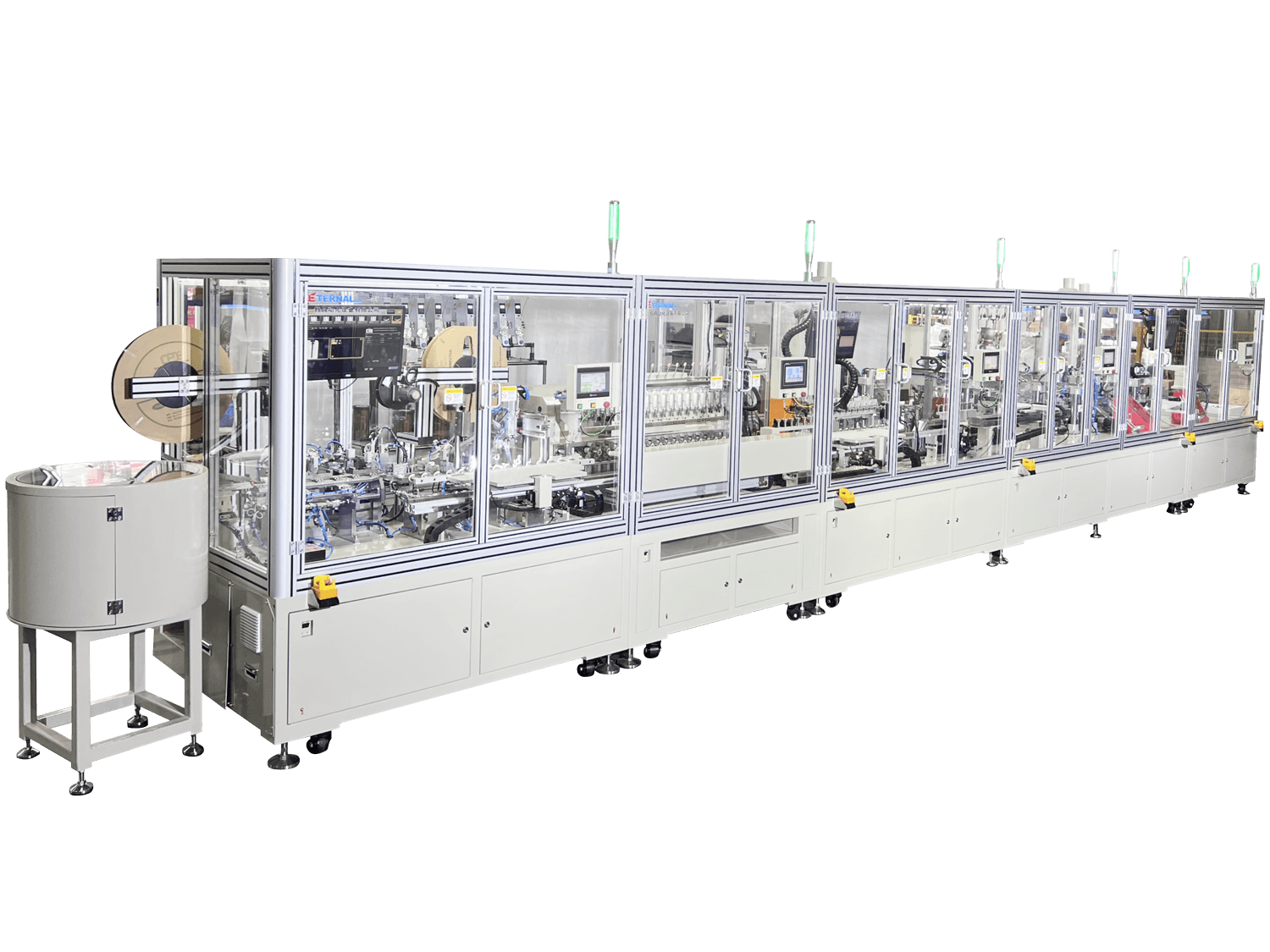
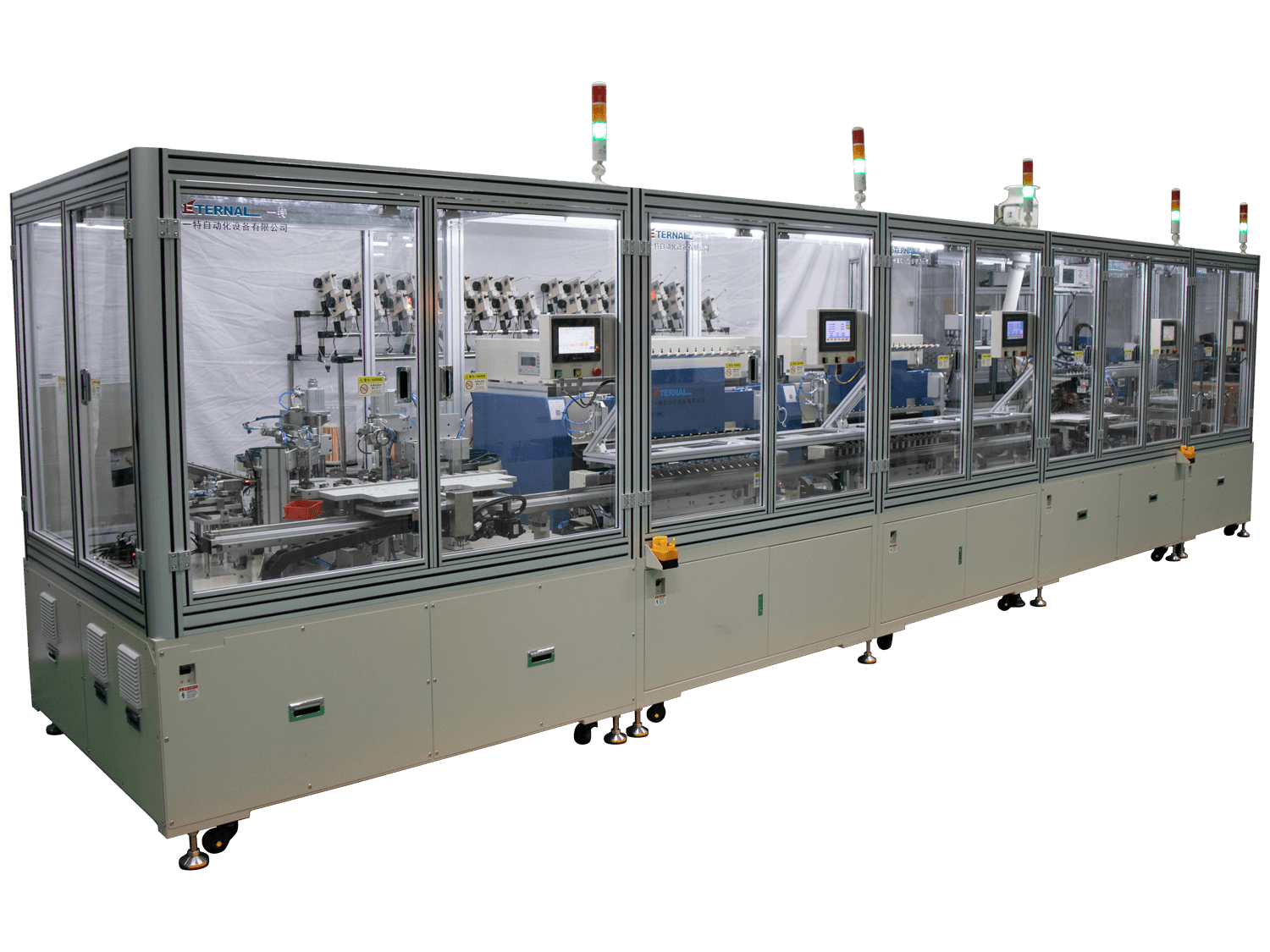
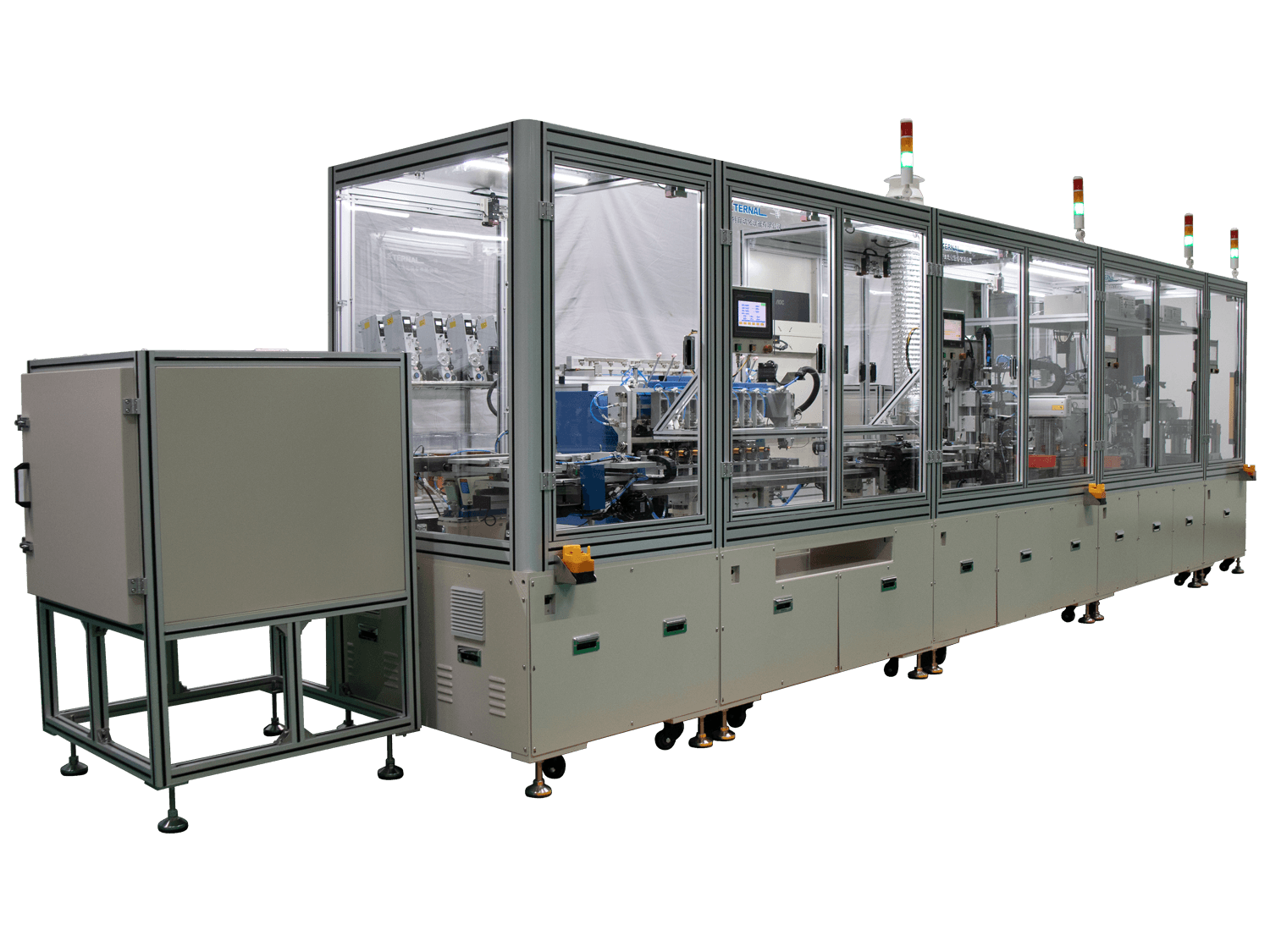
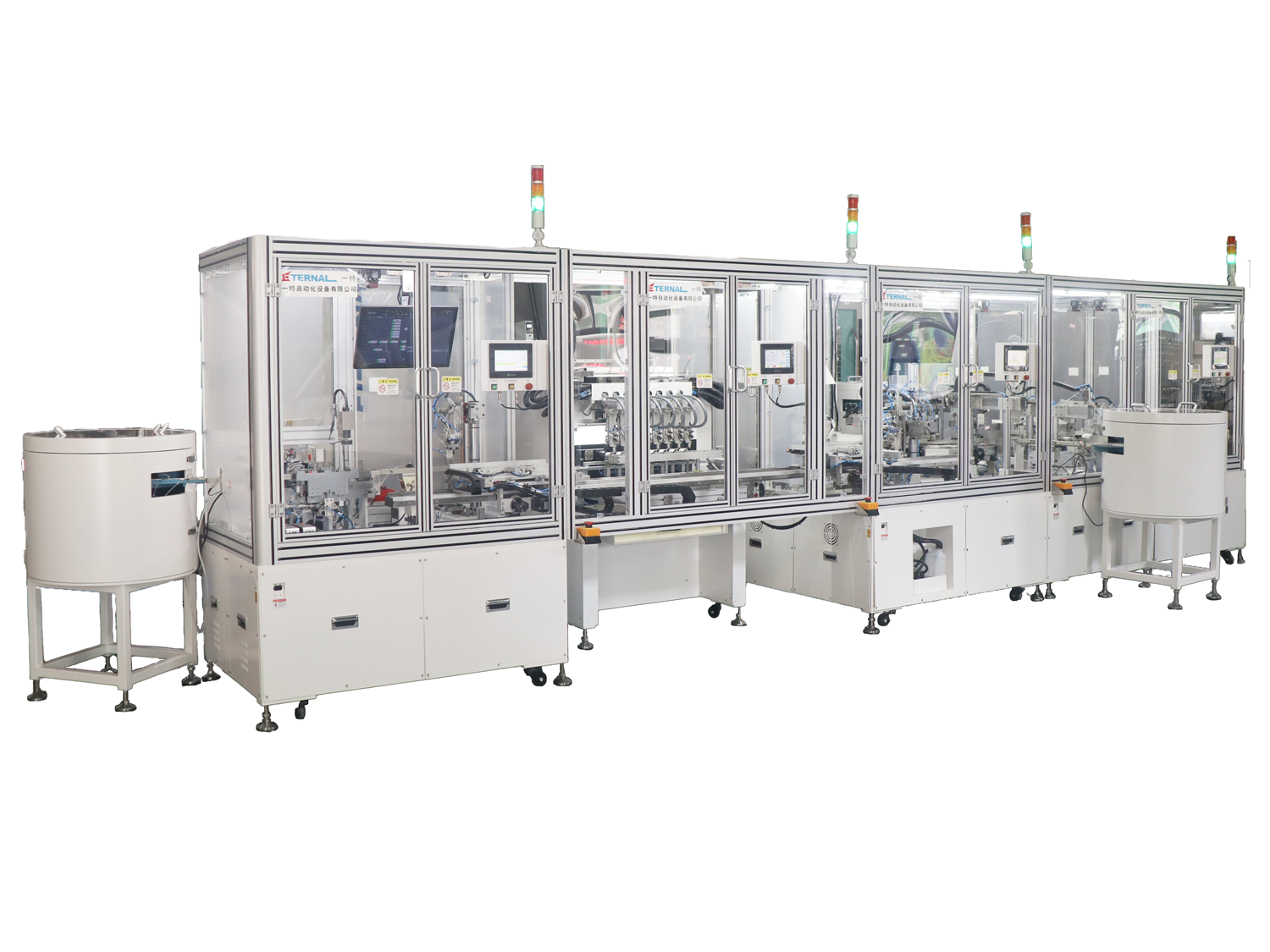
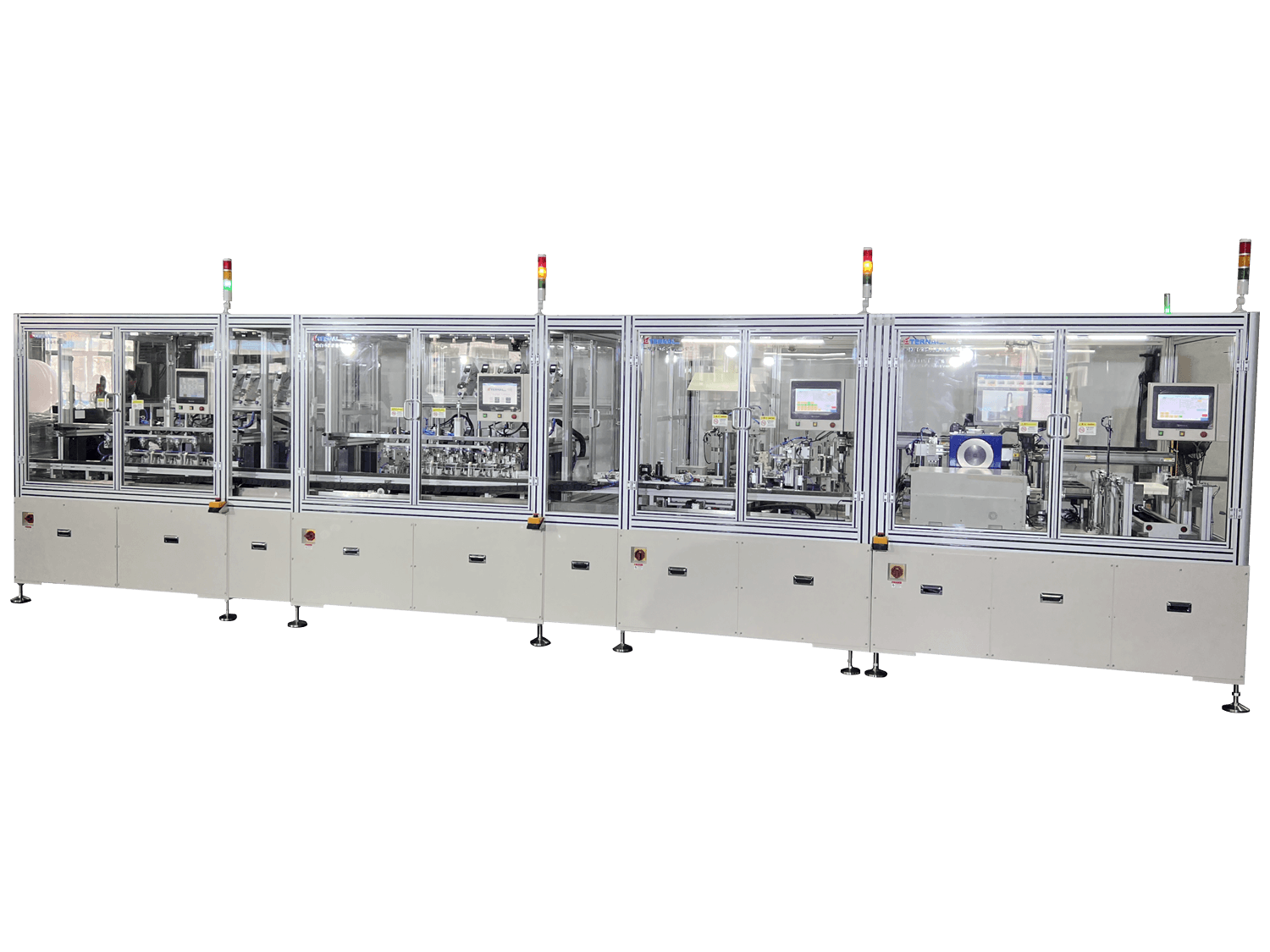
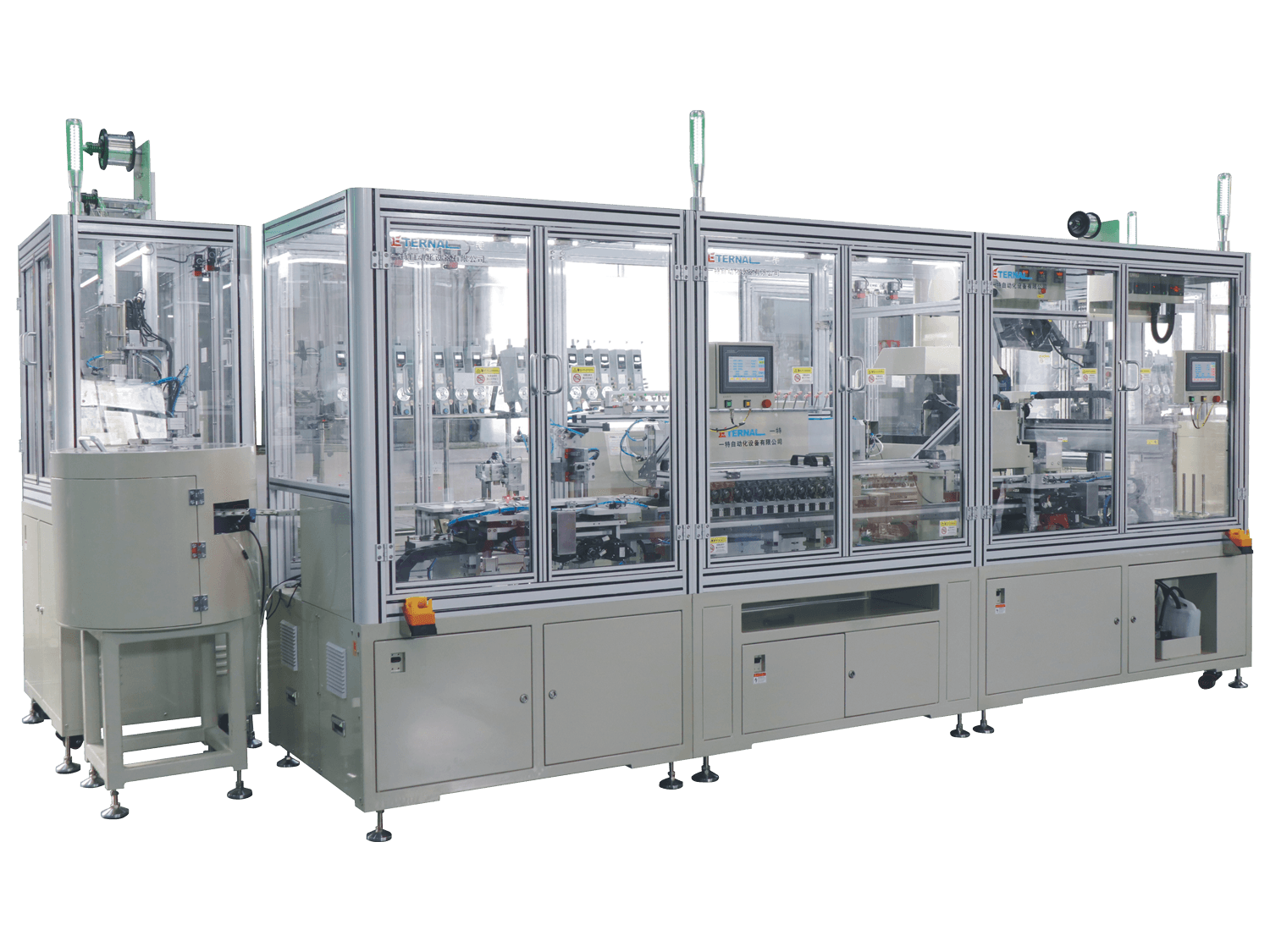
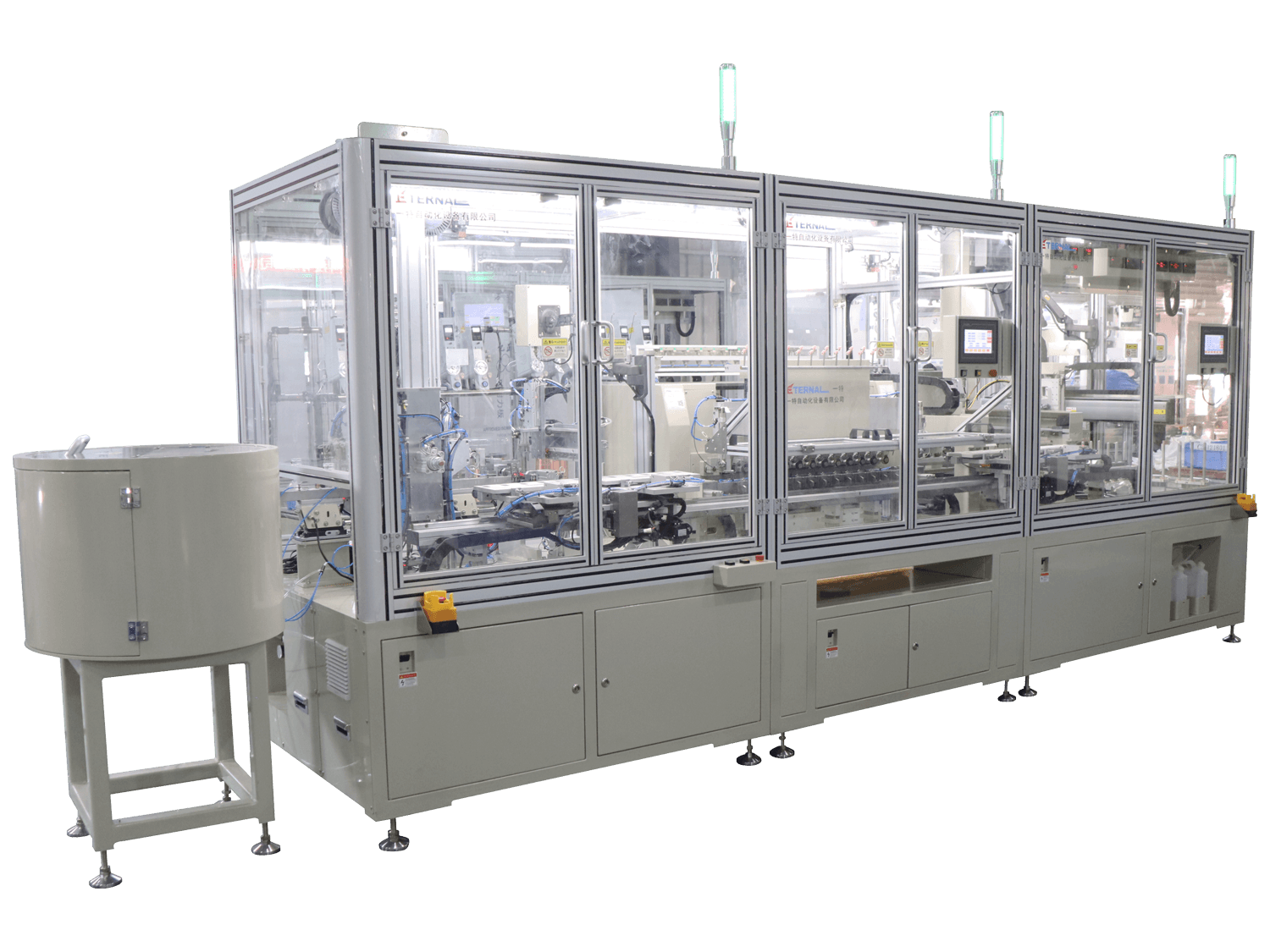
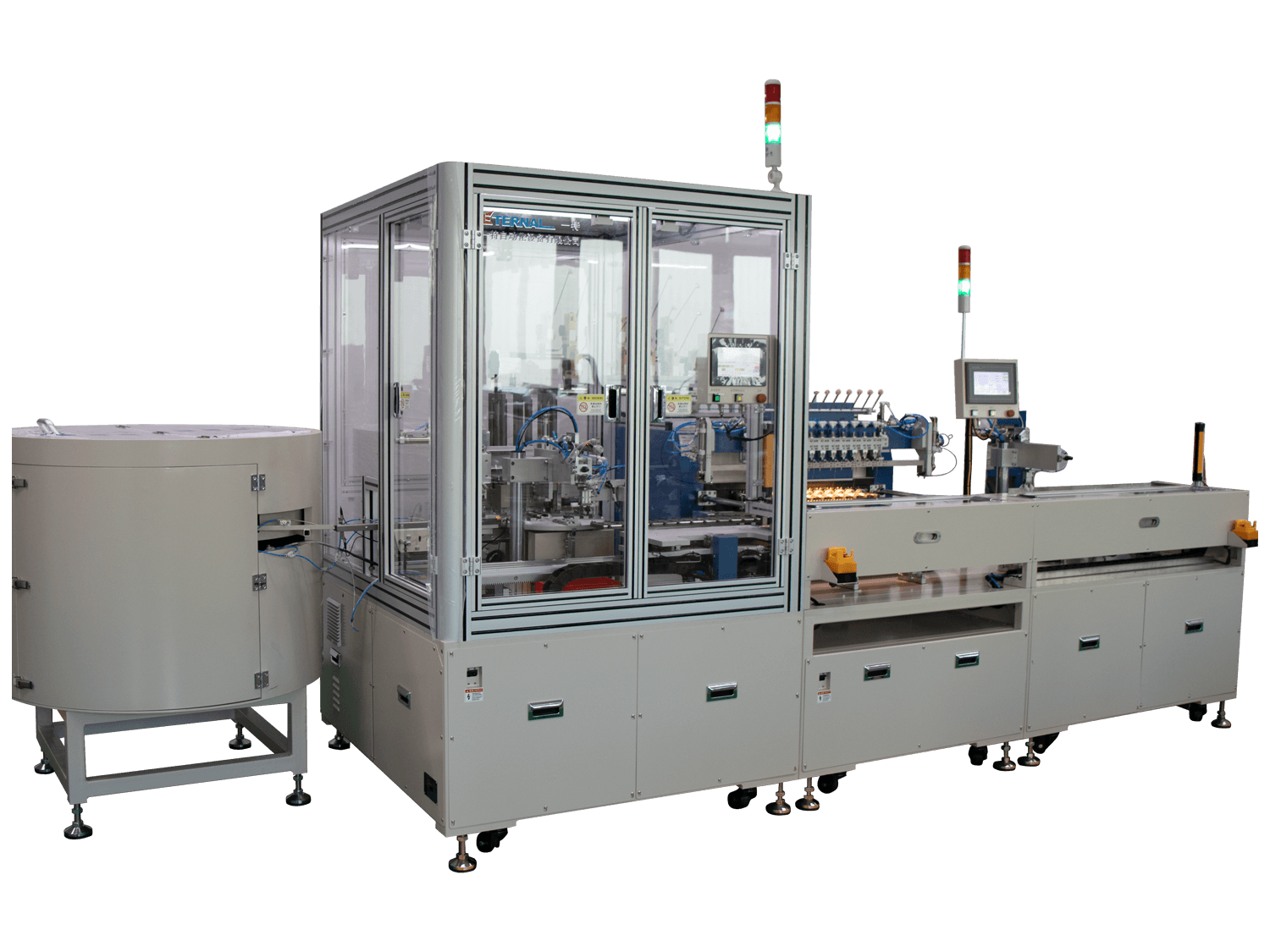
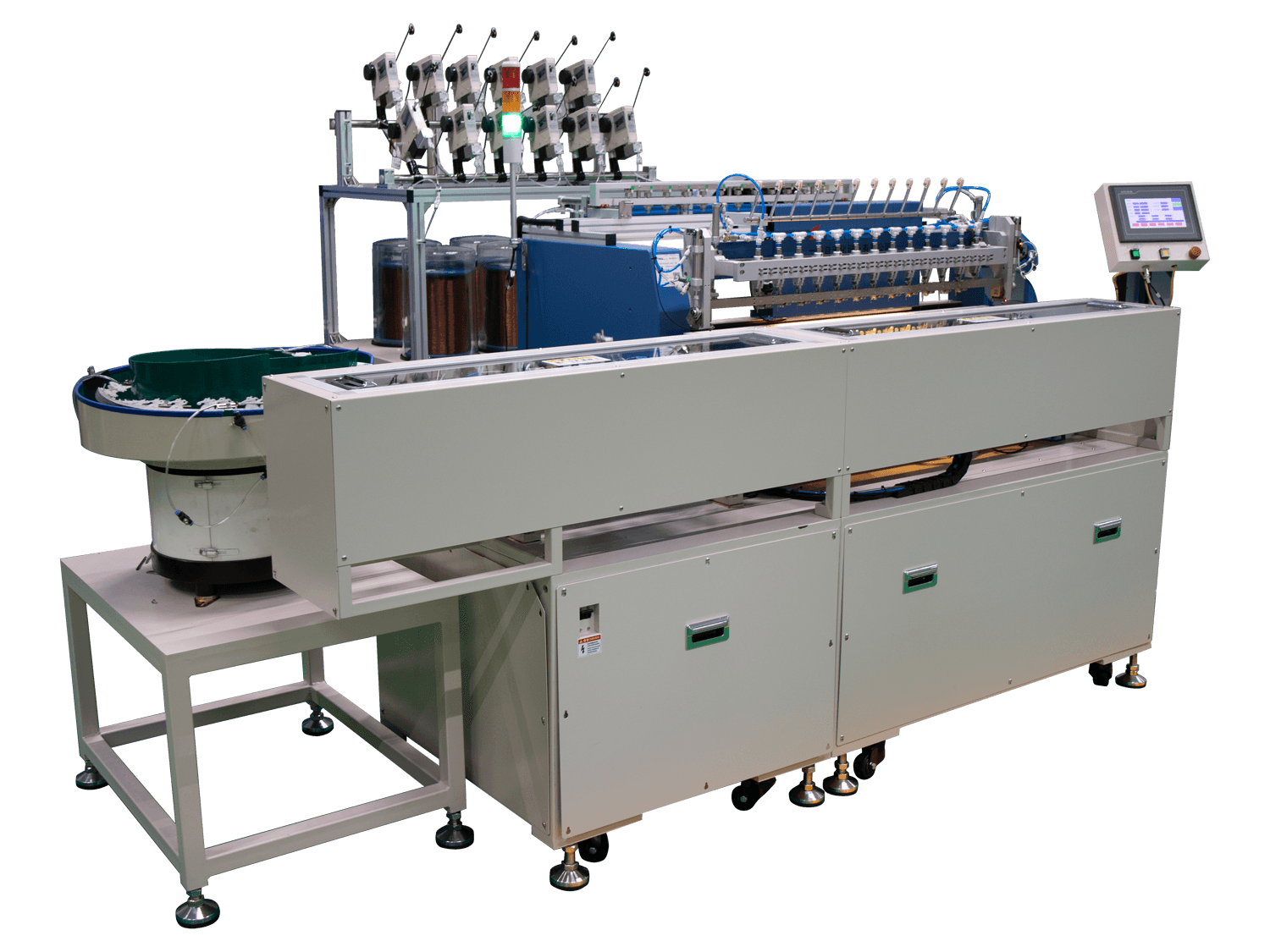
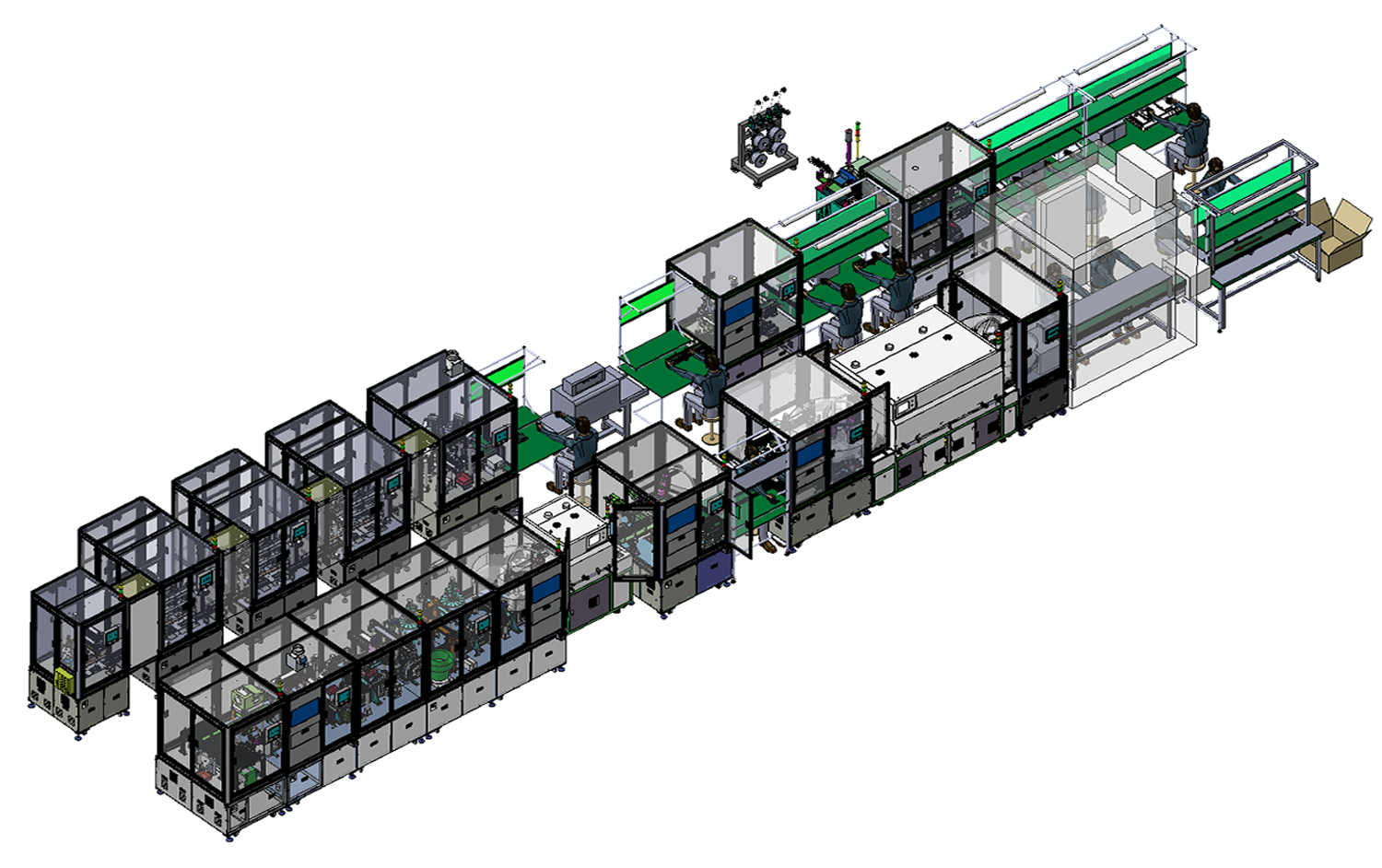
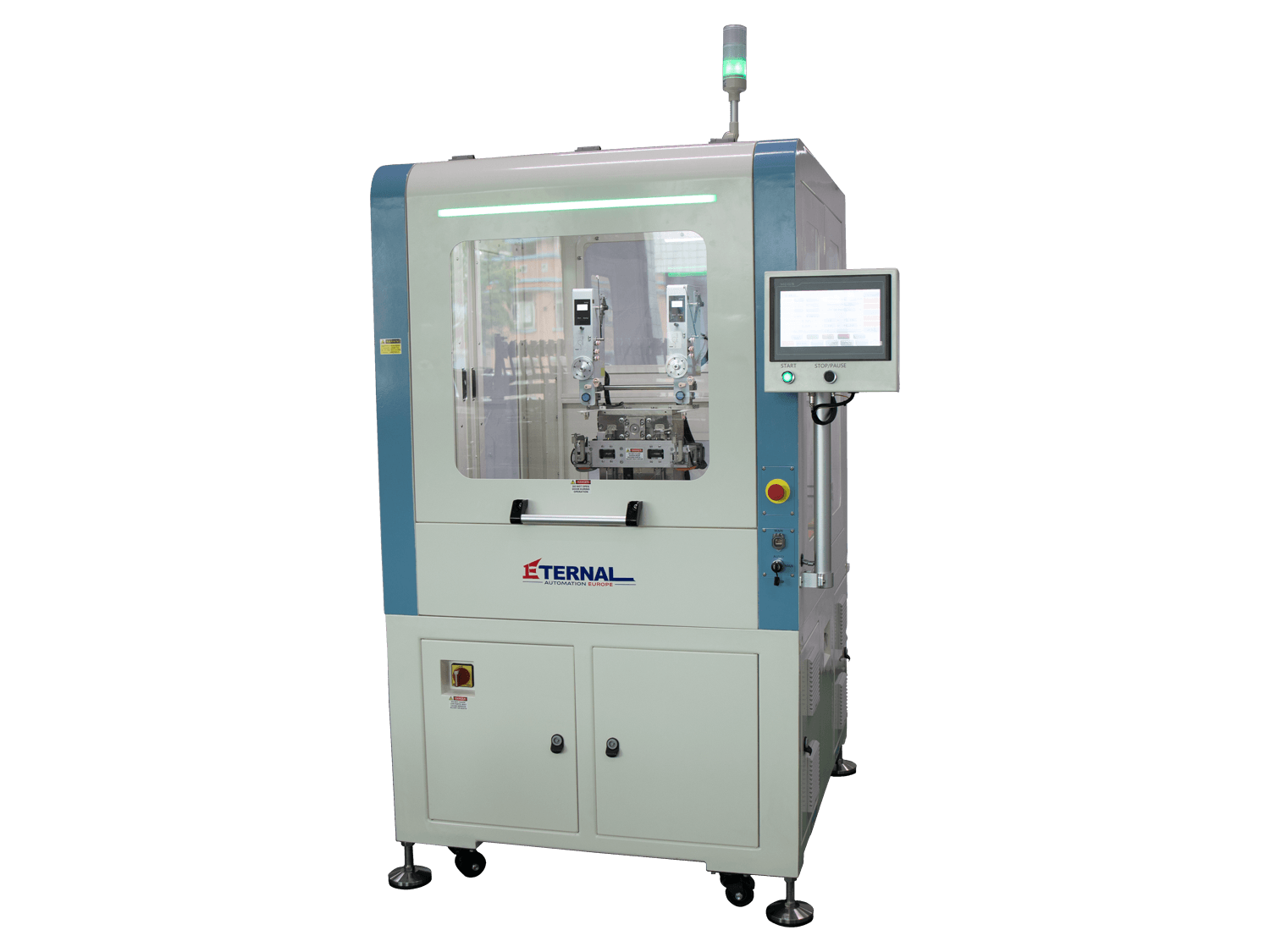
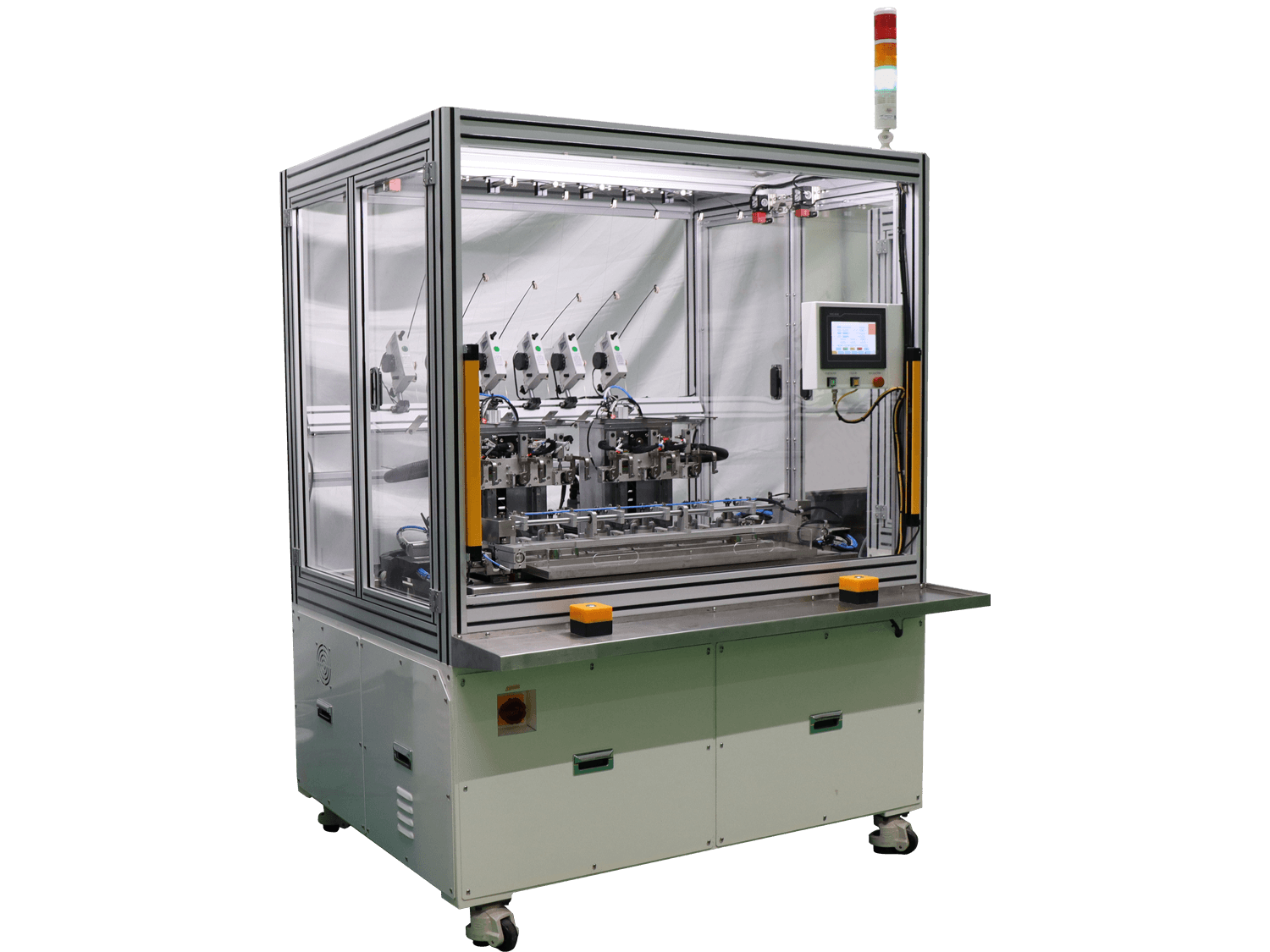
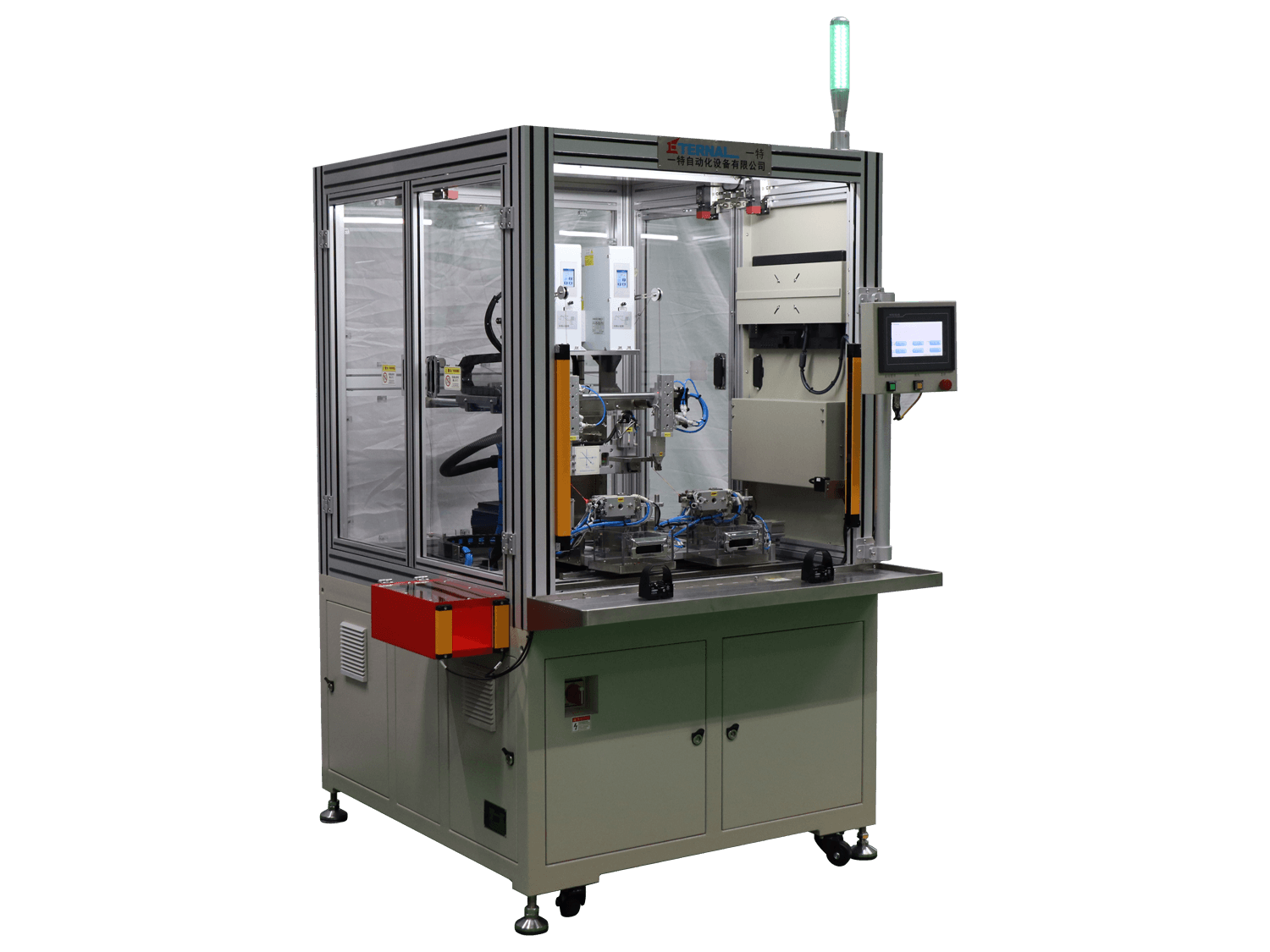
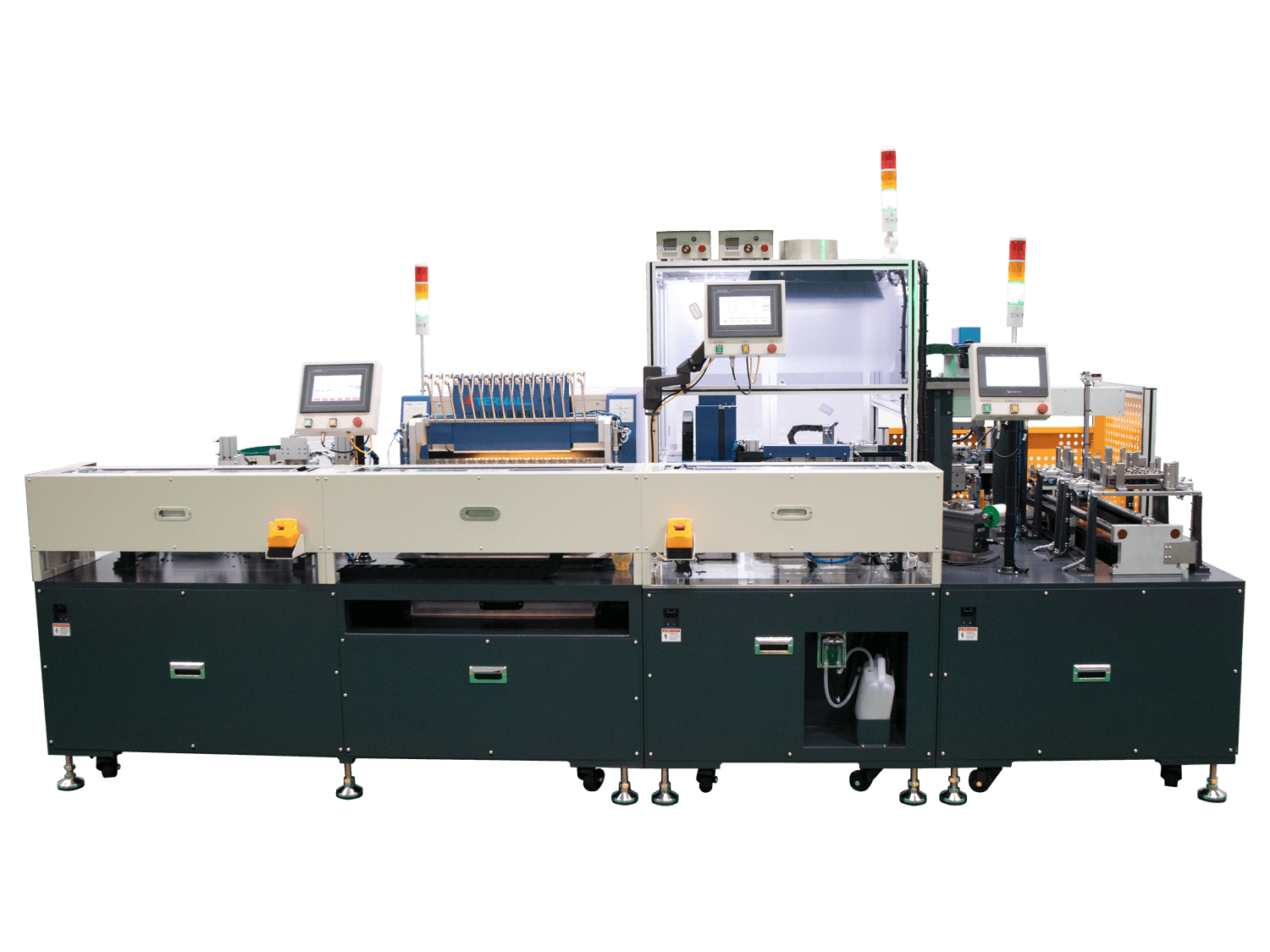
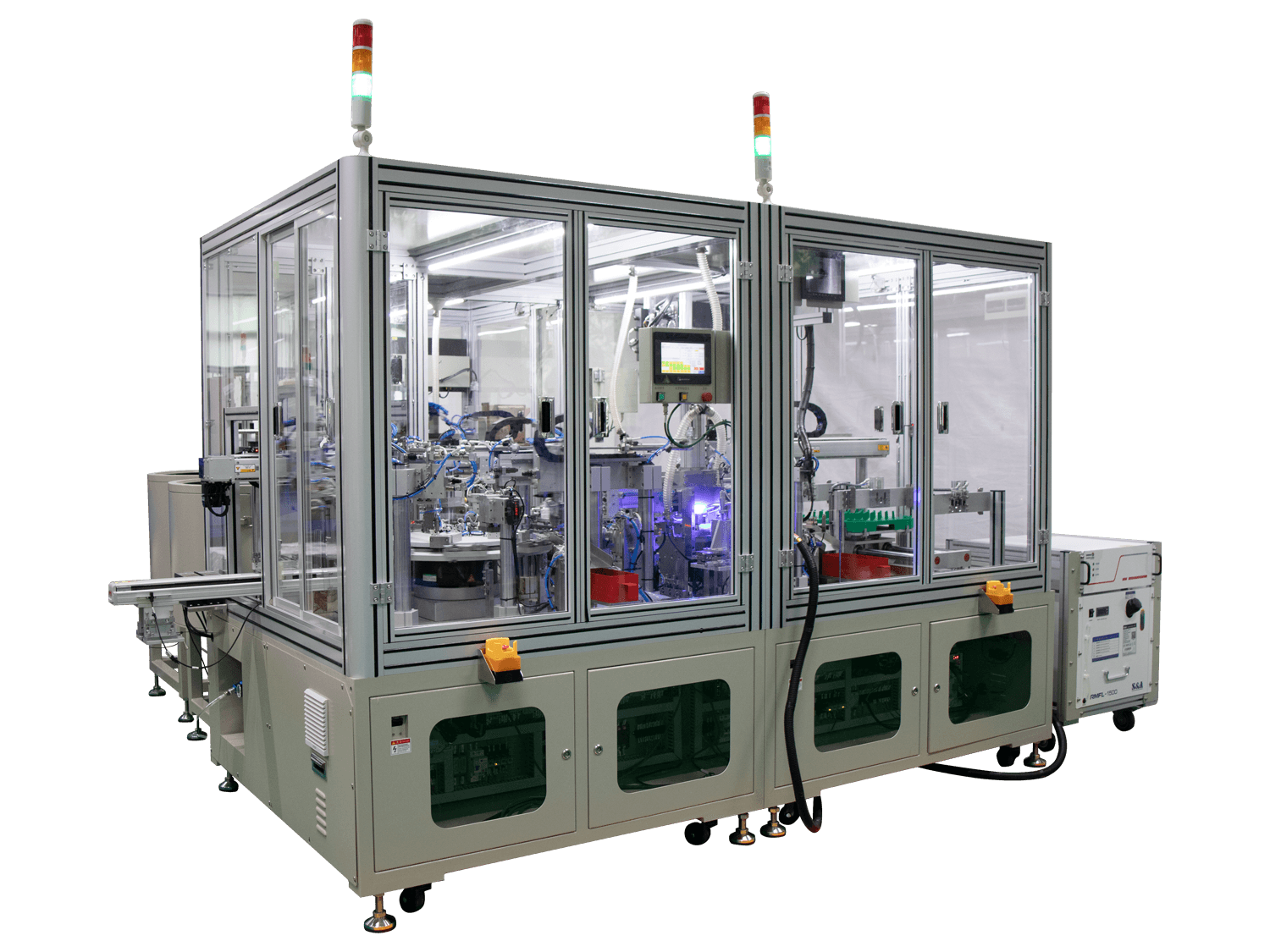
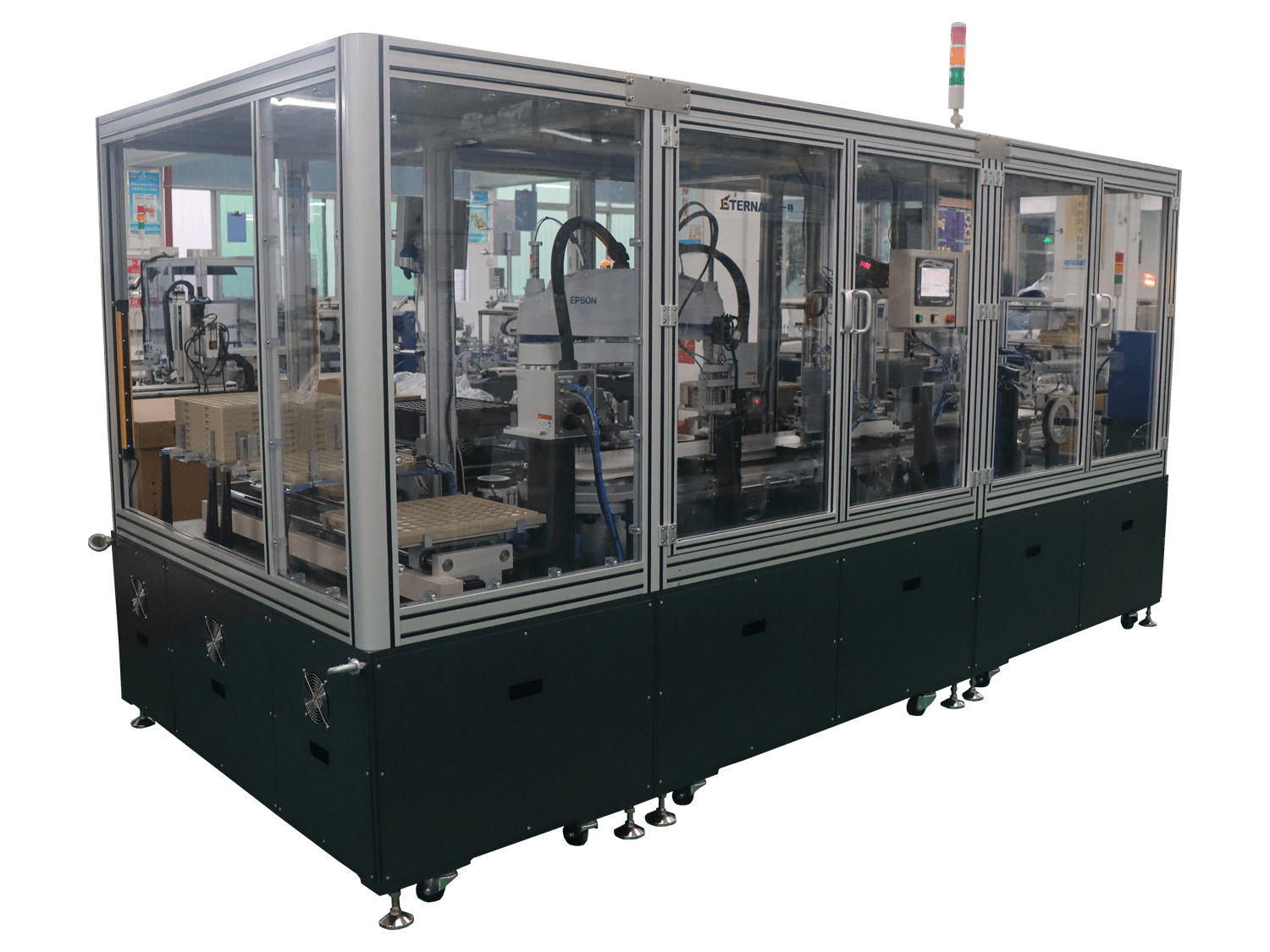
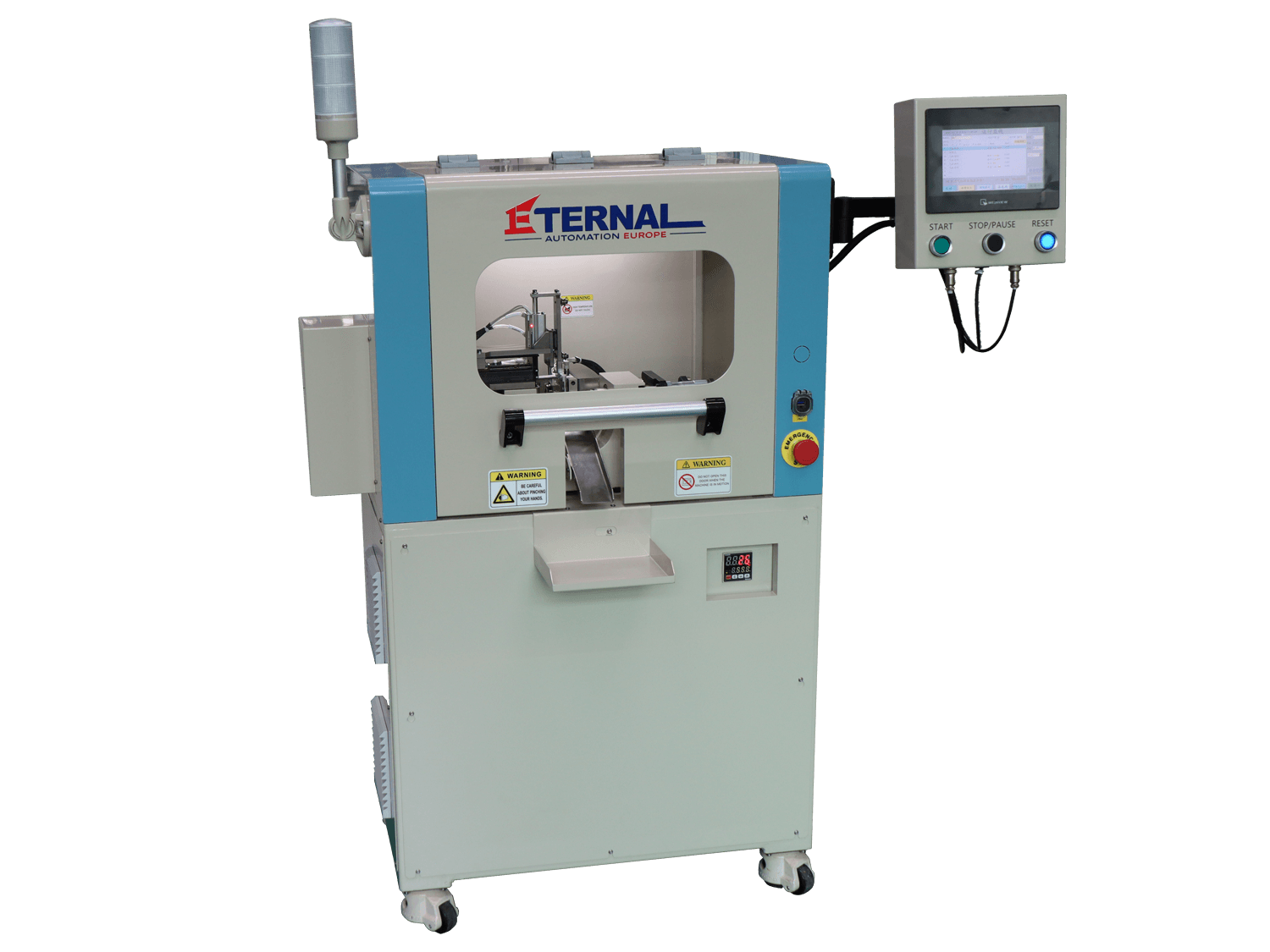
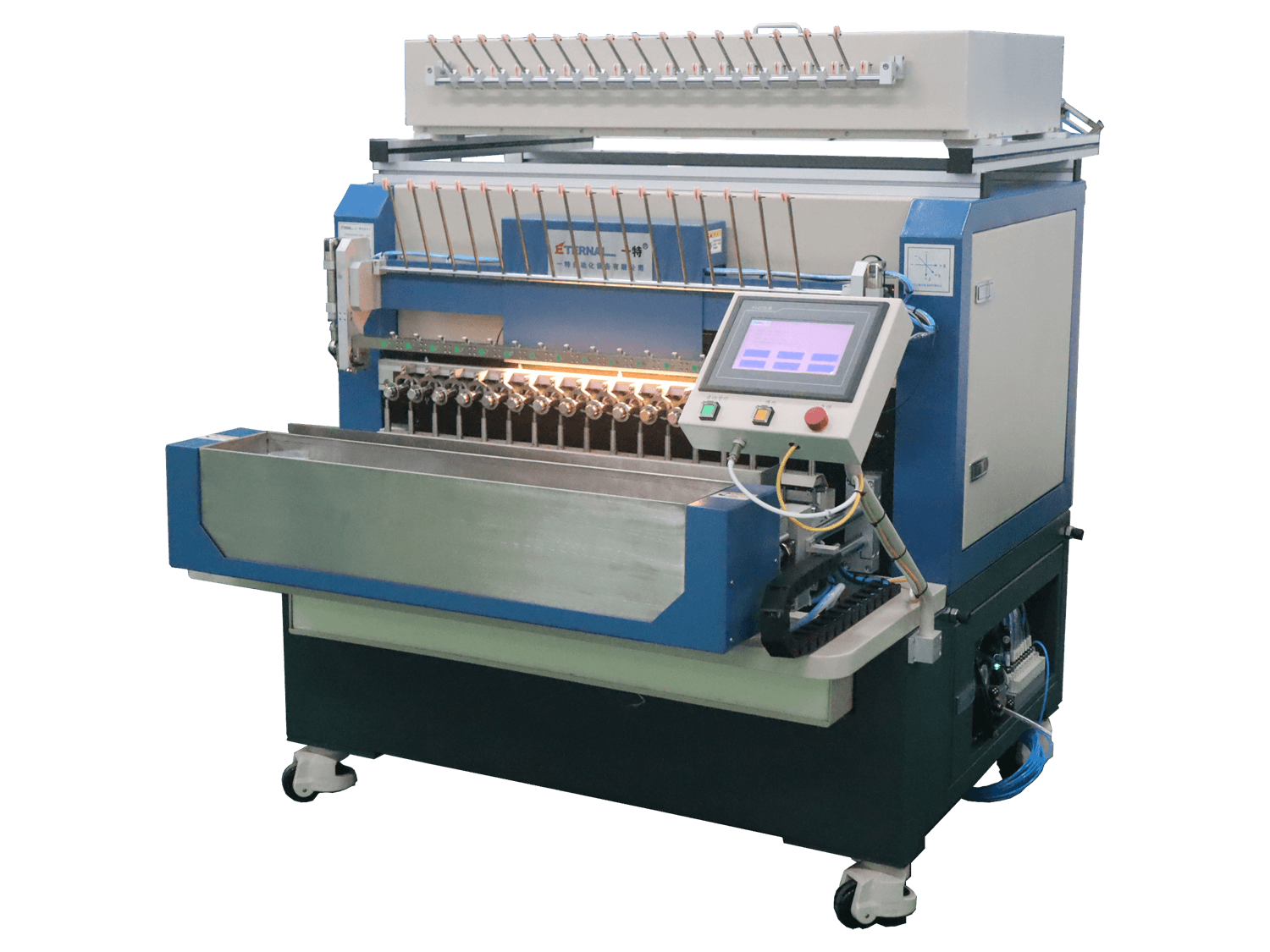
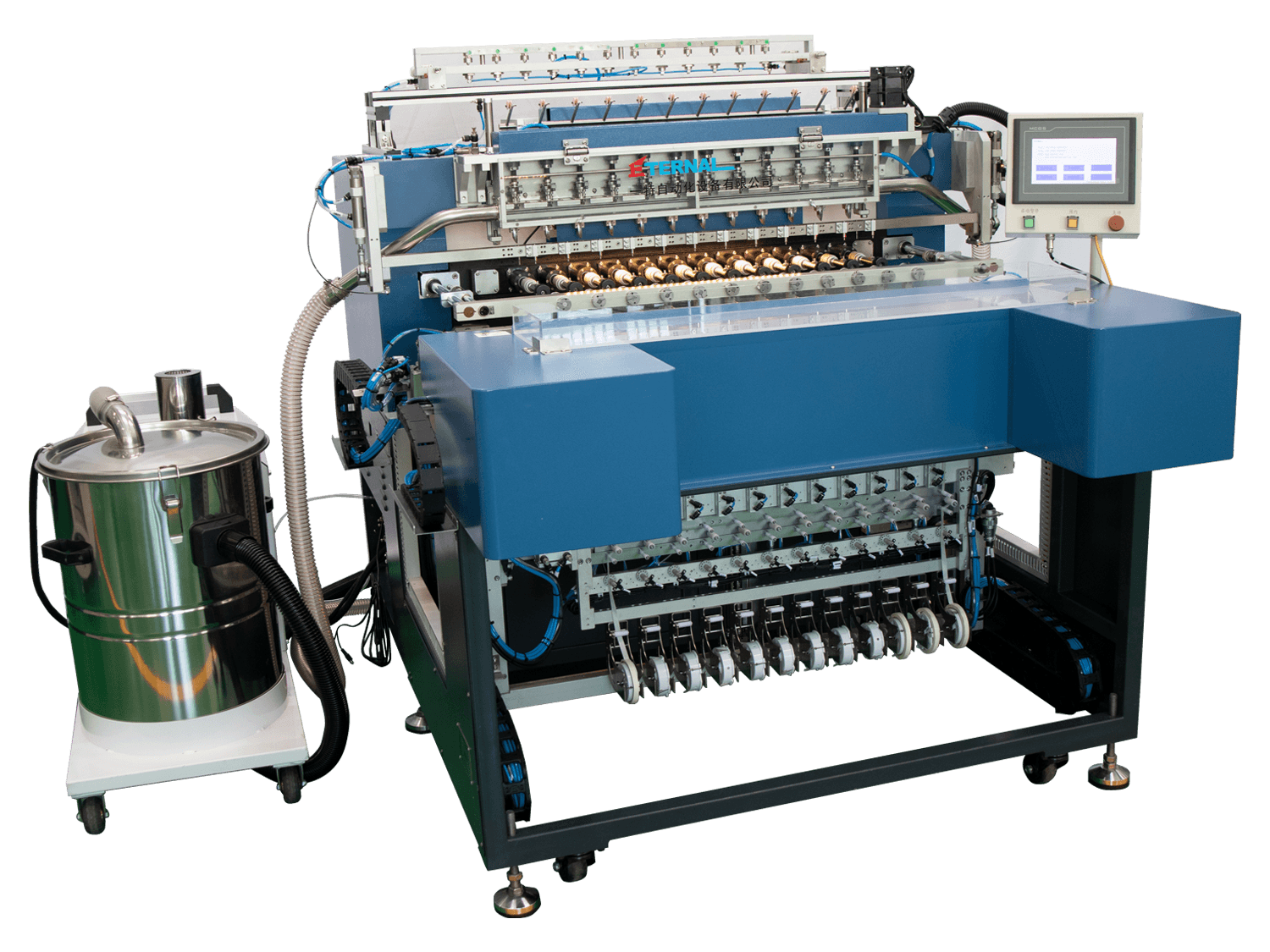
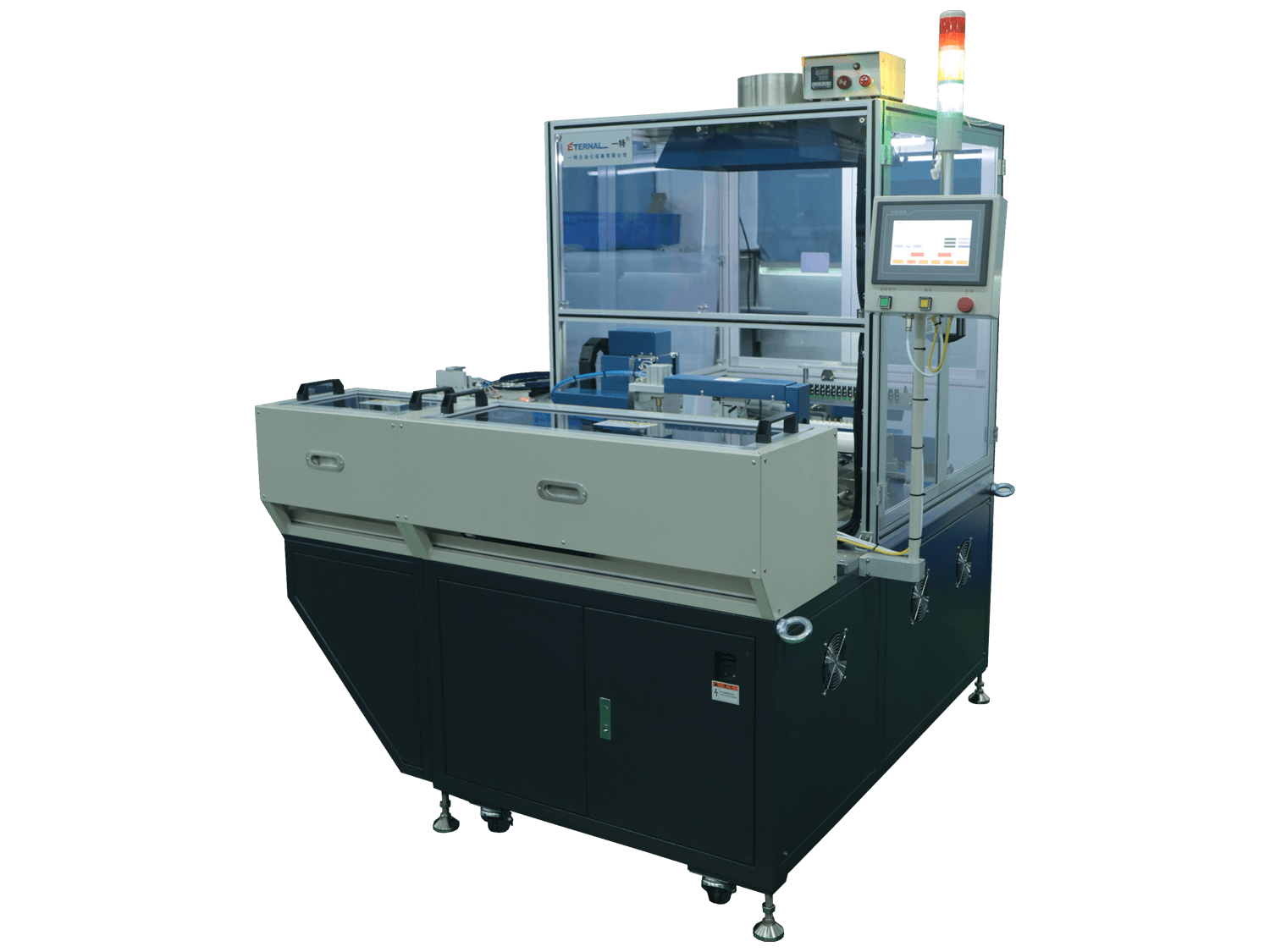
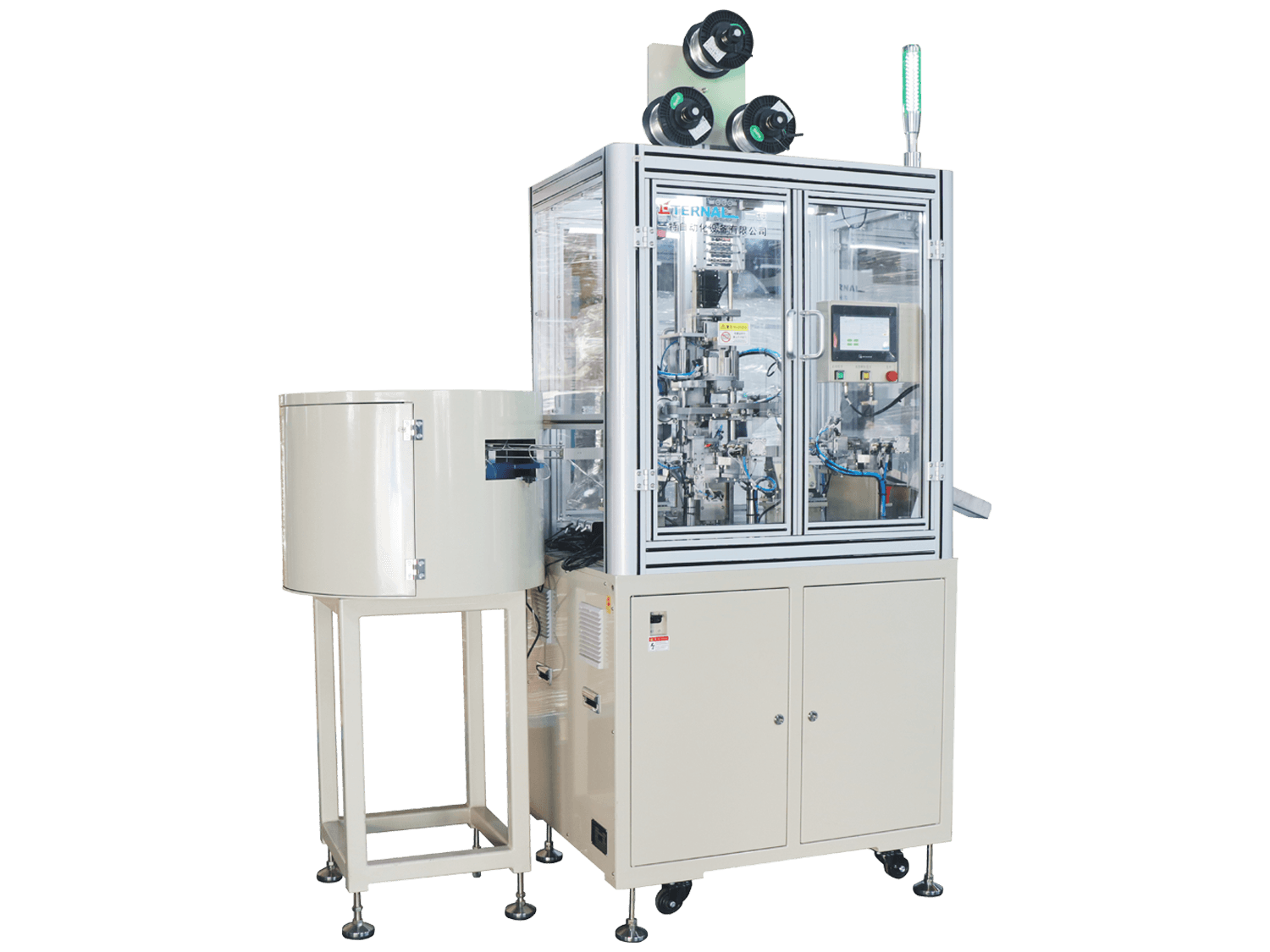
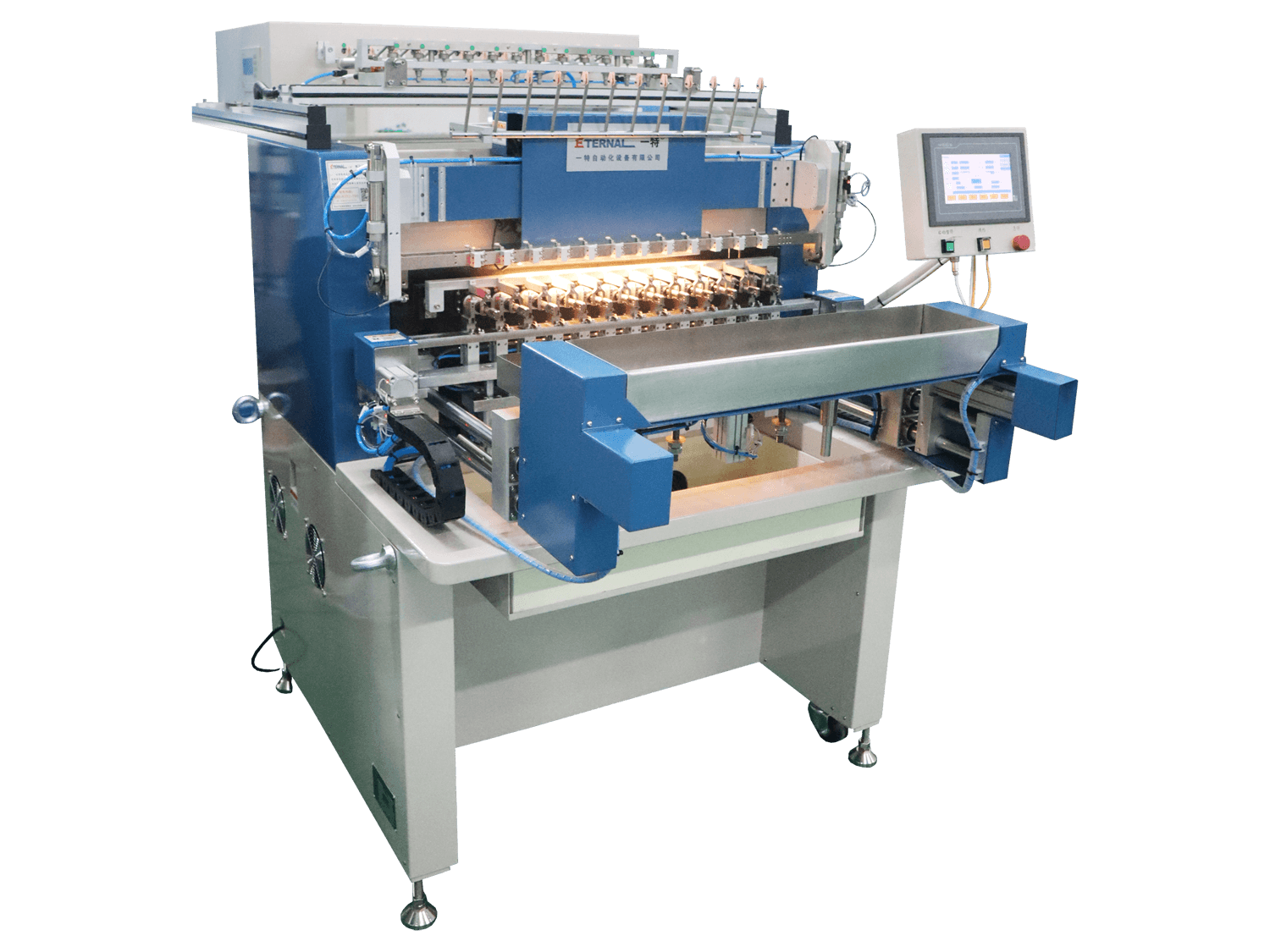
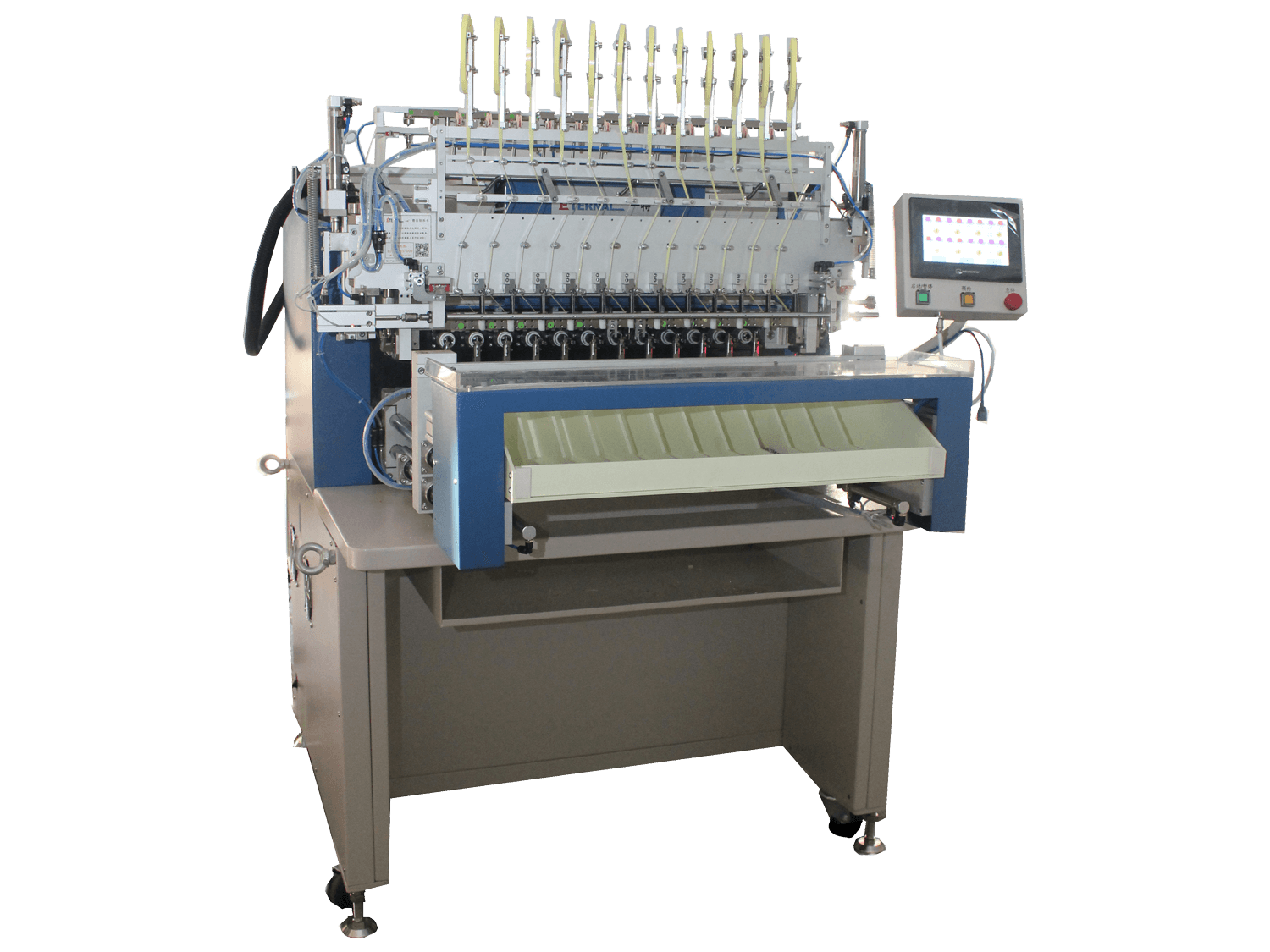
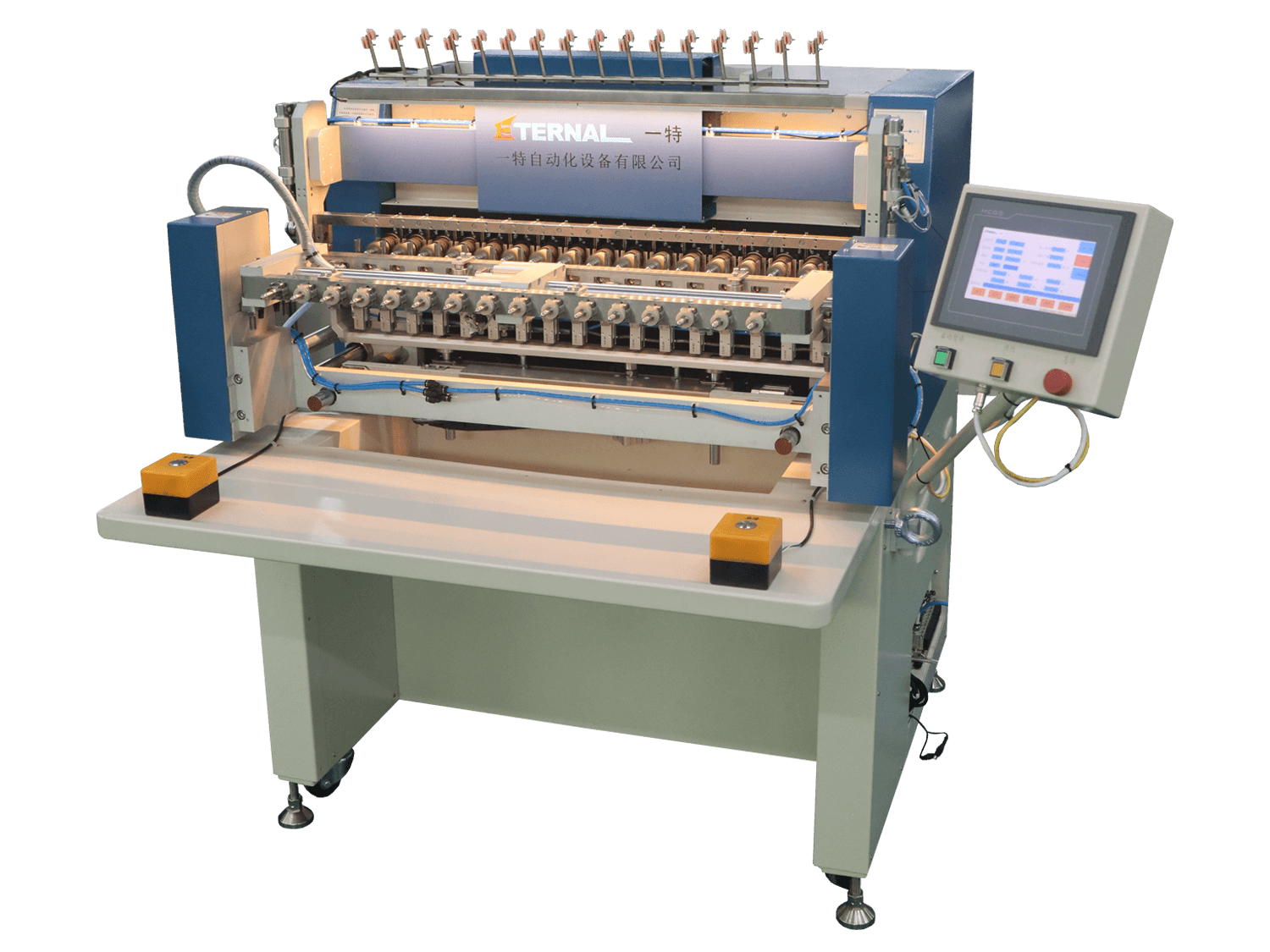
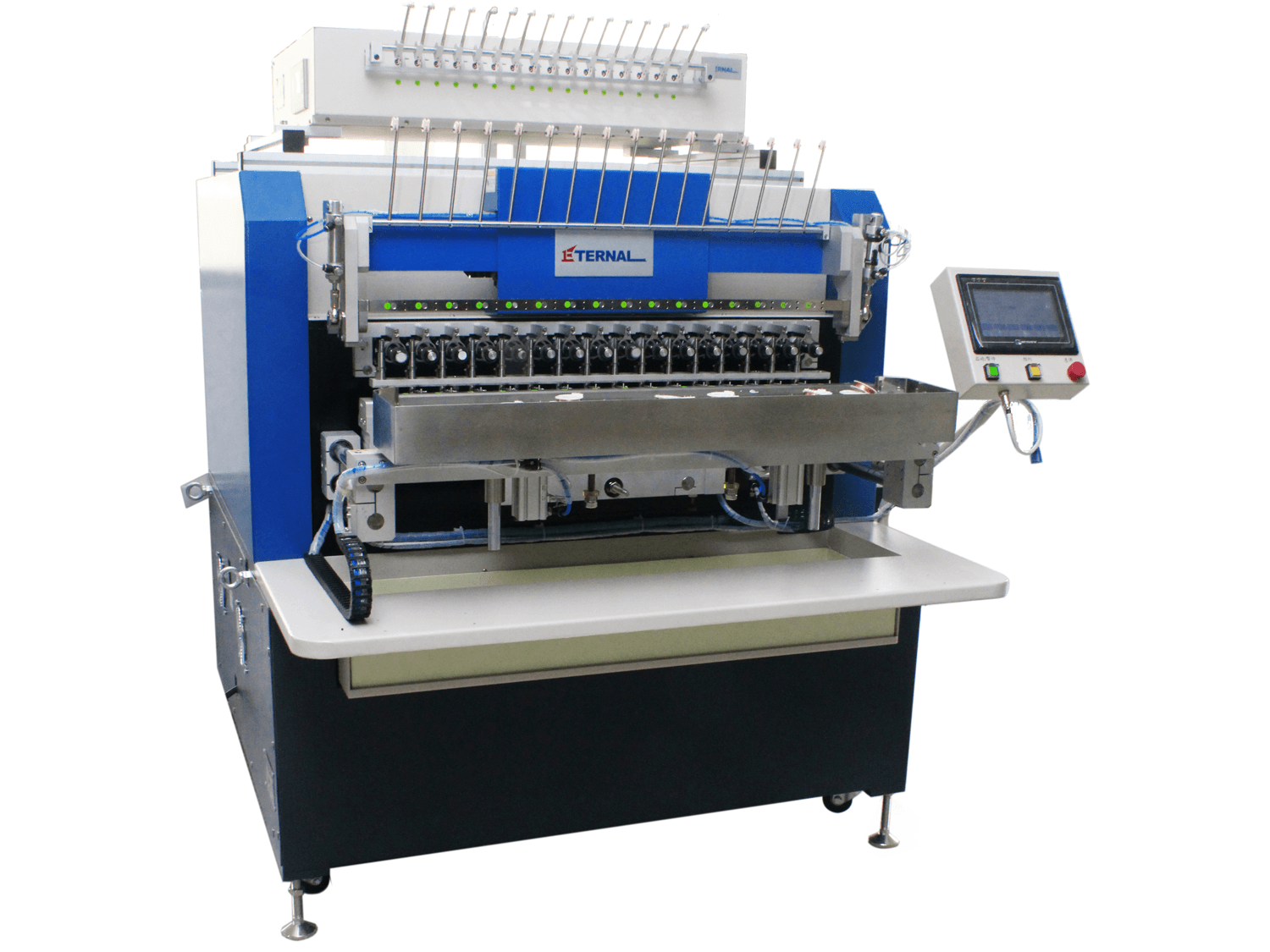
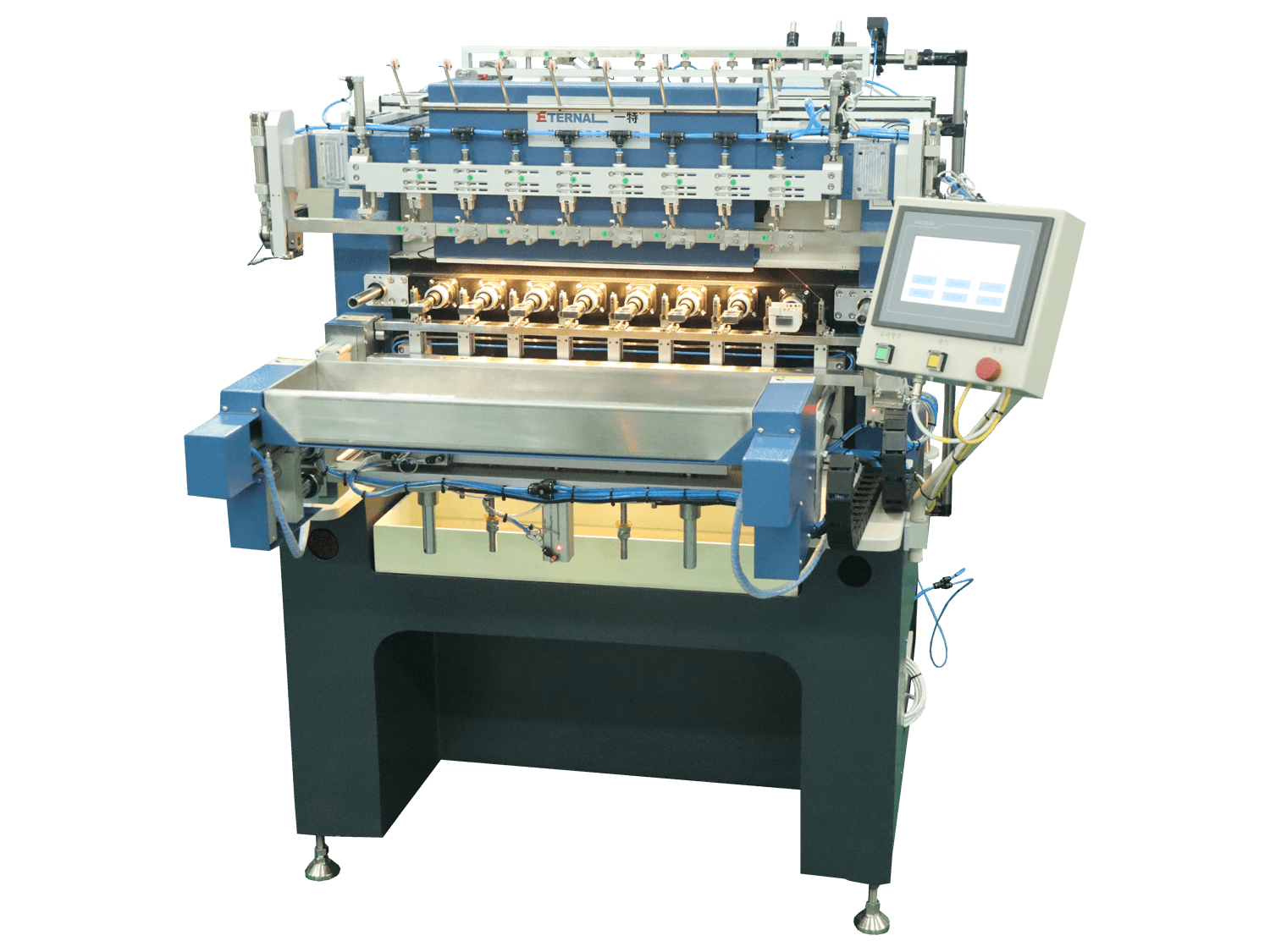
Zhongshan Eternal provides high-precision multi-axis automated drone motor stator production lines, compatible with various slot-pole configurations, to meet demands from prototyping to mass production.
I. Common Winding Types for Drone Motor Coils
Concentrated Single Round Wire Winding
One independent coil is wound on each stator tooth, with coils connected in phase sequence. Suitable for small to medium power drone motors. The line features auto indexing, per-tooth winding, wire cutting and tooth switching functions.
Multi-strand Parallel Winding (Litz Wire)
Multiple fine enameled wires are wound side by side simultaneously, effectively reducing high-frequency skin effect loss and boosting efficiency. The line is equipped with independent multi-wire tension control, parallel wire guiding dies and anti-twist mechanisms.
Distributed Winding
Coils are wound across multiple teeth, designed for high-torque large drone motors (such as agricultural plant protection drones and heavy-lift UAVs). The line supports cross-slot flyer winding actions and programmable winding trajectories.
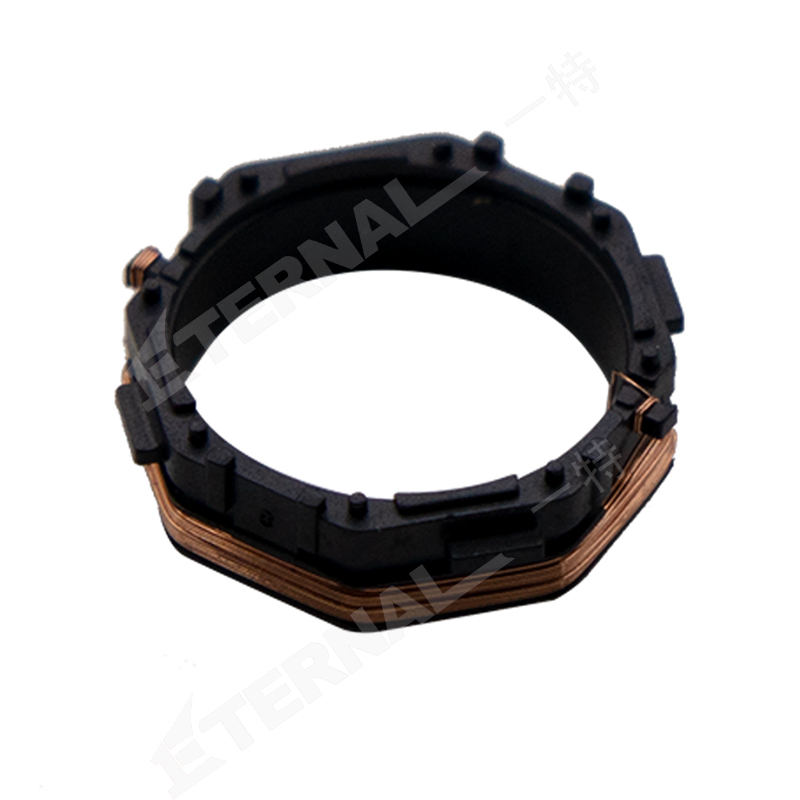
Coreless Cup Winding (Slotless Type)
With no stator teeth, coils are wound into cylindrical shapes then embedded, used for micro drone servos or ultra-light motors. The line features hollow cylindrical winding and demolding functions.
II. Advantages of Automated Drone Motor Coil Production Lines
Balanced Three-phase Resistance for Stable Flight
Automated lines precisely control turn count on each tooth, delivering excellent three-phase resistance balance, effectively reducing motor vibration and noise, and improving aircraft attitude stability.
High Slot Fill Rate for Higher Power Density
Higher slot fill rate means stronger magnetic field and lower copper loss. Yite lines adopt active tension control and forced wire arrangement technology to achieve high designed slot fill rate, far superior to manual winding.
Neat Multi-strand Parallel Winding with Zero Wire Breakage
Litz wire has multiple fine strands that easily knot or break during manual winding. Our lines are equipped with independent multi-wire tension compensators and bundled wire guides to maintain consistent tension for every strand, resulting in neat coil profile without overlapping wires.
III. Why Choose Zhongshan Eternal's Drone Motor Coil Production Line?
Eternal has supplied automated stator winding lines to numerous drone motor manufacturers. The equipment supports various slot counts, compatible with single-strand round wire and multi-strand Litz wire. It delivers stable spindle speed and precise indexing positioning.
We offer multi-station models with high daily output to meet mass production demands. The line can integrate in-line resistance testing, withstand voltage testing and visual slot fill rate inspection. For the small-batch multi-model characteristics of drone motors, winding programs can be recalled with one click for ultra-short changeover time. We provide timely nationwide technical support, free sample prototyping and process commissioning.